Skoda Design Chief Warns: AI Renders Threaten Entry-Level Jobs
Generative Tools Accelerate Workflows But Reduce Hiring Needs
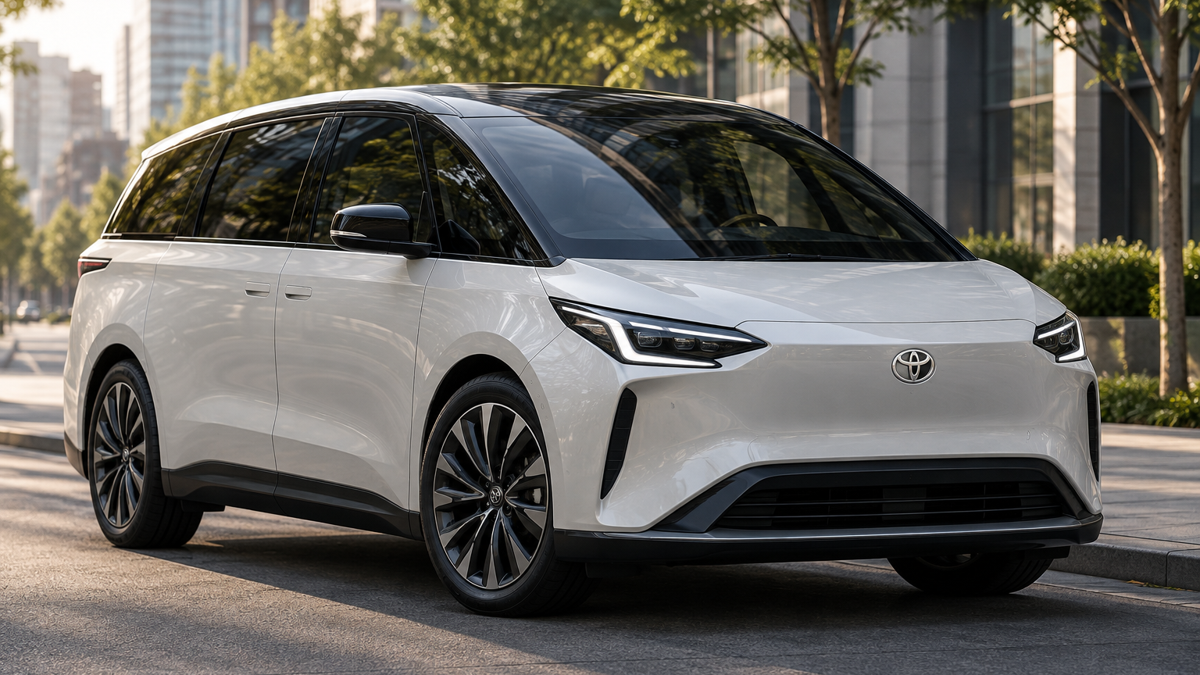
The conversation around artificial intelligence in the automotive sector has shifted from production floor efficiencies to the existential future of design careers. Karl Neuhold, Head of Exterior Design at Skoda, delivered a stark assessment during an interview with Auto Week, signaling that generative algorithms are rapidly outpacing traditional artistic workflows.
Neuhold’s primary concern is not the technology itself, but its displacement of junior talent. Modern neural networks can ingest rough hand-drawn sketches and output photorealistic renderings within seconds. These systems handle complex lighting calculations, shadow physics, and proportional accuracy automatically. Previous iterations of such software struggled with brand-specific details like logos or grille patterns, but recent updates have largely resolved those glitches.
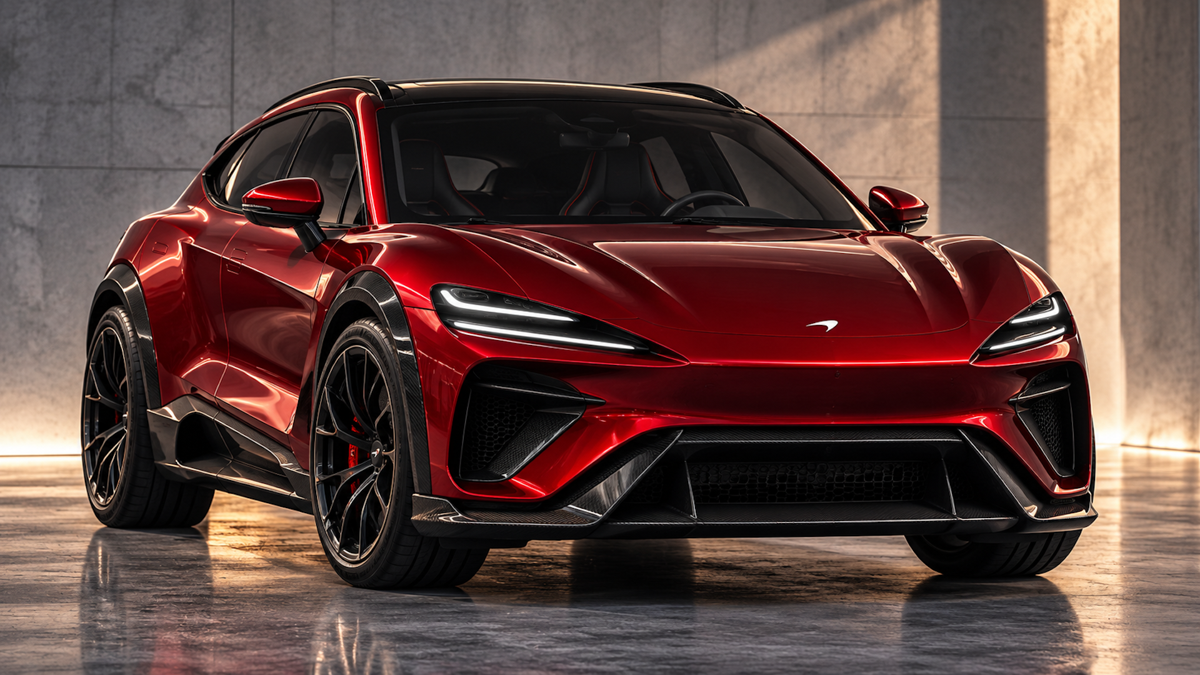


For major automakers, this represents a massive cost-saving opportunity. Studios that once employed dozens of digital artists to refine surface lines now require far fewer personnel to achieve similar visual results. The efficiency gains mean that entry-level positions—historically the training ground for senior designers—are vanishing. Young artists attempting to break into the industry face a shrinking pipeline, as firms prioritize experienced leads who can direct AI tools rather than hire novices to learn the craft manually.
This disruption contrasts sharply with broader manufacturing trends where AI is viewed as a supportive tool. Audi utilizes algorithms for factory floor optimization; Nissan deploys intelligent robotics to accelerate assembly speed; Ford leverages data modeling for engine longevity. In those sectors, automation complements human oversight. In styling departments, however, the technology threatens to replace the human element entirely. The risk, according to industry observers, is a homogenization of aesthetics. If algorithms dictate design direction based on statistical probability and existing datasets, the unique, often irrational creative leaps that define iconic vehicles—such as the original Ford Mustang’s aggressive stance—may be lost to safe, mathematically optimized averages.

While software excels at execution, it lacks the contextual understanding of mechanical engineering constraints or emotional resonance that veteran designers possess. Computers cannot intuitively grasp why a specific curve feels “right” beyond what previous successful models suggest. As studios integrate these tools deeper into their pipelines, the balance between algorithmic efficiency and human intuition remains unresolved. The immediate consequence, however, is clear: the door to automotive design is closing for new entrants.