Hyundai Faces Class Action Over Driver Monitoring System Glitches
Plaintiffs allege system errors led to unsafe driving conditions and loss of cruise control features.
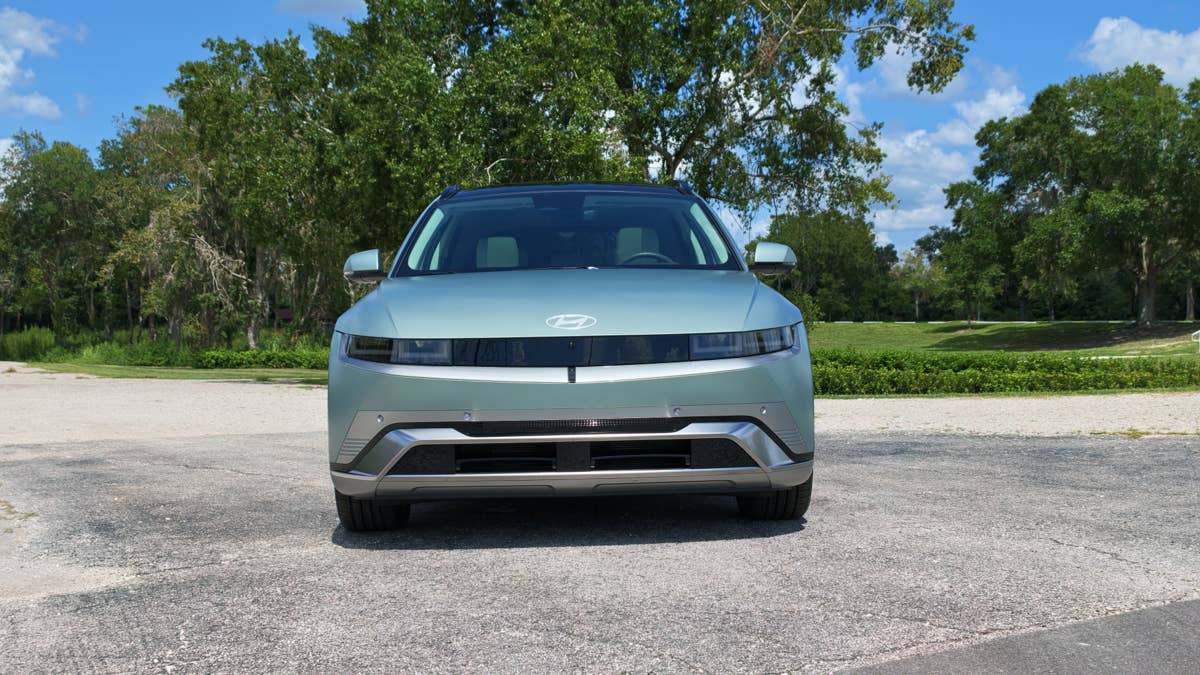
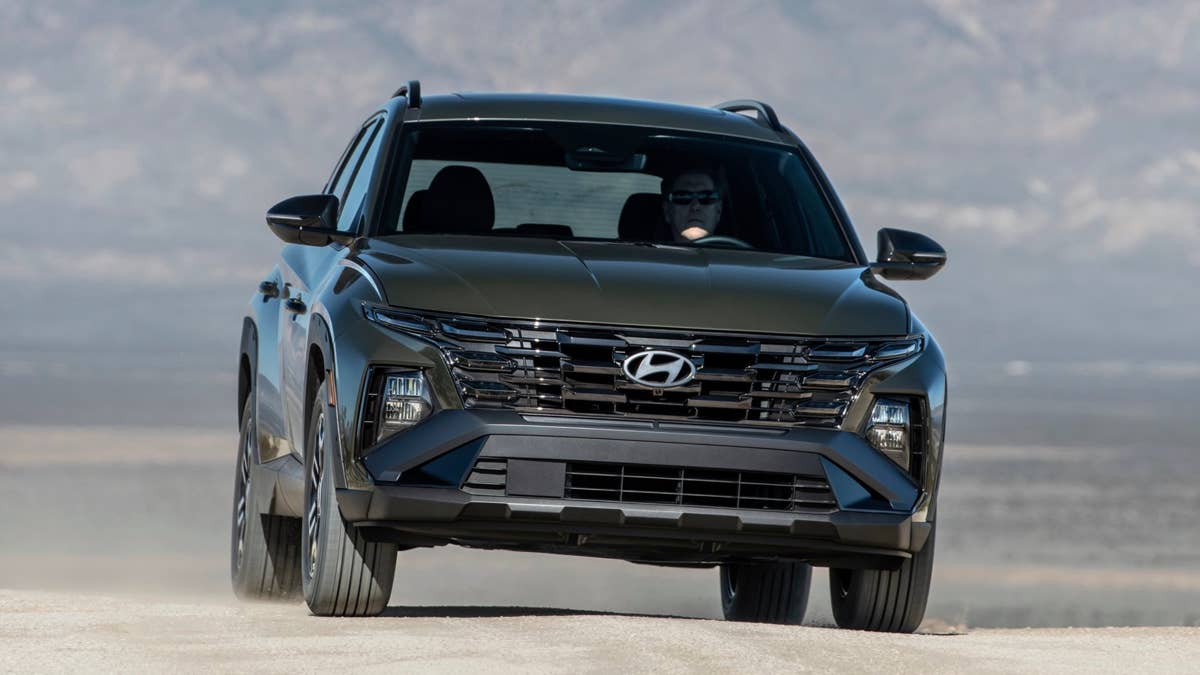
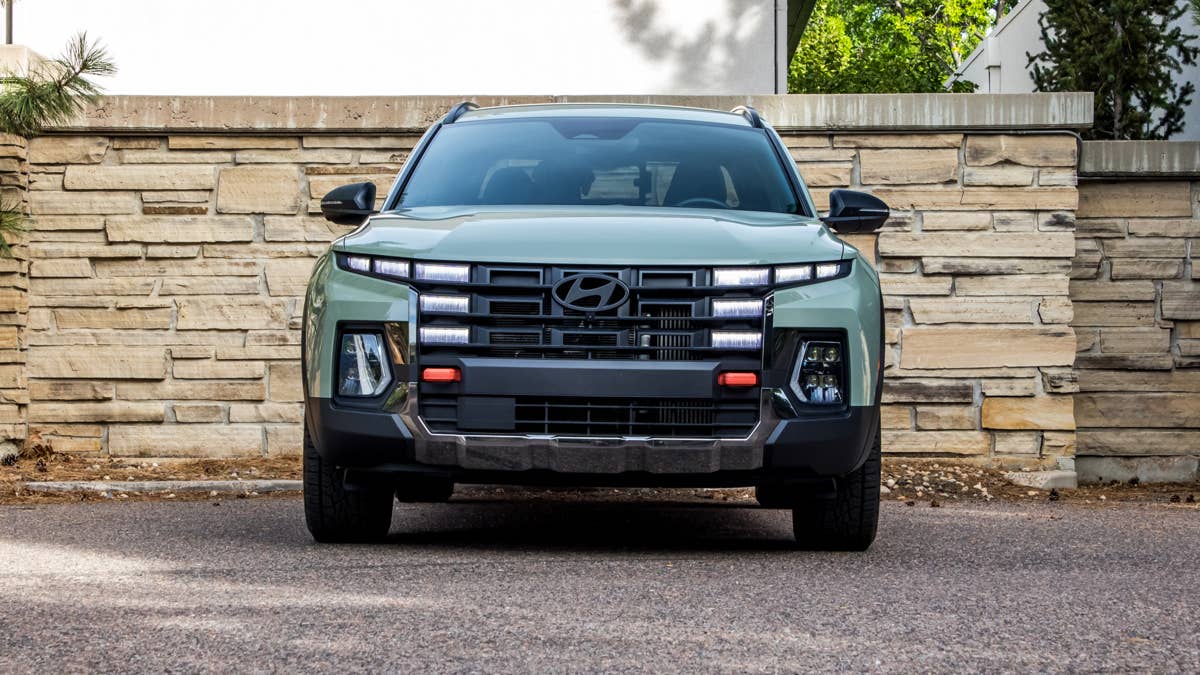
Hyundai Motor America is facing a class-action lawsuit alleging that its Direct Driver Monitoring System (DDMS) malfunctions in ways that compromise vehicle safety and convenience. The complaint, filed via ClassAction.org, targets specific model years from 2024 to 2026, including the Santa Fe, Ioniq 5, Tucson, Santa Cruz, and Palisade. Plaintiffs argue the system frequently misidentifies attentive drivers as distracted or unresponsive, triggering unwanted interventions.
The core of the dispute lies in the DDMS’s reliance on an interior-facing camera to track eye movement and head position. According to the filing, the technology struggles with common real-world variables such as heavy makeup, hats, extreme seating adjustments, and sunlight reflecting off sunglasses. These misreadings reportedly cause false warnings, sudden braking events, and the deactivation of cruise control features, creating hazards rather than preventing them.


Legal representatives for the plaintiffs claim Hyundai had prior knowledge of these defects. They point to a technical service bulletin issued in January 2025, which instructed dealerships to manage customer expectations by suggesting adjustments to eyewear or seating positions instead of offering hardware repairs or software patches. This approach, the lawsuit contends, demonstrates the automaker’s failure to address a known design flaw affecting thousands of vehicles.
The alleged issues extend beyond mere annoyance. Customers assert they would not have purchased or leased affected models at current prices had they known about the DDMS limitations. The case highlights a growing tension in the automotive industry between mandatory safety tech adoption and consumer reliability. As regulatory bodies like the Insurance Institute for Highway Safety (IIHS) incorporate driver-monitoring capabilities into safety ratings, manufacturers are under pressure to deliver functional systems that do not degrade the driving experience.
This legal challenge arrives amidst broader scrutiny of Hyundai’s advanced driver assistance systems. Earlier this year, the company recalled over 421,000 vehicles due to a separate defect in the Forward Collision-Avoidance Assist (FCA) system, which used exterior cameras to detect obstacles. While distinct from the internal DDMS controversy, both incidents underscore the complexities of integrating automated monitoring technologies into mass-produced vehicles without introducing new risks.