Billion-Dollar Exits and High-Profile Closures Reveal the True Cost of Celebrity Beauty Brands
While Rhode and Rare Beauty secure massive valuations, the 2025 and 2026 closures of GXVE and Flower Beauty expose the operational limits of fame-driven retail.
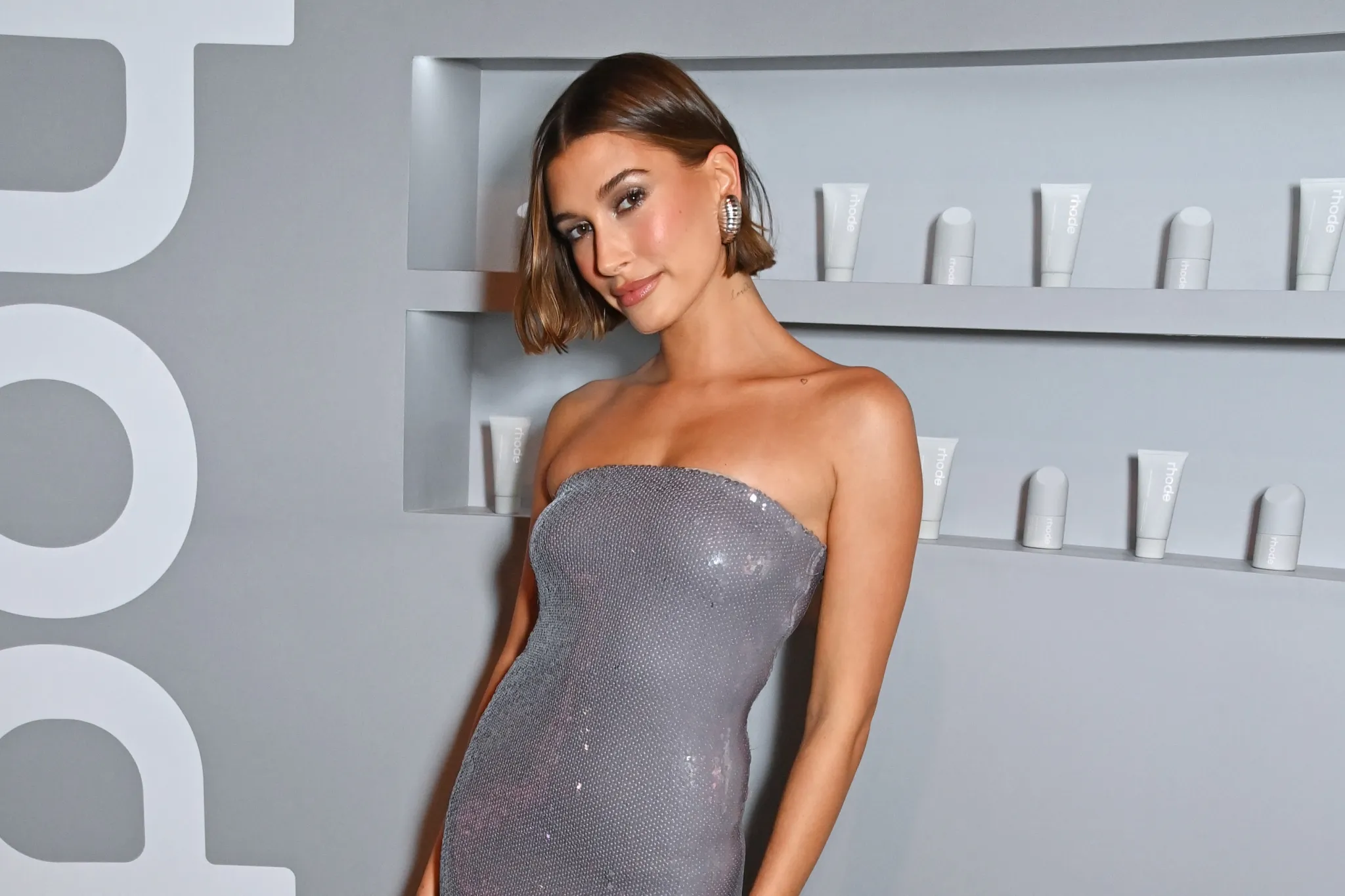
E.l.f. Beauty’s agreement to acquire Rhode for up to $1 billion in 2025 and Rare Beauty’s estimated $2.7 billion valuation have redrawn the financial boundaries of the celebrity cosmetics market. The deals confirm that personal audiences, when converted into scalable retail operations, now rival legacy conglomerates in enterprise value.
Yet the same year those valuations made headlines, the industry recorded sharp casualties. Gwen Stefani’s GXVE Beauty shut down in early 2026, and Drew Barrymore’s Flower Beauty ceased operations in September 2025. The simultaneous presence of billion-dollar exits and total brand liquidations exposes a widening gap between initial social media hype and long-term retail viability.
The divergence is quantifiable. Traackr’s Creator Advantage 2026 report found that celebrity-founded companies—specifically Kylie Cosmetics, Rare Beauty, Rhode, R.E.M. Beauty and Huda Beauty—occupied five of the top 10 spots for creator marketing performance in 2025. These brands bypass the customer-acquisition costs that typically cripple independent beauty startups by leveraging founders who already command millions of direct followers.


Fame lowers the barrier to entry, but it does not guarantee shelf life. Legacy competitors such as Estée Lauder and L’Oréal rely on decades of clinical research, global distribution networks, and department store relationships. Celebrity entrants must match that operational infrastructure while sustaining digital momentum—a balance that brands like Flower Beauty ultimately failed to maintain as retail partnerships contracted.
The mechanics of digital discovery heavily favor cosmetics over other consumer categories. Skincare and color cosmetics are inherently visual, allowing short-form tutorials and before-and-after demonstrations to serve as immediate proof of concept. This structural advantage propelled the beauty sector to the highest VIT score—an index measuring creator volume, frequency, content performance and average audience size—of any industry analyzed by Traackr, with top brands averaging 687,000.
Creator volume in the sector surged 66% year over year to 22,100 participants. However, the average audience size per creator dropped 30%, and content performance slipped 1%. The data indicates that flooding platforms with promotional material yields diminishing returns. Purchasing decisions are increasingly driven by niche creators with highly engaged followings rather than broad influencer networks.
Platform architecture dictates which brands survive this shift. TikTok remains the only major network delivering consistent year-over-year growth across all measured sectors because its algorithm prioritizes content discovery over follower counts. That mechanism directly fuels commerce: NielsenIQ data shows TikTok Shop has become the fourth-largest health and beauty e-commerce retailer in the U.S., surpassing $4.4 billion in sales within the category. Instagram experienced rising creator participation alongside declining engagement and views, signaling that legacy social strategies no longer convert attention into revenue at the same rate.
Operational execution separates the survivors from the closures. Ashley Villa, founder of talent agency Rare Global, told Forbes that the founders who move the needle are deeply involved in every step of the process, from sourcing to marketing, rather than serving strictly promotional roles. Selena Gomez’s active positioning of Rare Beauty around mental health awareness, for example, established a brand identity distinct from her entertainment career, creating a retention mechanism that outlasts viral trends.
As of October 2026, the consolidation trend signaled by the E.l.f. and Rhode transaction continues to reshape the sector. Independent celebrity labels face mounting pressure to either achieve the operational scale required for standalone survival or position themselves as acquisition targets for publicly traded beauty conglomerates seeking immediate access to Gen Z consumer bases.