

Apple’s iPhone 18 Pro Camera Signs Photos Before iOS Can Touch Them
Apple embeds cryptographic photo verification in the iPhone 18 Pro camera sensor
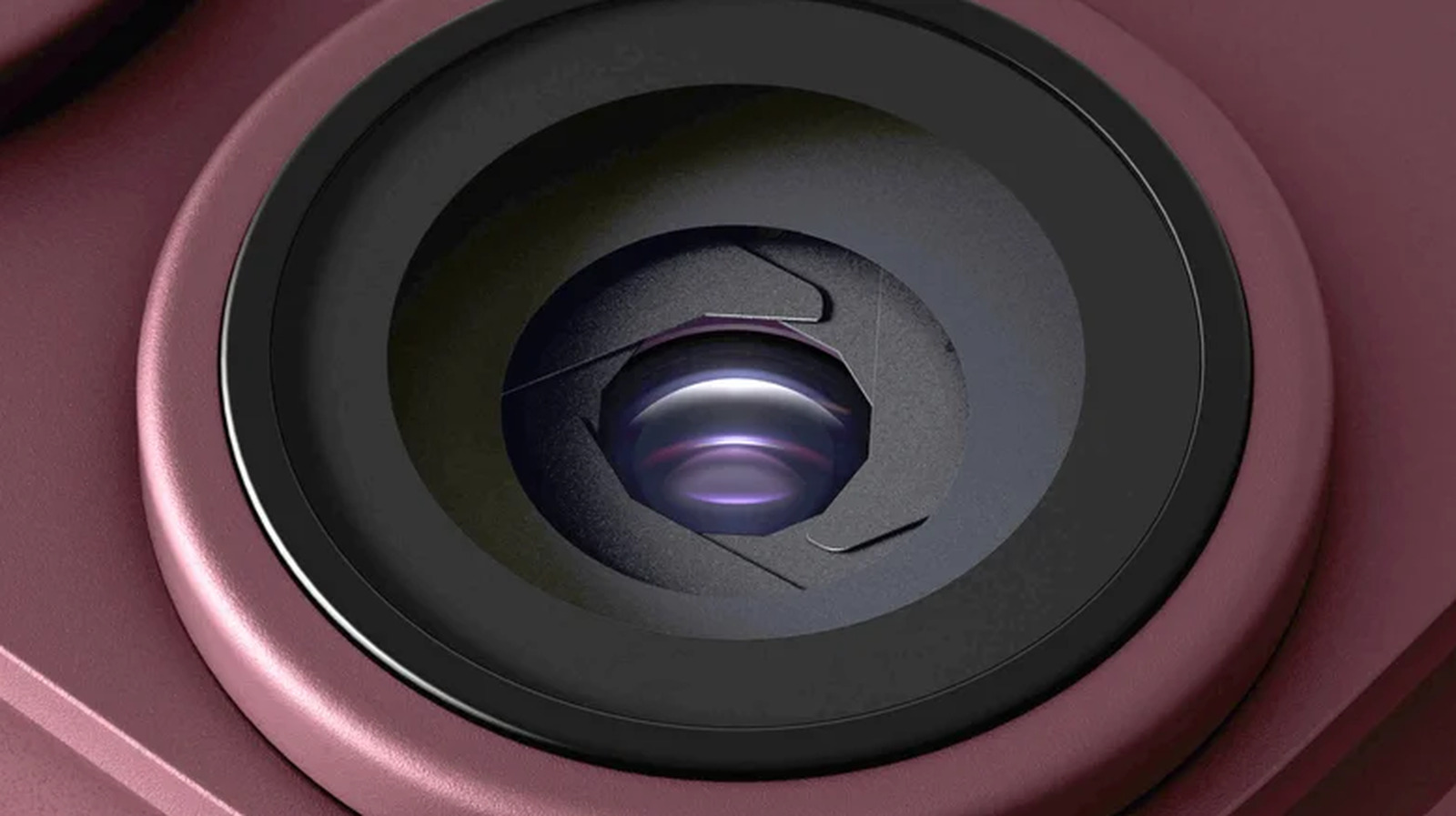
CUPERTINO, Calif. — Apple has implemented a hardware-level cryptographic verification system within the iPhone 18 Pro and iPhone 18 Pro Max main cameras. Named Reference Image mode, the system is designed to authenticate digital photographs directly at the image sensor level before data reaches the operating system.
Reference Mode is an opt-in feature restricted to the main camera of the iPhone 18 Pro and iPhone 18 Pro Max, and it is disabled by default. Users activate it through the system settings menu by navigating to Settings, selecting Camera, tapping Reference Image, and choosing Add Reference Mode. After configuration, users swipe to select Reference Mode within the native Camera application interface.
The system embeds a private cryptographic key inside the camera sensor during manufacturing. When the mode is activated, the hardware signs raw pixel data at the moment light is converted into digital image information, creating a digital seal designed to protect against image tampering, memory injection, and firmware modifications prior to cloud authentication.

Apple’s implementation builds on the cryptographic architecture first introduced with its Secure Enclave processor on the A7 chip in 2013. That architecture established silicon-isolated key storage for hardware authentication, while Reference Image mode places the private cryptographic key directly inside the image sensor silicon.
Captured image evidence is packaged using the Digital Negative (DNG) format, an open raw image specification originally developed by Adobe in 2004. The resulting file retains the signed raw sensor data alongside the finalized photo generated by the camera. Within Apple’s Photos application, users can view and compare the uncompressed reference file alongside the developed image.
To prevent attackers from harvesting genuine camera sensors and installing them onto third-party hardware to sign fake or synthetic media, the system relies on hardware serialization. During factory production, Apple logs the specific pairing between each CMOS image sensor and the phone’s internal security processor, certifying the sensor’s public key so that Apple’s cloud infrastructure can verify subsequent signatures.
The mode also enforces a firmware lock on the camera sensor during capture. This prevents low-level software modifications from altering frame buffer data before it is signed, while the camera sensor and the device’s security processor generate separate digital signatures for parts of the photo’s capture record.
Once a photo development process is completed, the unedited DNG negative automatically transfers to the Recently Deleted folder in the Photos app. The raw file remains stored there for 30 days before permanent deletion, unless manually recovered or moved by the user.
When a photo is taken in Reference Mode, Apple’s cloud service checks the combined signatures against its manufacturing records to confirm that both components belong to the original device. The hardware root of trust begins at the initial point of optical capture, allowing external verification systems to check the authenticity of an image file back to the physical components that produced it.
The introduction of sensor-level signing addresses structural vulnerabilities in traditional digital image verification. Standard camera metadata formats, such as EXIF (Exchangeable Image File Format) created in 1995, record basic shooting parameters like shutter speed, ISO, aperture, and device models, but lack cryptographic mechanisms to prove whether the underlying pixel data was modified after capture.
The approach aligns with broader technology industry efforts to establish verifiable media provenance, such as the Coalition for Content Provenance and Authenticity (C2PA) standard established in 2021 by Adobe, Arm, Intel, Microsoft, and Truepic. In late 2023, camera manufacturer Leica became the first to integrate hardware-based cryptographic signing into a dedicated camera with its M11-P rangefinder, using a hardware security element to sign image metadata at the point of capture.









One Comment