Apple’s Foldable Supply Crisis: iPhone Duo Delivery Dates Slip to 2027 as Production Bottlenecks Persist
Display manufacturing bottlenecks, not just scalpers, drive 13-month delivery delays
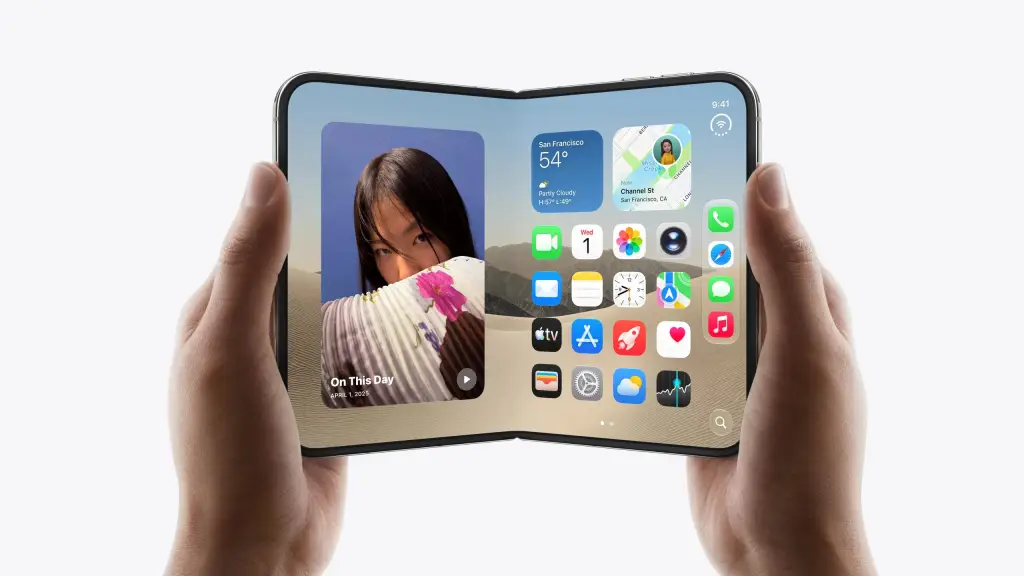
Apple has quietly capped iPhone Duo pre-orders at two units per customer across all online store regions, a move that underscores a deeper manufacturing crisis behind its first foldable smartphone. The restriction appeared overnight after delivery estimates for new orders plunged to January 2027 within minutes of the October 16 pre-order launch.
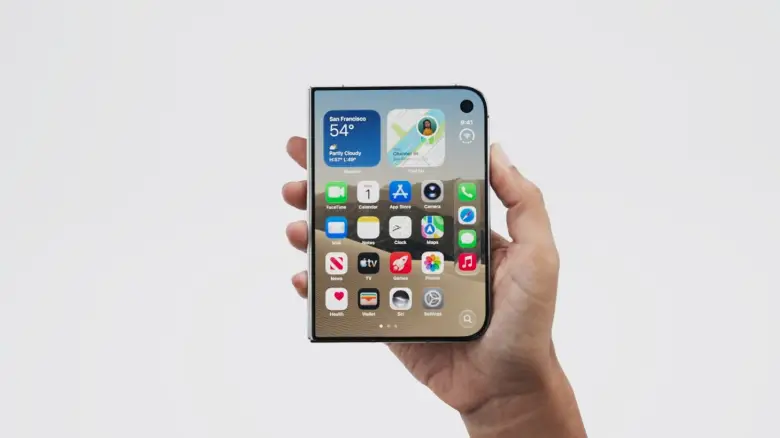
The purchase limit targets scalpers who deployed automated bots to hoard inventory, with one operator openly documenting the scheme on X. Units surfaced on eBay within hours at markups exceeding 300%. But industry analysts say the scalper problem masks a more fundamental constraint: Apple’s foldable display yield rates remain critically low.


“The January 2027 delivery window implies a production run measured in low hundreds of thousands, not millions,” said Ming-Chi Kuo, analyst at TF International Securities, in a research note obtained by this agency. “Samsung Display and LG Display are still struggling with crease visibility and durability specs on the ultra-thin glass lamination process.”
Apple’s supply chain partners have produced foldable panels in volume since 2019 for Samsung’s Galaxy Z Fold series. But the iPhone Duo’s inward-folding design demands a tighter bend radius and thinner cover glass than any commercial device to date. Sources familiar with the production ramp say both display suppliers failed final validation tests as recently as August, forcing a redesign that compressed the manufacturing window to roughly eight weeks.
The two-unit cap applies to every storage and color variant. Apple has not commented on whether walk-in purchases will be available at physical retail locations on launch day, October 23. In prior high-demand launches — the iPhone X in 2017 and the Vision Pro in 2024 — Apple allocated separate inventory pools for in-store sales, but those products did not face display yield crises of this magnitude.
Scalpers exploited the gap between announced availability and actual yield. Automated checkout scripts flooded Apple’s reservation system in the first 90 seconds, according to cybersecurity firm HUMAN Security, which tracked bot traffic patterns. The company’s new limit will not recover units already captured; those devices will still reach secondary markets at inflated prices.
For consumers, the earliest guaranteed delivery now stands at January 22, 2027 — 13 months after the product announcement. That timeline assumes no further yield excursions. Samsung, by contrast, shipped 1.2 million Galaxy Z Fold 6 units in its first quarter. Apple’s foldable entry arrives three generations late to a market it defined in patent filings a decade ago.