

iPhone Duo Supply Chain Crisis: Low Yields and Supplier Clashes Threaten Apple’s Foldable Launch
Suppliers urge Apple to lower quality standards as 2026 production targets fall to a fraction of typical flagship volumes.
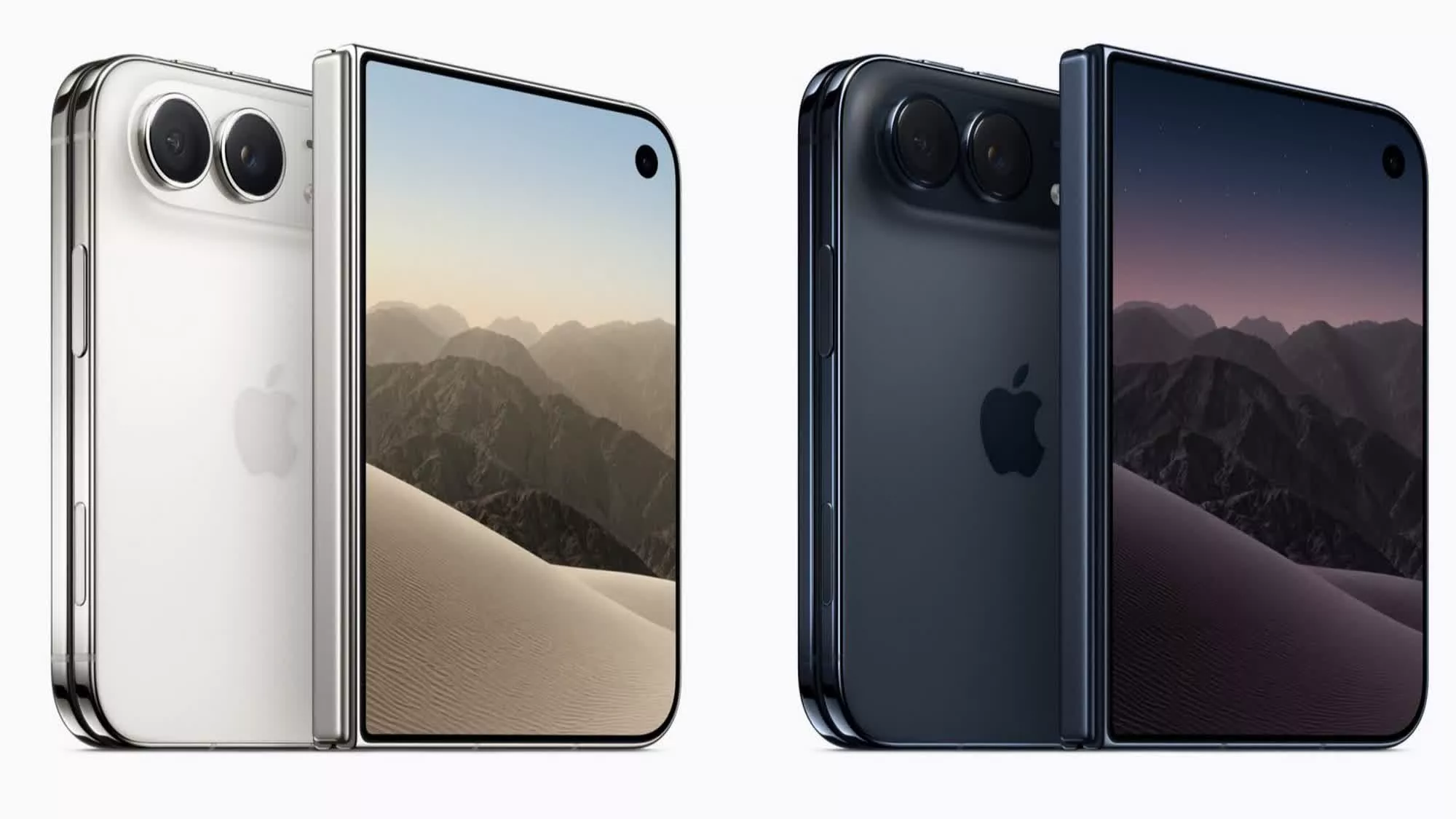
Apple’s first foldable smartphone faces a manufacturing bottleneck that could severely restrict availability when the iPhone Duo reaches consumers next month. Final assembly yields at Foxconn hovered just above 60 percent as of mid-September, according to supply chain intelligence reported by Chinese outlet Jiemian News, leaving the contract manufacturer scrambling to stabilize production lines ahead of the retail launch.
A yield rate in the low 60s is exceptionally problematic for consumer electronics mass production. Industry standards for mature flagship smartphones typically require yields exceeding 90 percent before a device can be manufactured profitably at scale. At current levels, roughly four out of every ten assembled units fail quality inspections, generating massive scrap costs. Foxconn engineers are reportedly recalibrating equipment and rewriting assembly processes continuously, but reaching acceptable maturity could take six to twelve months.
The manufacturing friction extends far beyond final assembly plants. Samsung Display, which supplies the foldable OLED panels and hinge mechanisms, is experiencing its own severe yield depression. The root cause traces back to late-stage design modifications mandated by Apple. Altering the physical specifications of a foldable display stack or its hinge tolerance weeks before mass production forces panel manufacturers to restart calibration processes, a delay that cascades through the entire component supply chain.


This dynamic highlights a fundamental difference between Apple and its Android competitors in the foldable space. Samsung Electronics has iterated on its Galaxy Z Fold series since 2019, gradually refining hinge mechanics and flexible glass durability over seven generations. By contrast, Apple engineered the iPhone Duo as a first-generation product while simultaneously demanding the fit-and-finish tolerances of a mature flagship. That uncompromising approach is now colliding with the physical realities of folding glass and flexible circuitry.
Faced with these compounding bottlenecks, component suppliers have presented Apple with a stark ultimatum: prioritize volume or preserve quality. Multiple vendors have lobbied Cupertino to relax specific inspection criteria to accelerate throughput. Ramping up line speed under current constraints would increase total unit output, but defective devices would surge proportionally. For a company that built its brand premium on hardware perfection, accepting higher defect rates risks damaging consumer confidence during the most critical phase of a new product category introduction.
Apple appears to have already adjusted its expectations accordingly. Total production targets for the iPhone Duo in 2026 sit between 6 million and 8 million units, with internal sales guidance exceeding 5 million. These figures represent a fraction of standard flagship volumes. A typical iPhone Pro or Pro Max generates 20 million to 30 million shipments over its lifecycle. The constrained forecast effectively positions the Duo as an ultra-premium halo device rather than a mainstream volume driver.
Pricing reflects this positioning, though perhaps less aggressively than early speculation suggested. Unveiled earlier this month at Apple’s ‘Surprise and Shine’ event in Cupertino, California, the base 256GB iPhone Duo starts at $1,999. While expensive by traditional smartphone standards, the entry point undercut pre-announcement rumors of a $3,000 to $3,500 price tag. It also places the device in direct competition with the Samsung Galaxy Z Fold 8 Ultra, which carries a $2,099 asking price.
The tight timeline leaves little room for error. With retail availability slated for November, Foxconn and its supplier network are operating under maximum pressure to convert raw components into shippable inventory without triggering a wave of post-launch hardware failures. As of late September, no official adjustments to the announced release window have been communicated to retail partners.




