
Apple’s Beats Unit Takes Aim at the Mobile Gamepad Market
Two Beats-branded controllers could bring Apple deeper into console-style mobile gaming
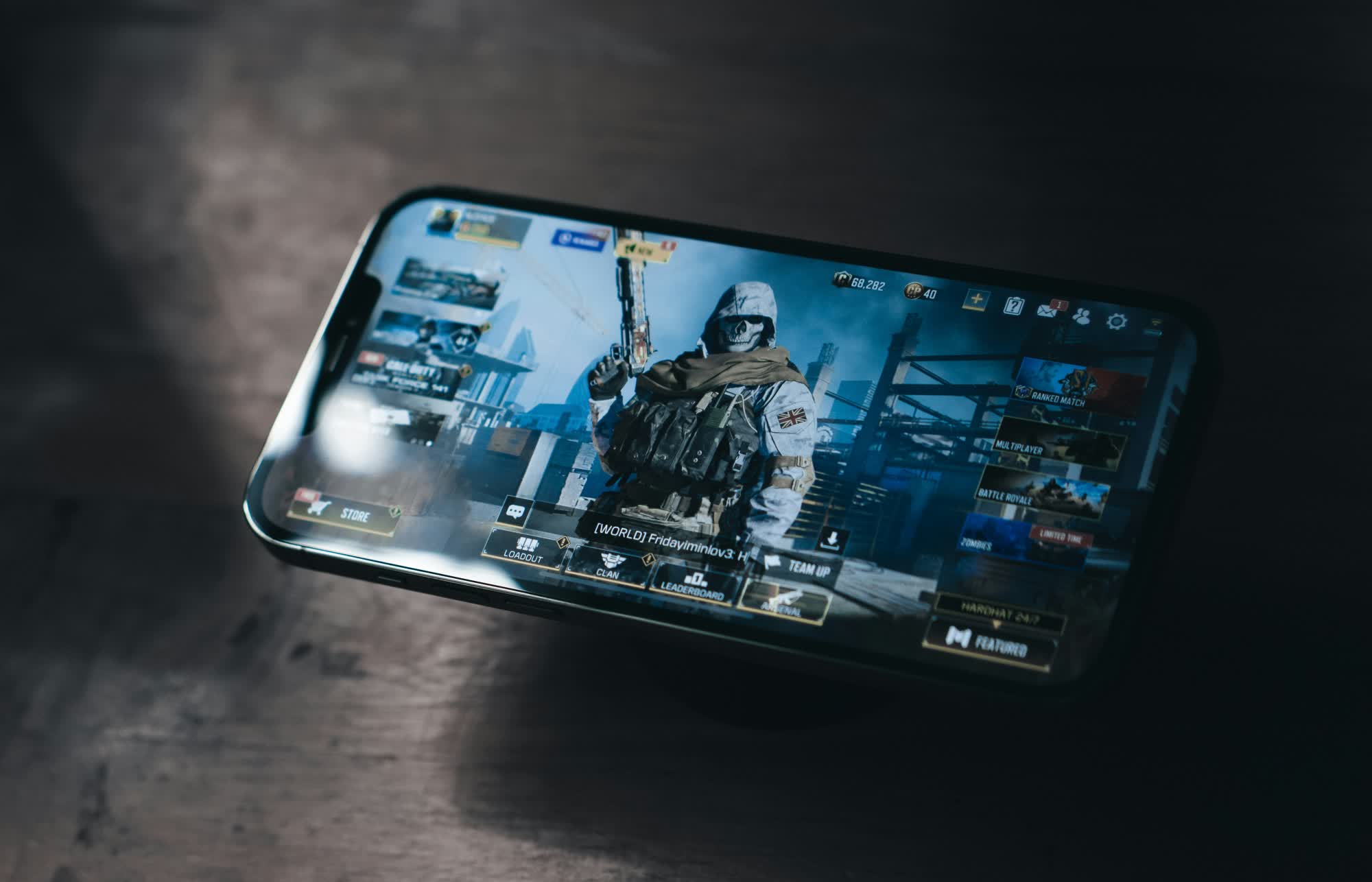
CUPERTINO, Calif. — Apple Inc. is developing its first in-house mobile game controllers under the leadership of its Beats Electronics subsidiary, positioning the tech giant to challenge established third-party accessory manufacturers in the maturing mobile gaming market.
The project has been underway for more than a year, according to Bloomberg’s Mark Gurman. Apple has steadily upgraded the processing power of its mobile devices for high-end gaming, but it has historically relied on external hardware partners for the physical controllers needed for console-style gameplay.
Apple’s move comes as recent A17 Pro and A18 chipsets in modern iPhones have brought hardware-accelerated ray tracing to mobile devices. Major publishers have consequently ported demanding AAA console games, including Capcom’s *Resident Evil Village* and Ubisoft’s *Assassin’s Creed Mirage*, to the App Store.
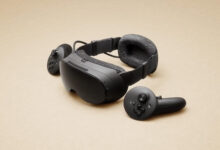
Software code discovered in an early macOS 26.7 release candidate provided the first details about the upcoming hardware. The data indicates that Apple is working on two distinct controller models.
The controllers would enter a market dominated by third-party brands. Backbone One and Razer Kishi have established the standard for wrap-around, phone-mounted controllers, while 8BitDo and Hyperkin offer popular standalone Bluetooth alternatives. Consumer demand for physical, low-latency control schemes has grown as touchscreen interfaces struggle to replicate them.
Both planned models use a standard gamepad configuration with dual analog sticks, a directional pad (D-pad), shoulder buttons, analog triggers, and dedicated home and menu keys. Their structural and functional differences are outlined in the software code rather than in any public product announcement.
One version includes an integrated accelerometer and gyroscope for motion-sensing controls. The second model lacks those sensors, and the two controllers are also expected to provide different tiers of haptic feedback performance.
Beats gives Apple flexibility in testing the category. Apple purchased Beats in 2014 for $3 billion, the largest acquisition in Apple’s history, and has kept it as a separate, lifestyle-oriented entity. Apple-branded accessories generally follow a strict premium aesthetic and high price point.
Beats has expanded beyond its signature headphones, earbuds, and speakers with products such as iPhone cases and charging cables. Its varied construction materials and broader price points allow Apple to experiment with new accessory categories without directly affecting the premium branding of its core product lines.
Apple has expanded native system-level support for third-party controllers through successive iOS updates, including Sony’s PlayStation DualSense and Microsoft’s Xbox Series X controllers. The dedicated hardware effort is part of Apple’s attempt to position its devices as viable alternatives to traditional gaming consoles.
Apple has not publicly announced a release date, pricing, or official names for the upcoming Beats-branded game controllers.