

World of Warcraft: Forever Locks Classic Azeroth at Level 60
Blizzard expands Classic Azeroth with new zones, raids, quests, and a permanent level 60 cap
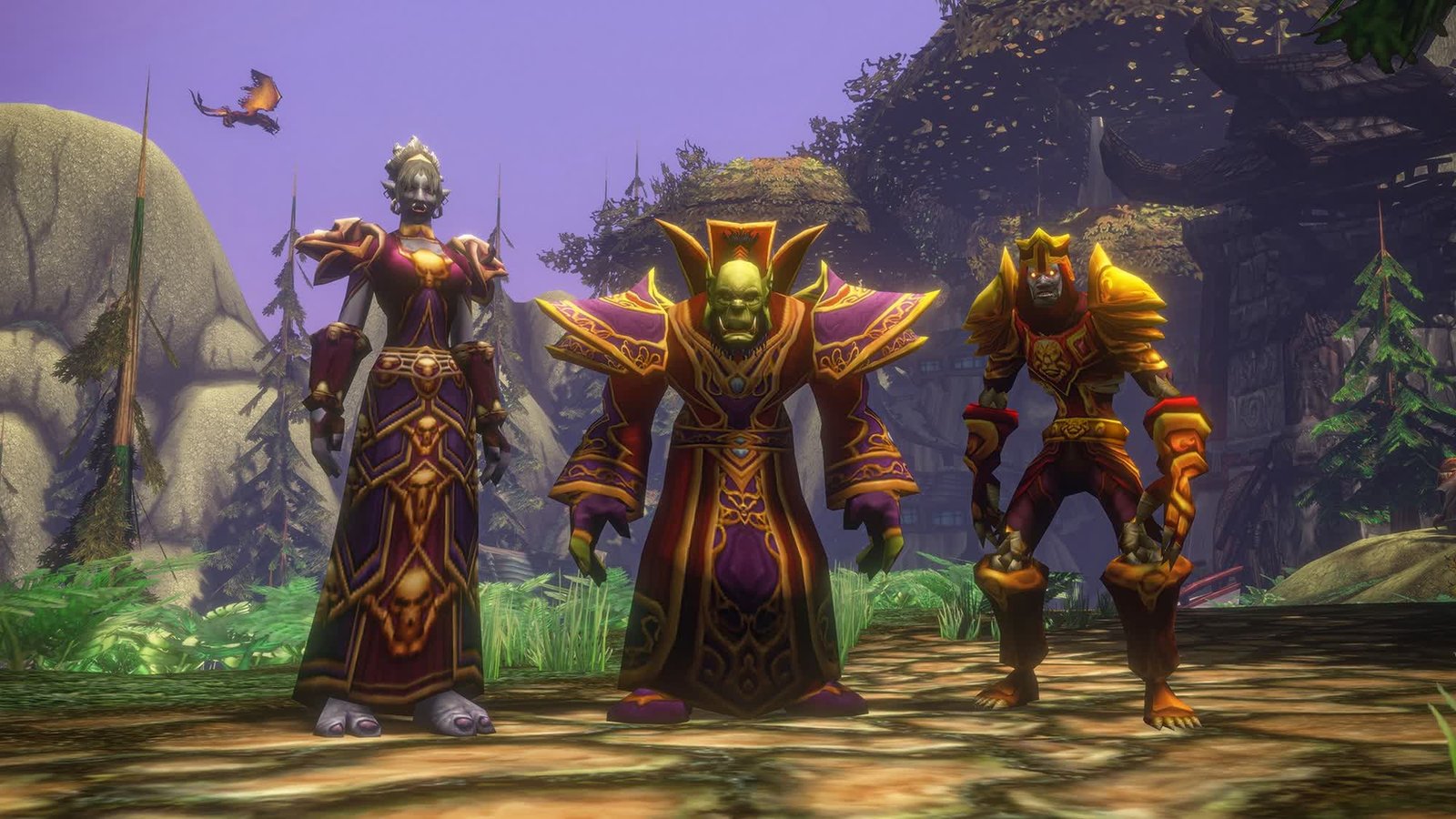
ANAHEIM, Calif. — Blizzard Entertainment announced World of Warcraft: Forever at BlizzCon 2026, introducing a permanent version of its iconic massively multiplayer online role-playing game (MMORPG). The title is scheduled to launch on November 4, roughly two weeks before Rockstar Games’ Grand Theft Auto VI arrives on November 19.
Forever will be included with an active World of Warcraft subscription, which historically starts at $14.99 per month in the United States. Players will not need to purchase the base game separately, although Blizzard is offering premium monetization tiers tied to the title’s launch.
The game permanently locks its maximum player level at 60, unlike the modern version of World of Warcraft, which uses a shifting level cap and continuous vertical progression. Its 1-60 bracket will contain nine new dungeons, two new raids, and over 1,000 newly designed quests.


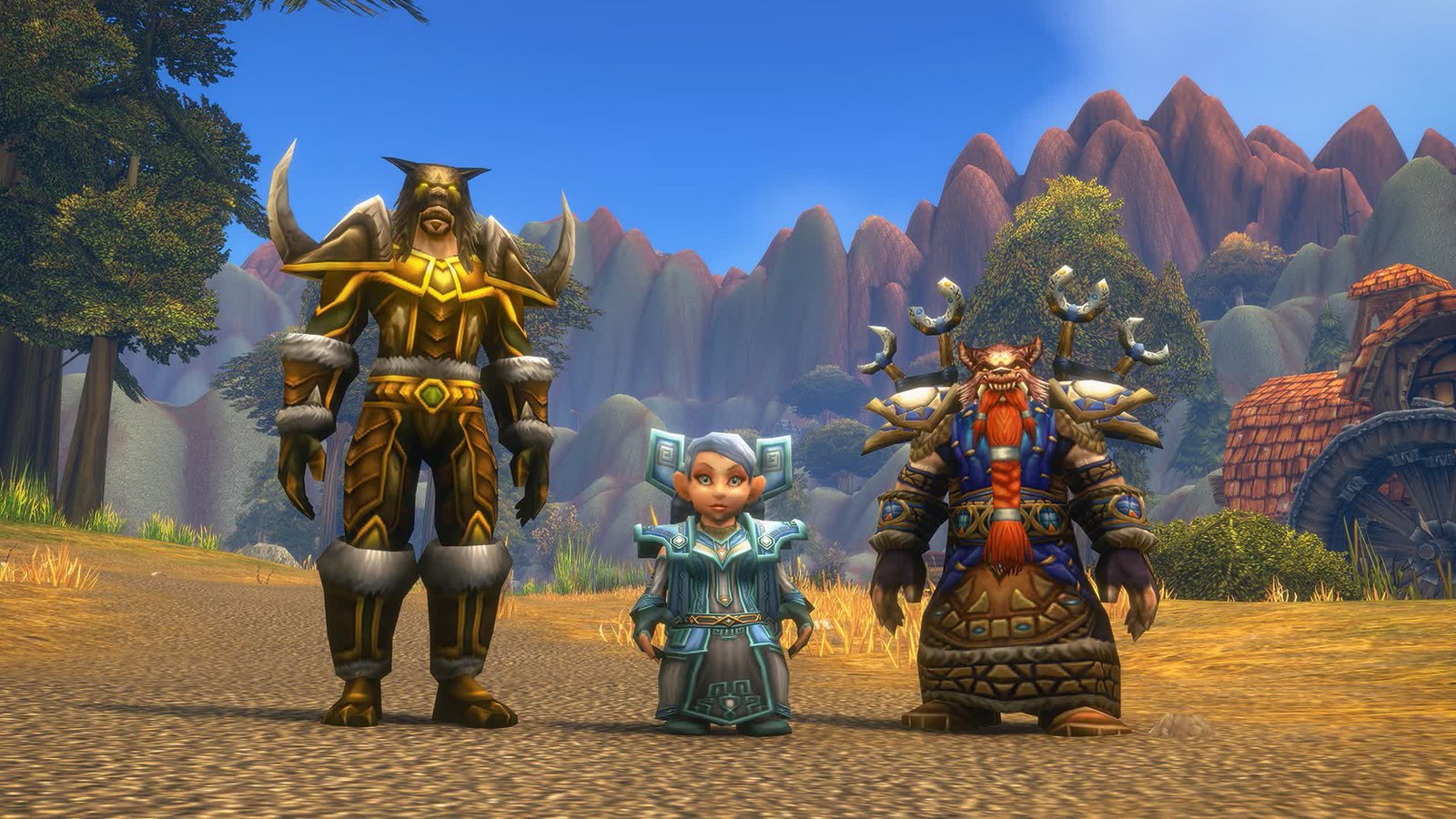
Players who want to enter the public beta must purchase a premium package because standard subscribers will not receive automatic access. The beta begins Thursday, September 17, has a level cap of 30, and is available through the $60 Skyborne Epic Pack, the $80 Warcraft Forever Collection, or the $150 physical Collector’s Edition.
Optional upgrade packs will be sold at launch for the game’s new playable race and exclusive cosmetic items. That race begins its journey in Zephras Isle, a zone designed specifically for the newly introduced Skyborne elf playable race.
The storyline is set during the first year of the original 2004 Azeroth era, shortly after the events of Warcraft III Reforged: Forsaken Kingdom. It takes place before the opening of Molten Core, the legendary 40-player raid that defined early endgame content.
World of Warcraft: Forever formalizes the long-standing “Classic+” concept: an alternate timeline of the original 2004 game that expands on its foundation rather than replacing it with later expansions. At launch, it will become a third permanent pillar alongside the modern “Retail” version and the standard progression-based “Classic” servers.
Among the expanded areas is Mount Hyjal, where players explore the aftermath of Burning Legion commander Archimonde’s defeat at the World Tree Nordrassil, the climax of 2002’s Warcraft III: Reign of Chaos. The zone includes efforts to restore the ravaged landscape and assist its native wild gods.
Riverglades lies along the untamed eastern coast of the Eastern Kingdoms and adds more than 150 new quests divided between the Alliance and Horde factions. Shen’dralas, meanwhile, sits on the southern continent of Kalimdor between Mulgore and Desolace.
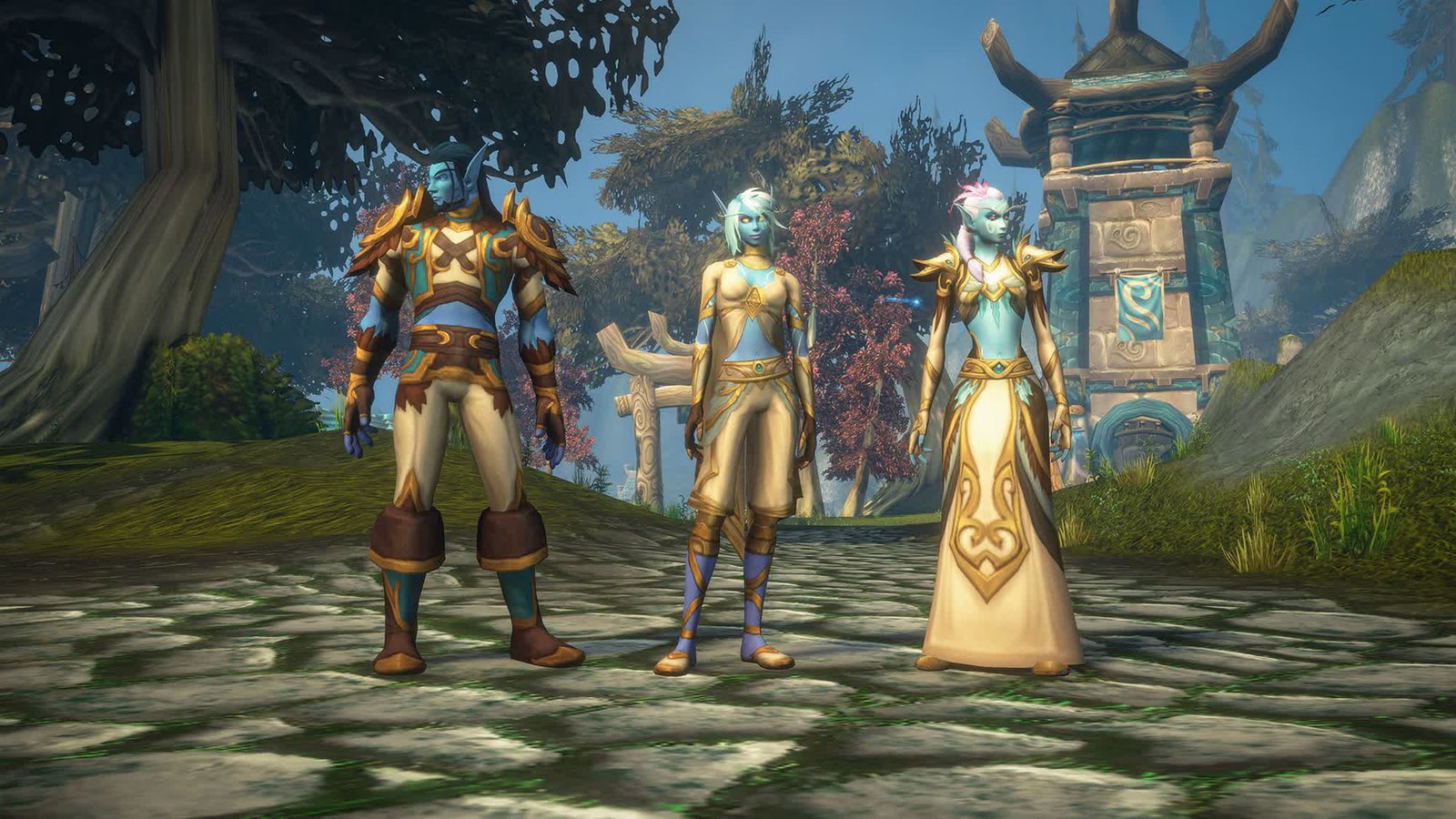
The Shen’dralas storyline centers on the ancient Highborne elves connected to the ruins of Eldre’Thalas and the Dire Maul dungeon complex. It also follows the ongoing war between the rival Gelkis and Magram centaur clans.
Blizzard’s development of Forever follows a decade-long shift in its management of legacy content. Demand for legacy servers peaked in 2016 after fan-operated private servers such as Nostalrius were shut down, prompting intense dialogue between the player base and Blizzard executives.
That pressure led to the official launch of World of Warcraft Classic in August 2019, recreating the game as it existed in 2006. Blizzard later advanced those servers through The Burning Crusade Classic in 2021, Wrath of the Lich King Classic in 2022, and Cataclysm Classic in 2024.
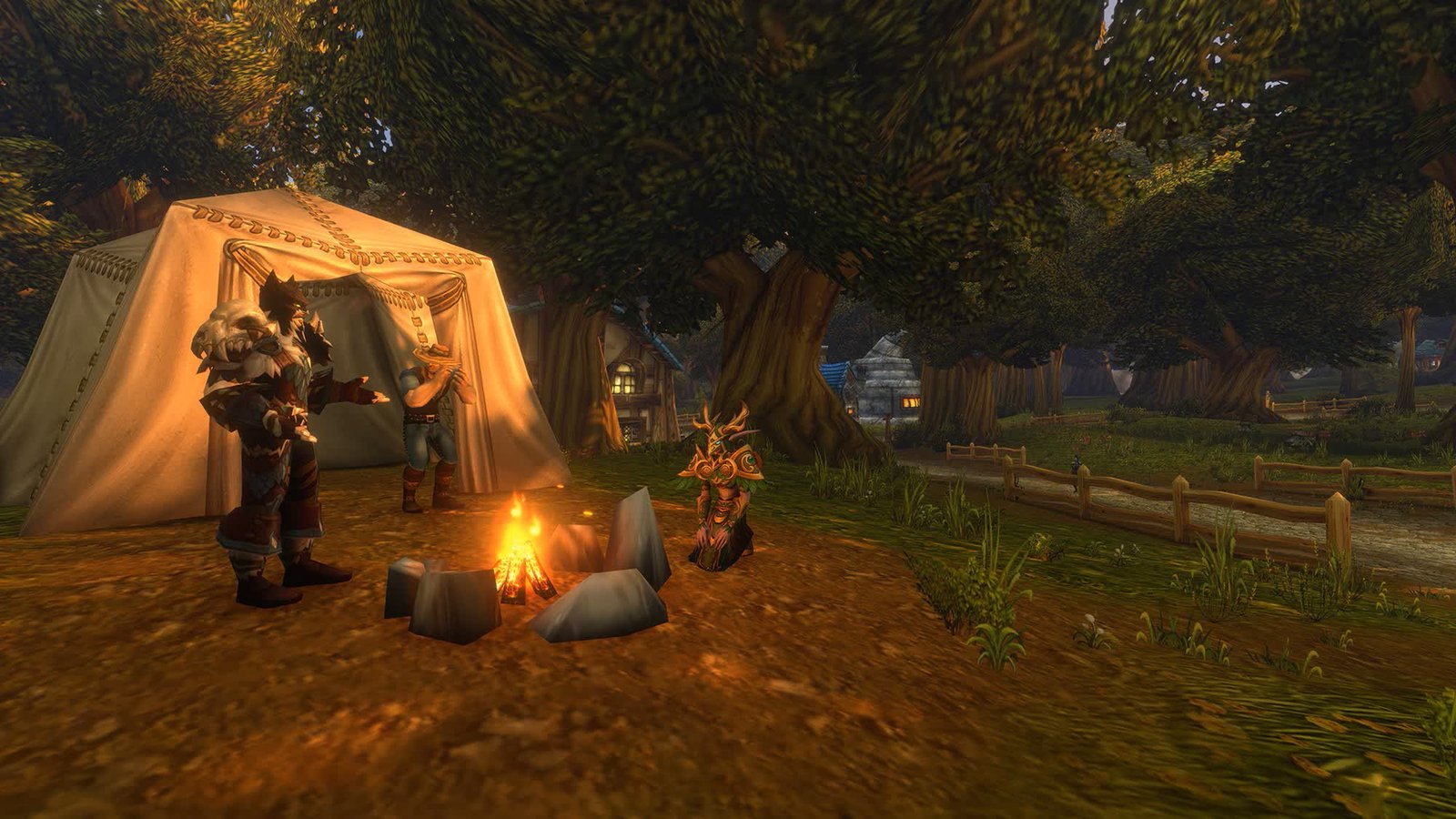
The company also tested alternative rule sets through the temporary Season of Mastery in 2021 and Season of Discovery in 2023. Season of Discovery introduced modified class abilities and altered endgame content.
To update the 22-year-old engine while preserving its historical aesthetic, Blizzard added real-time shadows, volumetric particle effects, and upgraded water rendering. The user interface also includes a graphical toggle that instantly switches between the original low-polygon 2004 character models and modern high-definition assets.









One Comment