Dormant Bitcoin Wallet Moves $377M After 6 Years Idle
The six-year-old wallet survived multiple crypto crashes and a targeted address poisoning attack before redistributing funds into five fresh addresses.
A dormant Bitcoin wallet holding 4,581.94 BTC broke a six-year silence on Oct. 12, transferring its entire balance — valued at roughly $377 million — to five newly generated addresses in a single transaction. The move, confirmed in block 971,126 at approximately 18:37 UTC, cost the sender just 732 satoshis in network fees, equivalent to about 60 cents at current exchange rates.
Four of the receiving addresses absorbed exactly 1,000 BTC each, while the fifth took the remaining 581.94 BTC. As of block 971,279 on Oct. 13, none of the new wallets has initiated any outbound transfers. The identity of the entity controlling the funds remains unknown, and the original address now holds only 23,288 satoshis in residual dust deposits worth roughly $19.
The coins originally arrived on March 3, 2020, when a larger 5,081.95 BTC balance was split three ways. At the time, Bitcoin traded near $8,830, making the incoming 4,581.94 BTC worth approximately $40.5 million. The holder maintained the position through one of the most volatile eras in cryptocurrency history. Within days of the deposit, the global pandemic crash erased more than half the portfolio’s dollar value, dragging it down to roughly $17.6 million.

Subsequent market shocks tested the position repeatedly. Tesla’s suspension of Bitcoin payments and China’s sweeping mining ban in mid-2021 slashed the stash from a $291 million peak to $131 million. The 2022 collapses of TerraUSD, Celsius Network, and FTX, compounded by aggressive Federal Reserve interest rate hikes, pushed the portfolio’s value to around $71 million. Most recently, tariff-driven market turbulence sent Bitcoin tumbling 54% from a record high of $124,728 to $57,735, temporarily reducing the wallet’s value to an estimated $265 million before a broader recovery lifted Bitcoin back above $82,000.
Despite these drawdowns, the decision to hold yielded nearly a tenfold return on the initial investment. This type of long-term dormancy is increasingly rare but not unprecedented among early adopters. In July 2025, an entity moved 80,000 BTC that had remained untouched for 14 years, representing an $8.6 billion transfer and the largest daily movement of decade-old coins on record. Ten days later, a Satoshi-era wallet routed 40,009 BTC, valued at approximately $4.7 billion, to Galaxy Digital, which subsequently disclosed executing a $9 billion sale on behalf of an early client.
Unlike those massive liquidations, the destination of this week’s 4,581.94 BTC offers no immediate clues about institutional involvement or impending sales. However, the wallet’s operational history reveals active monitoring by bad actors attempting to exploit its visibility.
Blockchain records show the address received 22 micro-deposits, known as dust transactions, between August 2020 and May 2026. These transfers ranged from 546 to 6,953 satoshis, each worth less than $6. Sixteen of them originated from batch transactions distributing funds to between 87 and 610 addresses simultaneously, a common method used by analytics firms or spammers to tag dormant wallets.
One specific deposit aligns with a known fraud technique called address poisoning. On Jan. 28, 2025, an attacker sent 600 satoshis to the whale wallet using a look-alike address starting with “18VpNbPc” and ending in “pQ9x”. This fraudulent address shared the first three and last four characters of the victim’s legacy wallet. Attackers use this method hoping that future users will copy the wrong address directly from their transaction history when attempting to send funds. The look-alike address was funded on Nov. 12, 2024, via a transaction paying out to 1,401 outputs, and was immediately emptied after delivering the single poisoned payment. Every other sender interacting with the whale wallet utilized modern bc1 SegWit addresses, making the legacy-format poison attempt visually distinct.
Whales routinely consolidate or redistribute holdings into fresh addresses to enhance privacy, upgrade to newer cryptographic standards, or prepare assets for over-the-counter trading desks without triggering public exchange order books. The precise division of the 4,581.94 BTC into clean 1,000 BTC increments suggests a structured redistribution rather than a panicked exit.
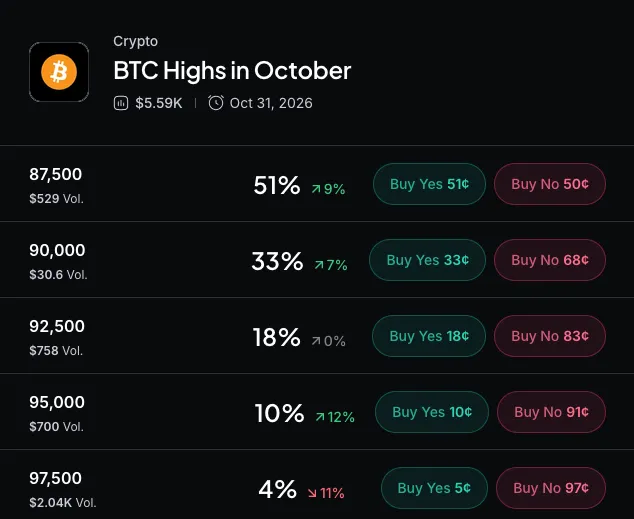
Bitcoin traded near $83,199 following the transfer, reflecting a 2.82% decline over the preceding 24 hours alongside $1.3 billion in volume.