AOC egg freezing cost, insurance gaps and political fallout
The New York Democrat explained how federal health plans exclude elective fertility preservation, highlighting systemic cost barriers for working women.
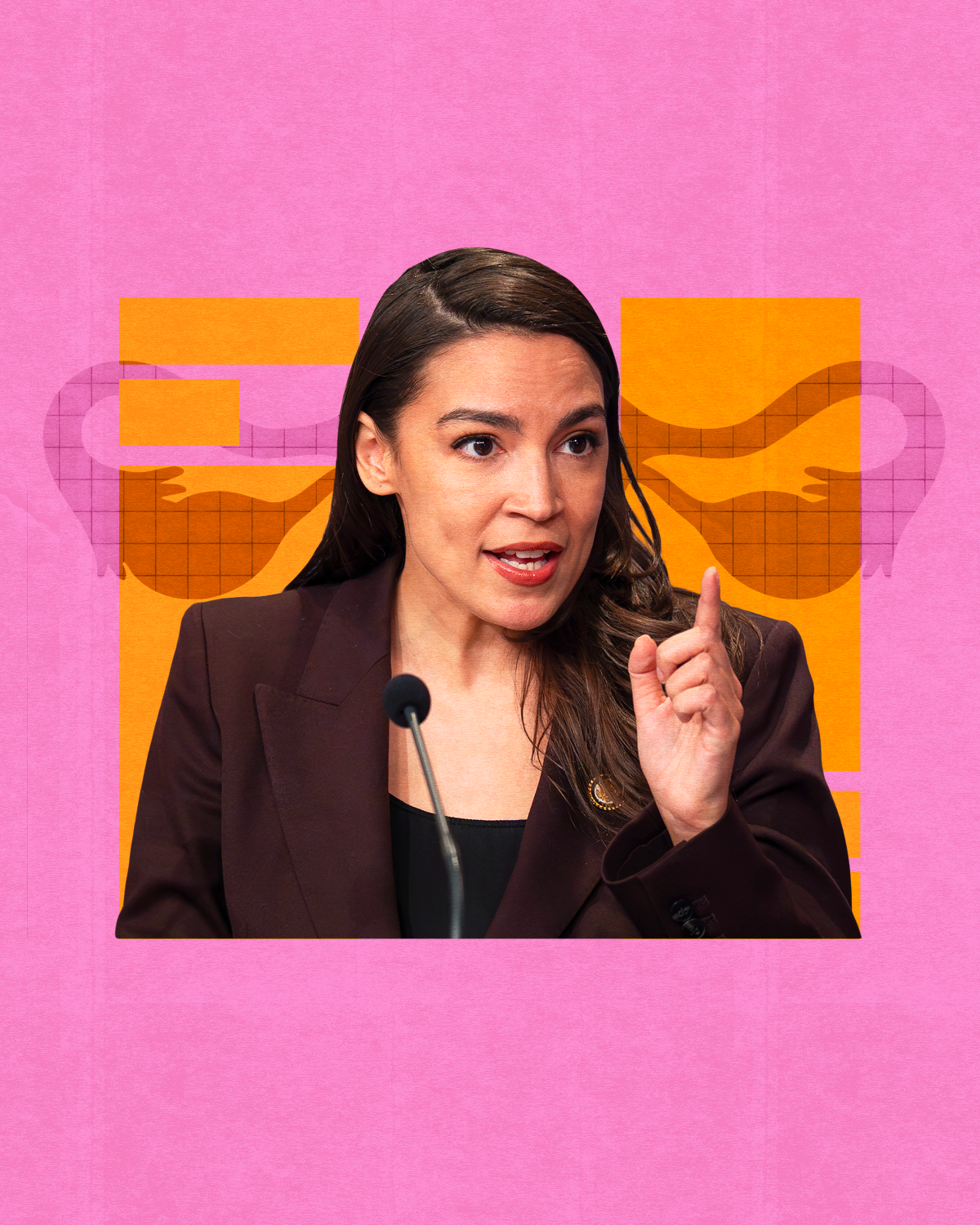
U.S. health insurance plans routinely exclude elective fertility preservation from coverage, a gap that forces even high-profile public officials to pay tens of thousands of dollars out of pocket. Rep. Alexandria Ocasio-Cortez confronted that financial reality directly this week, detailing how she spent months saving for an egg-freezing cycle that her congressional health plan refused to cover.
The New York Democrat shared the medical and financial specifics across Instagram Stories and a Sunday interview on ABC News’ “This Week” with co-anchor Jonathan Karl. She described the choice as a move to regain personal control over her life trajectory, linking her decision to broader anxieties about reproductive autonomy under the current federal administration.
Egg freezing, medically known as oocyte cryopreservation, involves roughly two weeks of daily hormone injections to stimulate the ovaries to produce multiple eggs simultaneously. Physicians then retrieve the mature eggs through a minor surgical procedure performed under sedation before flash-freezing them in liquid nitrogen for potential future use via in vitro fertilization. The American Society for Reproductive Medicine removed the “experimental” label from the procedure in 2012, triggering a steady rise in utilization among women in their late twenties and thirties seeking to delay childbearing without sacrificing biological viability.


A single retrieval cycle typically costs between $10,000 and $15,000 in the United States when medications, monitoring ultrasounds, bloodwork, anesthesia, and laboratory fees are combined. Annual storage adds another $500 to $1,000. Because the Affordable Care Act does not mandate coverage for elective fertility preservation—only for infertility diagnoses—most employer-sponsored and government plans leave patients to absorb the full expense. Federal employees, including members of Congress, purchase coverage through the Federal Employees Health Benefits program, which generally mirrors private-sector exclusions regarding proactive family planning procedures.
Ocasio-Cortez’s disclosure arrives as national debates over reproductive rights intensify. Following the Supreme Court’s 2022 Dobbs v. Jackson Women’s Health Organization decision overturning federal abortion protections, legal ambiguity has expanded into other areas of reproductive medicine. Several states with strict abortion bans have prompted fertility clinics to alter or pause IVF protocols after court rulings questioned whether frozen embryos qualify as legal persons, creating new hurdles for patients attempting both conception and preservation.
On Tuesday, the congresswoman published a 10-minute video breaking down the biological mechanics of the process, explaining the function of each injection and documenting the physical side effects she experienced during ovarian stimulation.
The disclosure immediately fractured standard partisan talking points. Conservative commentator Matt Walsh criticized the timeline on X, arguing that at 36, Ocasio-Cortez was approaching the end of optimal fertility rather than planning ahead. Medical data complicates that framing: while egg quality and quantity peak in a woman’s twenties, reproductive endocrinologists generally consider 38 the threshold where success rates for frozen-thawed eggs begin to decline sharply, making the mid-thirties a common window for preservation.
Unexpected support emerged from Katie Miller, a conservative podcaster and wife of White House Deputy Chief of Staff Stephen Miller. Miller praised the decision on X, framing it within her frequent advocacy for higher U.S. birth rates. The Millers have built a significant portion of their political commentary around demographic decline, regularly attributing falling fertility statistics to contraception access and feminist cultural shifts—a stance that occasionally puts them at odds with religious conservatives who oppose assisted reproductive technologies entirely.
Ocasio-Cortez, the youngest woman ever elected to Congress, acknowledged the inevitable speculation about her motives, particularly given persistent rumors surrounding a future presidential bid. She did not confirm whether she intends to use the preserved eggs, stating only that she anticipated public assumptions and accepted them.
Her transparency carries specific weight for Latina women, who navigate distinct cultural expectations regarding motherhood timelines alongside documented disparities in accessing specialized reproductive care. According to the Centers for Disease Control and Prevention, Hispanic women utilize assisted reproductive technology at significantly lower rates than white women, driven by a combination of cost barriers, lack of insurance coverage, and fewer fertility clinics operating in predominantly Latino communities.
Ocasio-Cortez resumed posting clinical updates regarding her hormone levels and recovery status on Tuesday.