

Alkaline vs. Lithium-ion Batteries: Which One Do You Need
Disposal rules and voltage differences that affect device safety
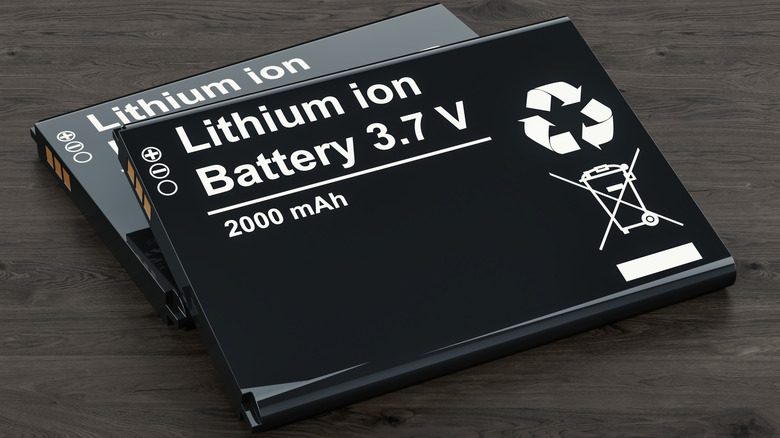
Households frequently lump every battery containing lithium into a single category, a classification error that carries real safety consequences. The term lithium-ion batteries applies specifically to rechargeable packs found in portable electronics, yet a disposable lithium cell shares the metal name while operating on entirely different principles. Understanding the distinction between alkaline batteries and lithium-ion batteries is less about specifications and more about matching the chemistry to the device’s power draw.
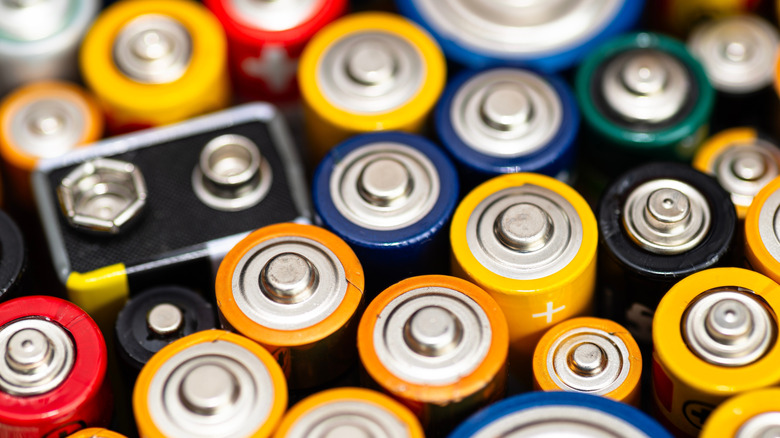
Alkaline cells remain the standard for low-drain applications. They power television remotes, wall clocks, and wireless computer mice for years on a single charge. Their production cost stays low, and availability is widespread across standard shapes such as AA, AAA, C, D, and 9-volt. However, they are single-use units designed for steady, modest current rather than sudden surges.
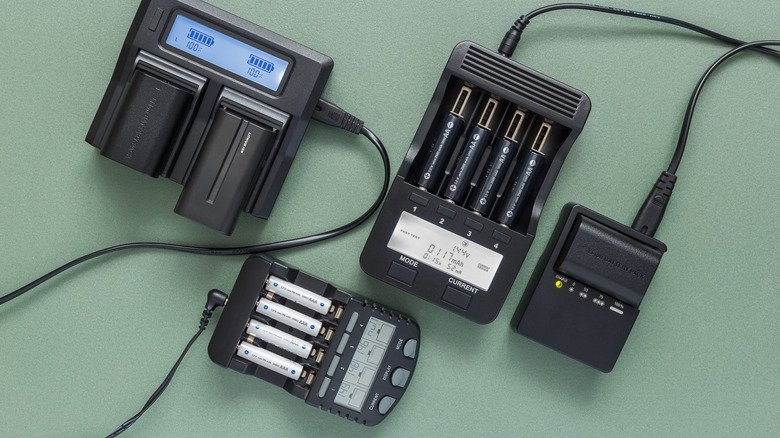


Lithium-ion batteries dominate high-energy applications because of their energy density. Smartphones, laptops, digital cameras, and cordless power tools rely on the chemistry to store substantial runtime within a compact form factor. This capability requires a dedicated charging circuit built into the device or pack, meaning the cells cannot be powered or recharged through standard household outlets without conversion hardware.
Disposable lithium cells occupy a middle ground that often causes confusion. Marketed as 1.5-volt replacements for alkaline batteries, they cost more upfront but handle high-drain devices better than standard alkaline cells. Outdoor enthusiasts favor them for equipment exposed to extreme temperatures, with performance ratings spanning from -40 to 140 degrees Fahrenheit where alkaline chemistry struggles.
For users who cycle through rechargeable AA and AAA stock rapidly, Ni-MH batteries like the Panasonic Eneloop offer a practical alternative to constant repurchasing. These cells deliver 1.2 volts rather than the 1.5 volts typical of disposable versions. While this lower voltage works in most everyday gadgets, voltage-sensitive products such as certain digital cameras require verification before switching.
Battery disposal rules differ sharply depending on the chemistry inside the casing. Damaged lithium-ion batteries and the devices containing them can experience thermal runaway if crushed or punctured in waste streams, creating fire hazards. Consumers should never place these units in household garbage or random recycling bins, taping exposed terminals and keeping cells separate before transport to dedicated recyclers.
In most of the United States, spent alkaline batteries may be discarded in regular trash, although California enforces stricter recycling requirements. Local county rules may also encourage or mandate recycling regardless of state policy. Reusing rechargeable Ni-MH batteries reduces the volume of single-use cells entering the waste stream over time.
Safety protocols also extend to charging practices. Manufacturers specify alkaline cells as single-use, and attempting to charge disposable lithium or alkaline units risks overheating. Likewise, fitting alkaline batteries into a lithium-ion battery pack is incompatible and dangerous. Always confirm manufacturer compatibility before substituting a battery type in any device.









