

Nithya Raman Takes on Karen Bass in a Fractured Los Angeles City Hall
Raman challenges Bass as Los Angeles debates policing, housing and City Hall leadership

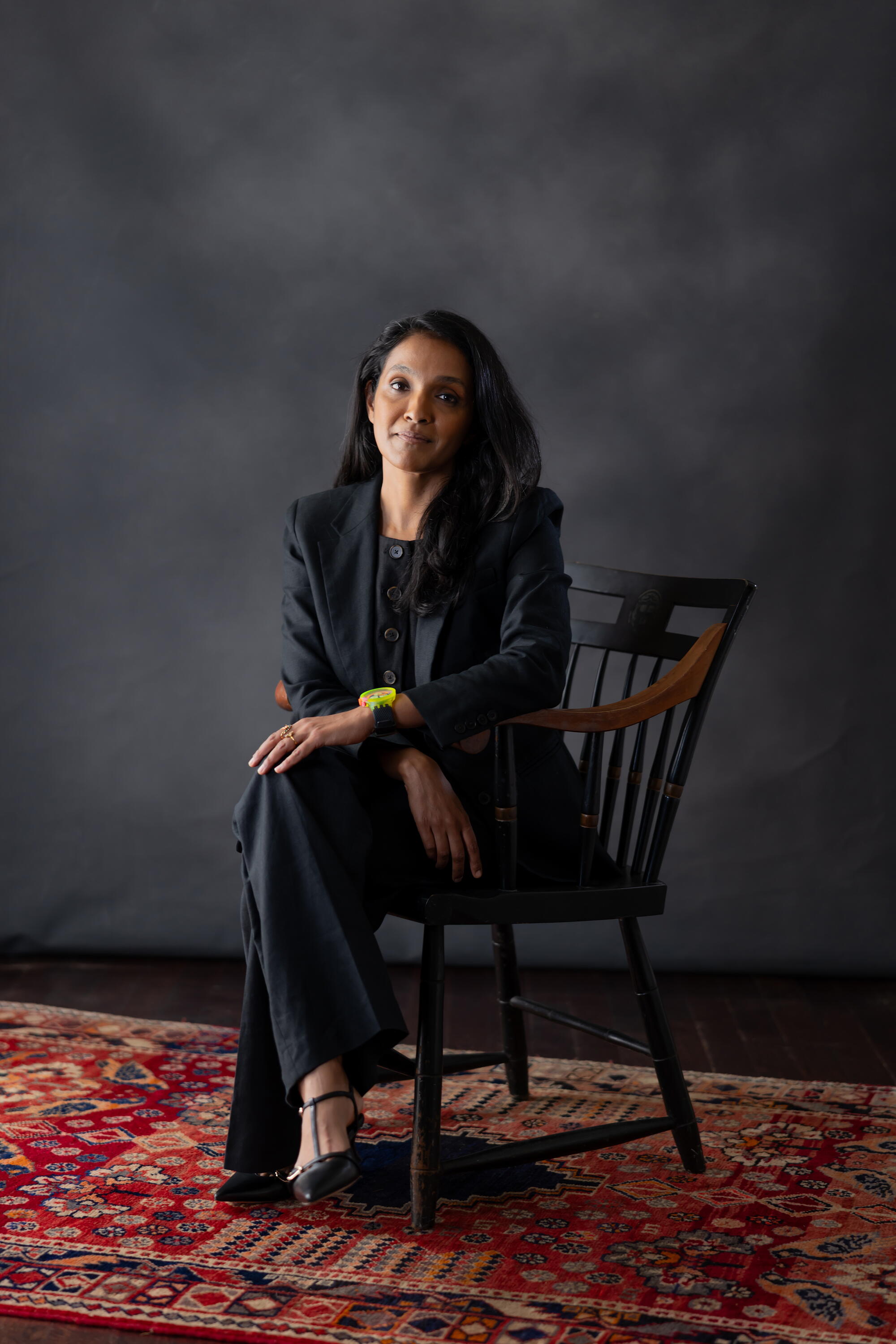
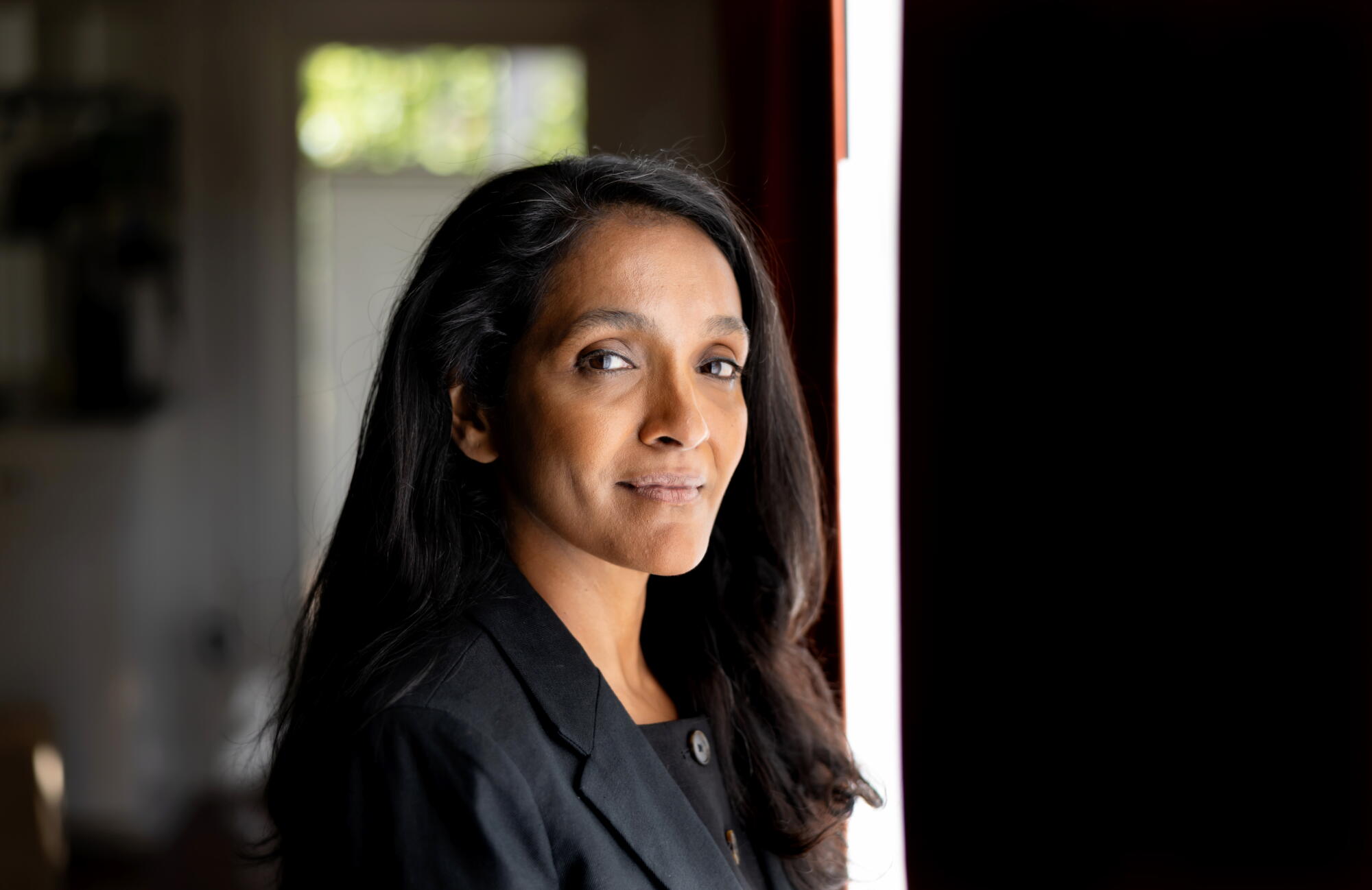
A high-stakes political challenge is reshaping Los Angeles City Hall as City Councilmember Nithya Raman launches a campaign for mayor, positioning herself as a reform-minded challenger to incumbent Karen Bass. Raman has framed the candidacy as a localized effort focused entirely on municipal governance, saying she has no aspirations to run for state or federal offices in Sacramento or Washington, D.C.
Her late entry into the mayoral primary has alienated many colleagues on the 15-member City Council, who have aligned almost unanimously behind Bass. The move is a stark pivot for Raman, who had previously endorsed Bass for reelection. Under the city charter’s “strong mayor” system, the council retains significant legislative and budgetary authority, but its members must routinely negotiate with the mayor’s administration for funding and resources in their districts.
Raman said her initial endorsement of Bass was pragmatic, intended to help secure scarce city resources for constituents amid ongoing fiscal challenges. She represents Council District 4, which includes Los Feliz, the Hollywood Hills, and parts of the San Fernando Valley, including Sherman Oaks.


Born in India, Raman immigrated to the United States at age six. She earned an undergraduate degree from Harvard University and a master’s degree in urban planning from the Massachusetts Institute of Technology (MIT), then founded a community-led homelessness outreach nonprofit in Los Angeles. She entered local politics in 2020 by defeating incumbent Councilmember David Ryu in a major upset and was reelected in 2024.
Her political path has shifted since that first campaign. Raman aligned closely with progressive activists in 2020 and tweeted in support of the “defund the police” movement. During her council tenure, however, she voted for city budgets that maintained or sought to expand staffing levels for the Los Angeles Police Department (LAPD).
The LAPD has faced severe recruiting and retention challenges. City leaders historically aimed to maintain approximately 10,000 sworn officers, but active personnel has fallen to about 8,500 after recent departures. Raman had previously advocated maintaining a force of 8,700 officers.
Raman attributes the change in her position to a deeper understanding of municipal finance and emergency response infrastructure. Because alternative non-armed crisis response systems are not yet fully operational, she said, the city remains reliant on the LAPD for the vast majority of 911 calls. She has nevertheless continued to raise concerns about substantial police salary increases, arguing that they strain the city’s general fund and compromise other essential public safety services, including streetlight maintenance and emergency dispatch center staffing.
Raman’s relationship with progressive organizations, especially the Democratic Socialists of America (DSA), remains a subject of discussion in local political circles. The DSA has championed “co-governance,” a model in which backed candidates maintain continuing accountability and collaborative policy-making ties with the organization. Critics and political opponents have scrutinized the relationship, while Raman has defended the partnership by saying she works with a wide range of advocacy groups, community organizations, and constituents across her district to shape municipal policy.
She has identified tenant protections as her most significant City Council achievement. After temporary pandemic-era protections expired, Raman led efforts to pass the city’s “Universal Just Cause” eviction ordinance. The legislation requires comprehensive relocation assistance for displaced tenants, establishes a minimum amount of unpaid rent before a landlord can file for eviction, and requires landlords to report all eviction notices to a centralized city database.
City agencies and nonprofit partners have used that database to conduct proactive outreach to tenants facing housing displacement. Raman’s tenure also included a major setback: in the summer of 2024, she lost her influential position as chair of the council’s Housing and Homelessness Committee during a leadership reorganization led by Council President Marqueece Harris-Dawson.
Raman has acknowledged political missteps as well, particularly her attempts to reform Measure ULA. Approved by Los Angeles voters in November 2022, the measure is known colloquially as the “mansion tax.” It imposes a 4% transfer tax on real estate transactions exceeding $5 million and a 5.5% tax on transactions over $10 million, directing the revenue to affordable housing development and tenant assistance programs.
Progressive advocates have supported Measure ULA, while real estate and development sectors have criticized it, arguing that it has stalled housing construction. Raman attempted to negotiate adjustments addressing unintended consequences for housing development, but said she failed to build broad consensus among the ULA coalition and her council colleagues. The effort produced political friction and confusion.
In her mayoral campaign, Raman has focused criticism on Bass’s administrative management and fiscal stewardship. She cited operational delays within city departments, including cases in which damaged streetlights remained unrepaired for as long as a year.
Raman has also criticized the administration’s emergency response capabilities, specifically its handling of the Pacific Palisades wildfire. She alleged a lack of emergency preparedness, weak leadership during the immediate crisis, and a slow recovery process for affected residents.
Homelessness remains central to the mayoral race. Raman disputed claims that cleared encampments in her district routinely repopulate, but acknowledged that places such as Hollywood remain significant hotspots where unhoused individuals frequently relocate after enforcement or cleanup efforts elsewhere.
On public drug use and open-air drug markets, Raman has expressed interest in policy models being implemented in San Francisco. The approach brings together outreach workers, local business improvement districts, emergency medical services, and law enforcement to direct people using drugs in public spaces toward dedicated service hubs rather than relying only on standard criminal arrests. Raman said a comprehensive municipal response must balance public safety enforcement with proactive social services.
Raman has cited several Los Angeles leaders as influences on her governing philosophy. She praised the late Councilmember Tom LaBonge, who represented District 4 for nearly 14 years, for his civic enthusiasm, and admired former Mayor Tom Bradley’s ability to build broad coalitions across a diverse city.
Her list also includes Mayor Richard Riordan’s charter reform efforts, Mayor James K. Hahn’s consensus-building during San Fernando Valley secession movements, Mayor Antonio Villaraigosa’s public enthusiasm, and Mayor Eric Garcetti’s transit expansion legacy through his advocacy for the Measure M transportation sales tax.










4 Comments