

Paramount Faces Antitrust Ultimatum as California Exit Looms
David Ellison sets Oct. 1 settlement deadline as Paramount explores Texas, Georgia and Tennessee
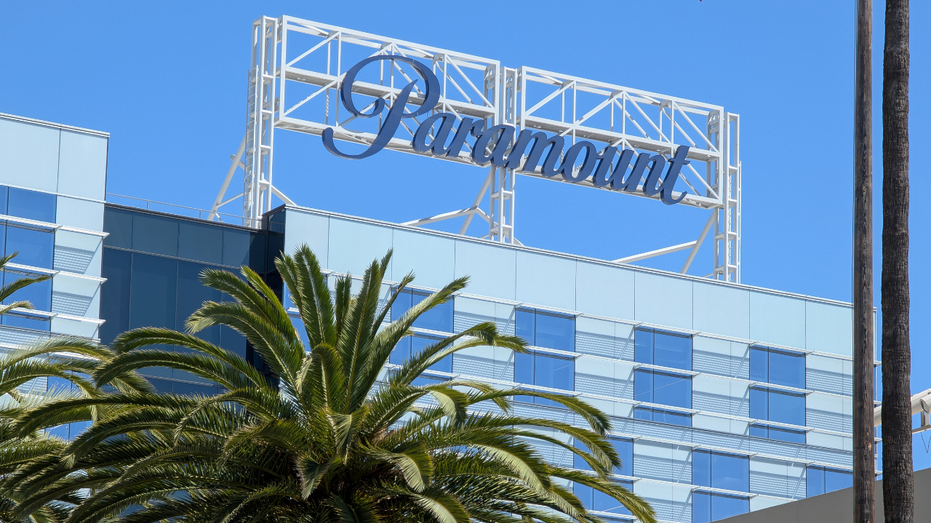
California Attorney General Rob Bonta’s antitrust lawsuit has put Paramount Global in a high-stakes standoff with state regulators as the entertainment industry continues to consolidate. Backed by a coalition of 11 state attorneys general, the legal challenge seeks to halt proposed media consolidation involving Paramount and Warner Bros. Discovery.
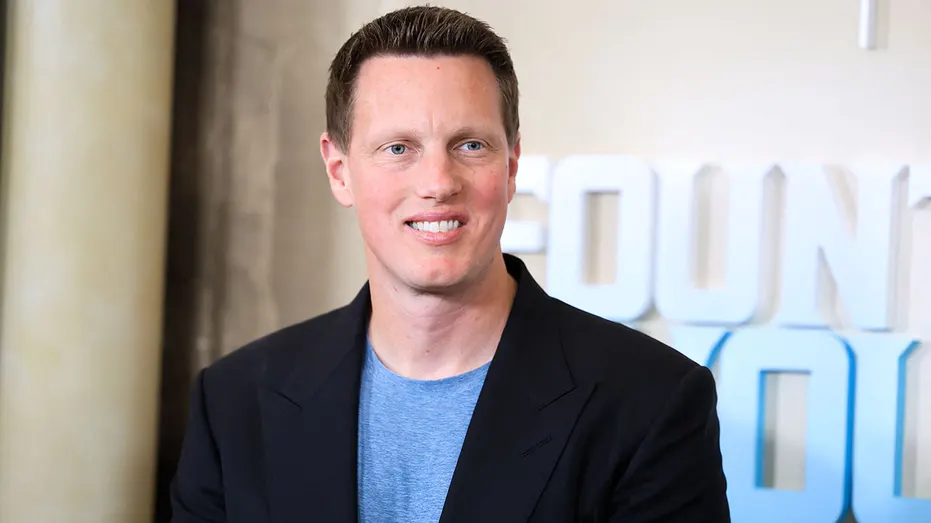
Paramount Chief Executive Officer David Ellison has given state officials an Oct. 1 deadline for reaching a settlement before he considers moving key studio operations out of California. Los Angeles Mayor Karen Bass and Attorney General Bonta were notified that an official departure announcement was being prepared, although no formal declaration has been released.


Corporate scouts from Paramount and Skydance Media have visited Nashville, Tennessee, examining more than 400,000 square feet of potential office and operational space. Commercial property developments in Texas and Georgia are also being evaluated as relocation possibilities, with both states offering competitive business environments and tax incentive programs tailored to media production.
The dispute began in July, when Bonta and his counterpart state attorneys general filed an antitrust lawsuit in federal court against Paramount’s planned transactions involving Warner Bros. Discovery. State prosecutors argue that combining the major media entities would sharply reduce competition in theatrical film distribution and basic cable networks.
The complaint also alleges that the consolidation would weaken the bargaining power of entertainment industry workers and increase costs for consumers using streaming and linear television platforms. Bonta has maintained that California regulators will not abandon their antitrust enforcement duties because of corporate pressure.
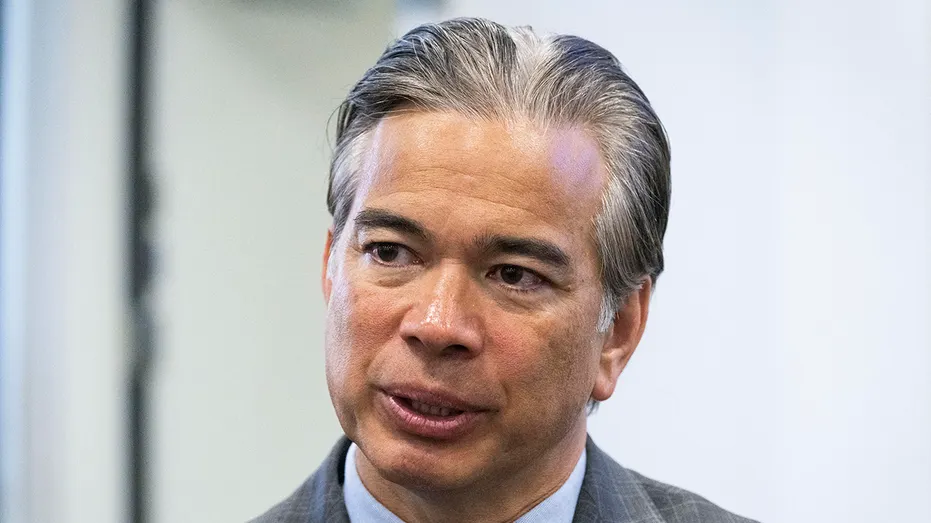
Speaking at The Atlantic Festival in New York and during broadcast appearances, Bonta said the legal review remains focused on statutory compliance rather than corporate threats. “We have a job to enforce the law without fear and without favor,” Bonta said, while adding that state officials remain open to settlement discussions if negotiations take place in good faith.
On the possibility of Paramount leaving California, Bonta said: “If they decide to leave, that’s their independent choice. I’m not asking for it. I don’t want it, obviously, and that responsibility will lay at their feet.” His office reiterated that California officials would prefer to preserve the studio’s century-long presence in Los Angeles, but law enforcement actions would proceed according to the merits of the antitrust case.
Paramount Pictures was established in 1912 by Adolph Zukor and Jesse L. Lasky. It remains the last major legacy film studio physically headquartered within the historic boundaries of Hollywood, on Melrose Avenue. Paramount declined to issue formal comments about the ongoing site-selection reports.
A relocation would potentially reshape Southern California’s film and television infrastructure. Production has increasingly decentralized over recent decades, with Georgia’s Film Tax Credit program and production hubs in Austin and Atlanta drawing significant studio investment away from traditional California lots.
The conflict has attracted attention from Wall Street, public policy organizations, and the entertainment labor sector. Financial commentator Charlie Gasparino has highlighted the regulatory friction confronting the studio’s executive leadership, while actor Mark Ruffalo has publicly urged regulators to block further media market concentration.
Regulatory delays and prospective ownership restructuring under Ellison’s leadership have also created operational uncertainty across corporate divisions, including news outlets such as CNN. Staff members at news organizations within the broader corporate umbrella have been monitoring potential management changes, including reported proposals for an independent editorial board to oversee network operations after any completed corporate integration.










3 Comments