

Paramount Threatens California Exit as $110 Billion Merger Faces Antitrust Fight
Paramount's California standoff escalates before the Oct. 1 deadline
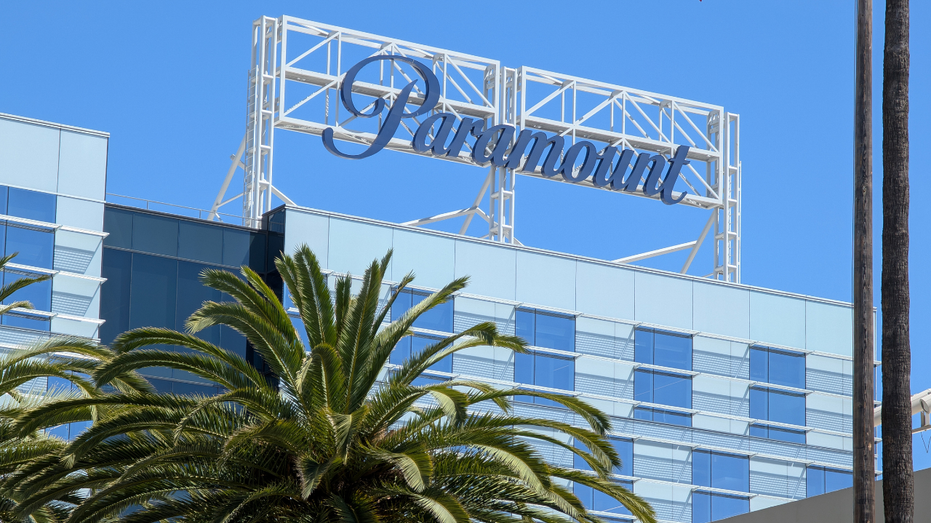
Paramount Pictures is the last of the “Big Five” film studios still physically headquartered within Hollywood proper, occupying its historic Melrose Avenue lot. The prospect of losing the company represents a major economic and symbolic threat to Los Angeles, where Mayor Karen Bass has been working behind the scenes to protect the local entertainment economy.

Bass’ office has emphasized that keeping high-value production and administrative jobs within the city remains a top priority. The mayor is actively fighting to ensure Los Angeles remains the global capital of film and television, even as Paramount Chief Executive David Ellison has threatened to move the legacy studio out of California.


Ellison issued a looming Oct. 1 ultimatum, saying Paramount could relocate its historic operations if state regulators do not withdraw their opposition to the proposed $110 billion merger with Warner Bros. Discovery. The threat has exposed a widening rift between Hollywood’s traditional home and a corporate leadership team willing to consider business-friendly states such as Texas, Georgia, and Tennessee in pursuit of its consolidation goals.
Real estate tracking indicates that Paramount is actively scouting office space in Nashville, Tennessee. Reports also emerged this week that the company was poised to announce its formal exit from California, with sources saying officials in both Los Angeles Mayor Karen Bass’ office and California Attorney General Rob Bonta‘s office had been alerted to a pending announcement. The Tuesday announcement did not materialize, prompting speculation about a delay or a last-minute shift in strategy.
At the center of the dispute is a major antitrust lawsuit filed in July by Attorney General Bonta, who is leading a coalition of 12 state attorneys general. The coalition argues that combining Paramount with Warner Bros. Discovery would severely stifle competition and give a single corporate entity unprecedented market dominance over theatrical film distribution and basic cable programming. A trial date has been set for March, while settlement negotiations remain ongoing.

Bonta’s office has remained steadfast in the face of the relocation threats. In a statement, the office said Paramount has repeatedly threatened to exit the state despite its public messaging about a commitment to Hollywood. It also said regulatory oversight would not be compromised by corporate pressure, that antitrust protections would continue to be enforced, and that the office remained open to good-faith negotiations. The decision to stay or leave, Bonta’s office maintained, is entirely within Paramount’s purview.
The pressure extends beyond California. Georgia has spent years building infrastructure to challenge California’s entertainment dominance and offers lucrative film tax credits of up to 30%, helping turn Atlanta into a massive production hub. Texas has recently increased its state-funded media production incentive programs to attract corporate headquarters, while Tennessee—particularly Nashville—has positioned itself as a lower-cost, business-friendly corporate destination.
The regulatory battle is also unfolding on the federal stage. Skydance Media, described as Paramount’s parent-to-be, has taken a different approach to clearing regulatory hurdles. In filings and communications with the Federal Communications Commission under the Trump administration, Skydance outlined plans to overhaul operations in line with shifting federal priorities. Those plans include eliminating diversity, equity, and inclusion (DEI) initiatives at Paramount and establishing an independent ombudsman for CBS News to address concerns over editorial objectivity.
That federal posturing, aimed at smoothing the transition under federal oversight, contrasts with the state-level resistance led by Bonta and progressive coalition states. The deal has also drawn public pushback from prominent industry figures. Actor and activist Mark Ruffalo has urged regulatory authorities to halt the merger, warning about the dangers of consolidated media ownership, while financial analyst Charlie Gasparino continues to scrutinize the shifting dynamics of the regulatory environment. As the Oct. 1 deadline approaches, the outcome of the dispute could redefine the geographic and economic boundaries of the modern entertainment industry.









