

Meta’s Luna Smart Glasses Drop Cameras to Make AI Wearables Easier to Wear
Luna removes cameras as Meta targets privacy concerns with voice-only smart glasses
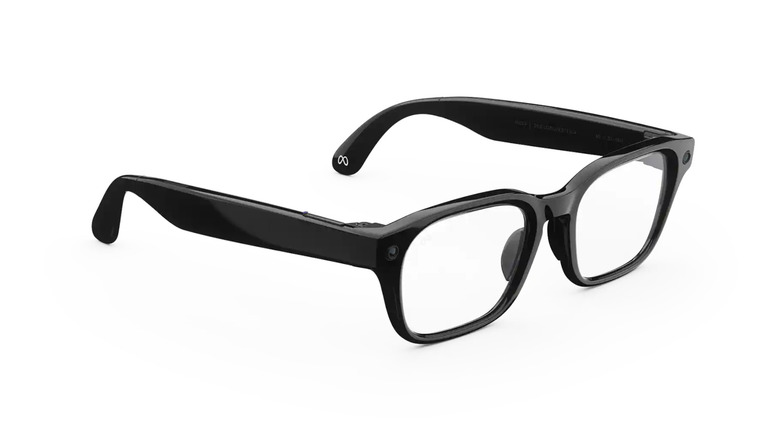
MENLO PARK, Calif. — Meta Platforms Inc. is preparing a new line of smart glasses that removes digital video cameras entirely and focuses on voice-driven artificial intelligence. Code-named “Luna,” the device is intended to address public pushback and privacy concerns surrounding camera-equipped eyewear, according to a report by *The Information*.
Meta is slated to unveil Luna during its annual Connect developer conference on Sept. 23 and Sept. 24. Commercial shipments could begin as early as October, while the glasses are expected to arrive in two frame styles called “Clubmaster” and “Burbank,” both modeled after classic eyewear designs.
The camera-free design follows criticism of Meta’s existing video-recording eyewear, including the second-generation Ray-Ban Meta smart glasses released in late 2023. Critics and privacy advocates have called camera-equipped frames “pervert glasses,” citing concerns that they can be used to secretly record, harass, or track people in public and private spaces without consent.


Luna is being developed as a hands-free audio interface for Meta AI, the company’s conversational artificial intelligence assistant. Users will be able to activate it with a dedicated physical button mounted on the side of the temple.
Removing the camera sensor and related visual processing components allowed engineers to create slimmer frame arms, known as temples. The resulting design is intended to more closely resemble standard optical frames, rather than recording hardware.
Voice interaction will rely on six built-in microphones. The array is designed to capture clear commands while filtering out ambient noise, and directional, open-ear micro-speakers embedded in the frame arms will send audio toward the wearer’s ears.
Meta’s decision follows the company’s earlier attempt to address voyeurism concerns through a front-facing light-emitting diode, or LED, on its camera-equipped frames. The privacy LED is designed to illuminate and blink continuously whenever the camera is recording video.
Users nevertheless found hardware workarounds, including taping over, painting, or physically tampering with the light. In August, Meta deployed a software patch to close a loophole that allowed recording to begin before the LED was covered. The updated firmware automatically stops video recording when the light sensor detects that the LED has been obscured.
Consumer discomfort over covert recording has continued to limit market penetration. Meta aims to reach people who avoid wearing smart glasses because of social stigma or personal privacy objections, while Luna’s lack of a camera also avoids legal restrictions in places where recording devices are prohibited, including corporate facilities, government buildings, locker rooms, and fitness centers.
Resistance to camera-integrated eyewear stretches back to Google Glass, whose 2013 launch prompted widespread debates over public recording. Numerous businesses, bars, and theaters subsequently banned the technology. Privacy concerns intensified in 2024 after researchers demonstrated that camera-equipped smart glasses could be paired with real-time facial recognition tools and public database software to identify strangers in public and display sensitive personal details, including home addresses.
The camera-free glasses will compete with audio-only smart frames such as Amazon.com Inc.’s Echo Frames, which rely entirely on voice assistant capabilities without visual capture hardware. Meta’s existing smart eyewear line was developed in partnership with global optics manufacturer EssilorLuxottica SA.







One Comment