Diesel Hits $6.20 as Global Fuel Squeeze Tests Trump’s Midterm Message
Global shipping disruptions and refinery losses push U.S. diesel prices to $6.20

U.S. diesel prices have reached an unprecedented national record of $6.20 per gallon as escalating global conflicts create a severe supply squeeze. The increase presents a major economic challenge for the country’s supply chain and a critical political test for the Republican Party ahead of the upcoming midterm elections.
AAA data shows diesel averaged $3.69 per gallon in January 2025. Unlike standard gasoline, which consumers typically monitor at the pump, diesel powers the heavy machinery, commercial transportation, and agricultural infrastructure that underpin the American economy.
The logistics sector is already feeling the pressure. Class I freight railroads, long-haul trucking companies, and last-mile delivery operations rely almost exclusively on diesel to transport goods. Rising fuel costs routinely lead shipping companies to impose fuel surcharges that are eventually passed down to retailers.


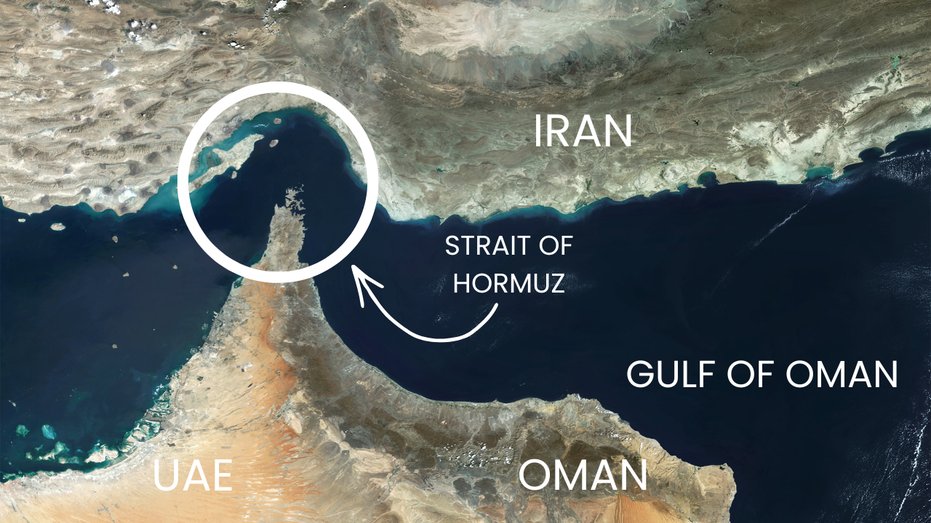
One of the two major geopolitical bottlenecks is the ongoing military conflict between the United States and Iran, which has severely disrupted commercial shipping lanes in the Strait of Hormuz. Located between Oman and Iran, the strait is the world’s most critical maritime energy chokepoint and carries approximately 20 percent of the global petroleum liquid supply.
Constant security threats in the waterway have forced tankers to take longer, more expensive routes. The disruption has driven up insurance premiums while tightening the global availability of crude oil and refined products.
At the same time, Ukrainian drone strikes targeting domestic Russian oil refineries have knocked out significant refining capacity across Russia. Russia has restricted its own diesel exports in response to reduced refining capabilities and domestic fuel pressures.
Europe and global markets rely heavily on Russian distillates. The export restrictions have triggered a worldwide scramble for alternative diesel supplies, putting immense pressure on U.S. refineries to export fuel and driving domestic inventories down and prices up.
Bernard Yaros, lead U.S. economist for Oxford Economics, said diesel’s importance is often overlooked because gasoline prices are more visible to consumers.
“We all focus on gasoline because, ultimately, we’re consumers and pump prices are very visible. But what we don’t think about is the price of diesel, which is the workhorse fuel for the U.S. economy and especially for key sectors,” Yaros said.
According to Yaros, the agricultural sector is particularly vulnerable to diesel price fluctuations. “Take the food industry, for instance. Diesel powers the irrigation pumps, the tractors in the field and the trucks that bring food from the farm to your local grocery store,” he said. “It’s part of every layer of food production in the U.S.”
Fuel surcharges affect the cost of basic consumer goods, including supermarket groceries, building materials for home construction, and e-commerce deliveries. Economists warn that because diesel is integrated into nearly every stage of production and distribution, the price increase will act as a hidden tax on consumers.
The record-high diesel prices arrive as the political battle for control of Congress intensifies ahead of the November 2026 midterm elections.

President Donald Trump and congressional Republicans have centered their campaign platform on restoring economic affordability and reducing domestic energy costs. Persistent upward pressure on energy markets has complicated the administration’s messaging.
Trump has repeatedly pledged to drive energy costs down, while acknowledging that global oil market disruptions could keep fuel prices elevated in the near term. He has predicted that gasoline prices will drop below $2.00 a gallon after the midterm elections are concluded.
If diesel prices remain near historic highs, inflationary pressure on consumer goods could persist regardless of retail gasoline trends.
The White House did not immediately respond to requests for comment regarding administrative strategies to address the escalating distillate costs or potential coordination with international partners to stabilize energy shipping lanes.