
Why Apple Still Sells $19 EarPods in the AirPods Era
The wired EarPods features AirPods cannot replace
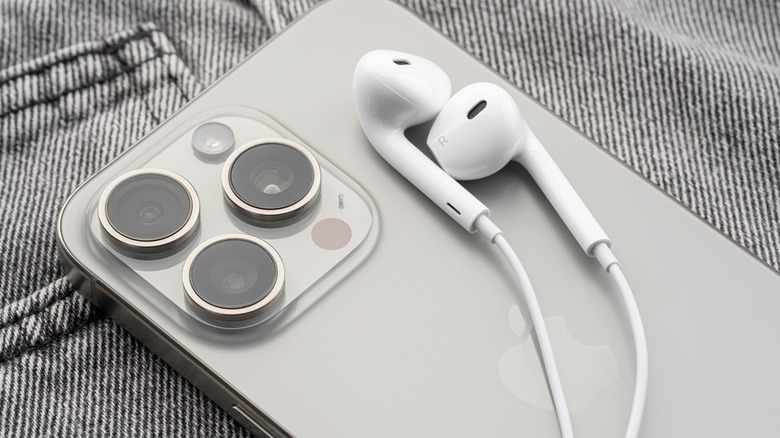
CUPERTINO, Calif. — Apple Inc. continues production and retail sales of its $19 wired EarPods as the personal audio market increasingly emphasizes wireless active noise cancellation, biometric health monitoring, and spatial sound processing.
The wired accessory remains part of Apple’s hardware portfolio nearly a decade after the wireless AirPods line launched in 2016. Wireless models now include workout heart-rate tracking, live translation, and computational noise suppression, while the continued use of wired hardware reflects technical and operational trade-offs between Bluetooth and physical connection standards.
The history of Apple’s wired earphones reaches back more than two decades. The current EarPods shape arrived in September 2012 with the iPhone 5, replacing the rounded white earbuds bundled with the iPod in 2001. Apple developed the design using three-dimensional scans of human ear geometry, without flexible silicone tips, to fit a wide range of ear shapes.


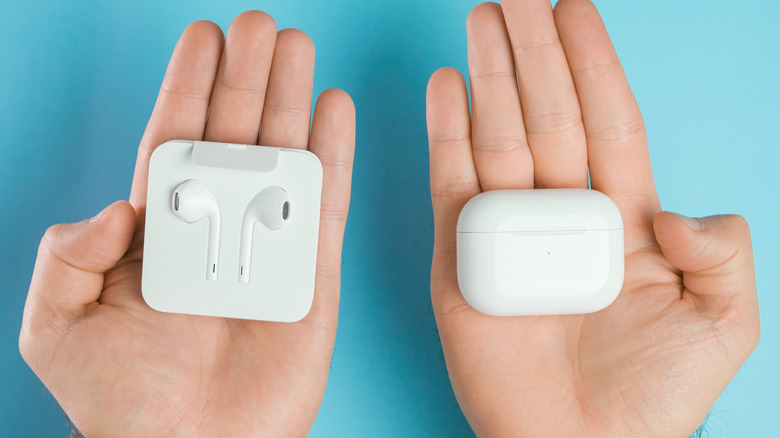
For years, Apple included EarPods with every standard iPhone. That changed in September 2016 with the iPhone 7, which eliminated the dedicated 3.5mm headphone jack and came with Lightning EarPods and a 3.5mm-to-Lightning adapter. In October 2020, when Apple introduced the iPhone 12 series, the company stopped including EarPods and power adapters in iPhone packaging, citing efforts to reduce electronic waste and packaging volume.
EarPods also remain the lowest-cost entry point in Apple’s audio lineup. Base-model wireless AirPods start at $129, while higher-tier products reach $249 for AirPods Pro and $549 for AirPods Max. Apple Support charges at least $69 to replace one lost or damaged AirPod, more than three times the price of a complete pair of EarPods.
Wireless audio depends on Bluetooth protocols that compress audio data and introduce transmission latency. Apple’s proprietary H1 and H2 wireless chips have significantly reduced latency and improved stability, but wired signals travel uncompressed directly from the source device, without radio frequency interference or pairing handshakes.
The difference is also evident in microphone performance. When Bluetooth earbuds activate their internal microphones for two-way communication, the Bluetooth profile typically switches to a lower-bandwidth speech codec to handle simultaneous transmission and reception. EarPods instead use an analog or direct digital inline microphone channel, providing clearer voice capture without codec downsampling.
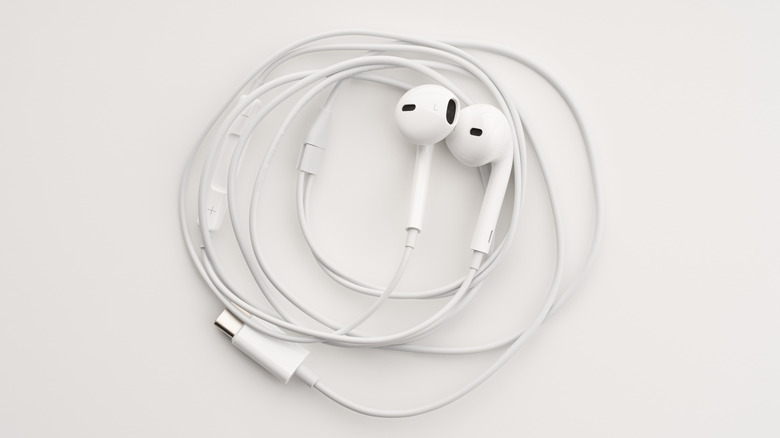
That makes wired earplugs a standard fallback for high-stakes voice calls, remote meetings, and gaming sessions in which battery depletion or a dropped signal creates a risk. EarPods draw minimal power directly from the host device, so they require no internal lithium-ion batteries, do not experience battery degradation over time, and need no regular charging cycles.
Apple currently sells EarPods in three physical configurations to maintain compatibility as device hardware standards change. The 3.5mm Headphone Plug version is designed for traditional audio jacks, legacy devices, flight entertainment systems, and studio equipment. The Lightning Connector model works with older iPhone models from iPhone 5 through iPhone 14 and with entry-level iPads.
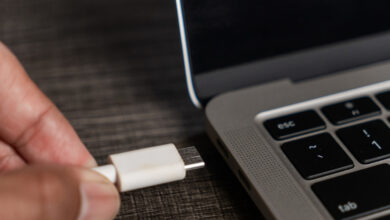
The USB-C Connector version was released in September 2023 alongside the iPhone 15 line and current Mac and iPad models, following European Union regulations mandating universal USB Type-C ports.
The main physical limitation of modern wired EarPods is port availability. Current iPhones and iPads lack a dedicated 3.5mm jack, so connecting USB-C or Lightning EarPods occupies the device’s sole physical port. Users therefore cannot charge the device and listen to wired audio simultaneously without pass-through adapter splitters.
Even with that limitation, the absence of battery constraints, lower cost, and plug-and-play architecture continue to secure EarPods a permanent position in Apple’s commercial accessory inventory.