Trump Promised No Strike Before Nov 3. Netanyahu Can’t Wait Past Oct 27
The IRGC says seven vessels were hit overnight and Brent crude topped $112 — but every player's next move is parked on a calendar date. Here are the four clocks, the stakes attached to each, and what happens when they run out.
Nobody is fighting the Iran war this week. They’re scheduling it.
Four dates are doing the work that offensives used to do. Monday, October 26: Egypt‘s parliament votes on whether to authorize its military to back Saudi Arabia. Tuesday, October 27: Israelis elect a new Knesset, with Benjamin Netanyahu‘s future on the ballot. Tuesday, November 3: America’s midterms, before which Donald Trump has publicly promised no new strike on Iran. And then there’s a fourth date that exists only conditionally: the sixth day after Washington accepts Tehran’s terms for reopening the Strait of Hormuz, a day nobody has agreed to schedule.
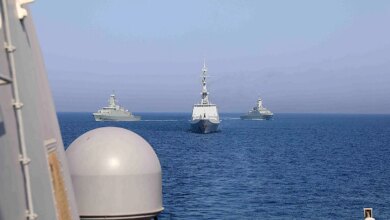
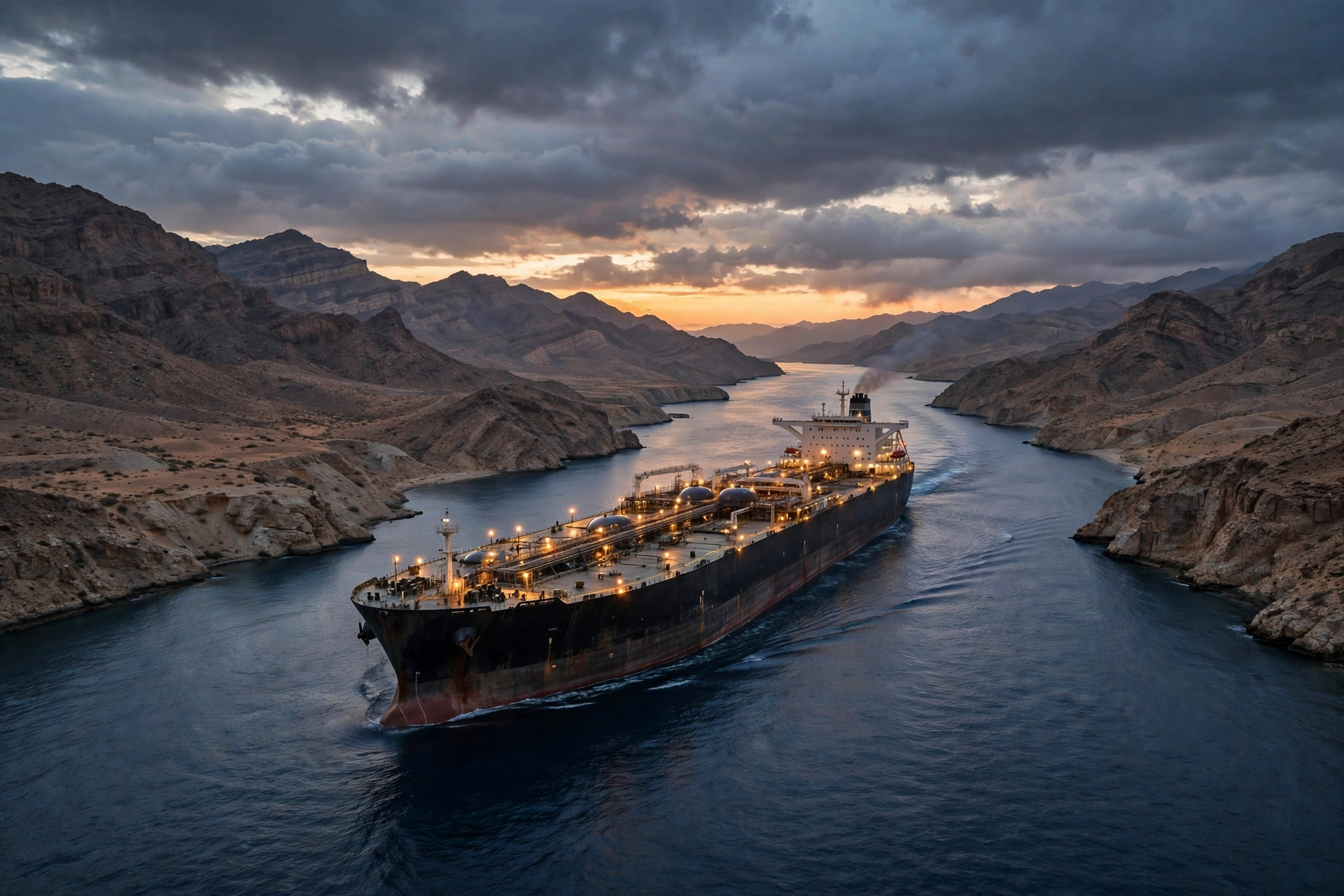
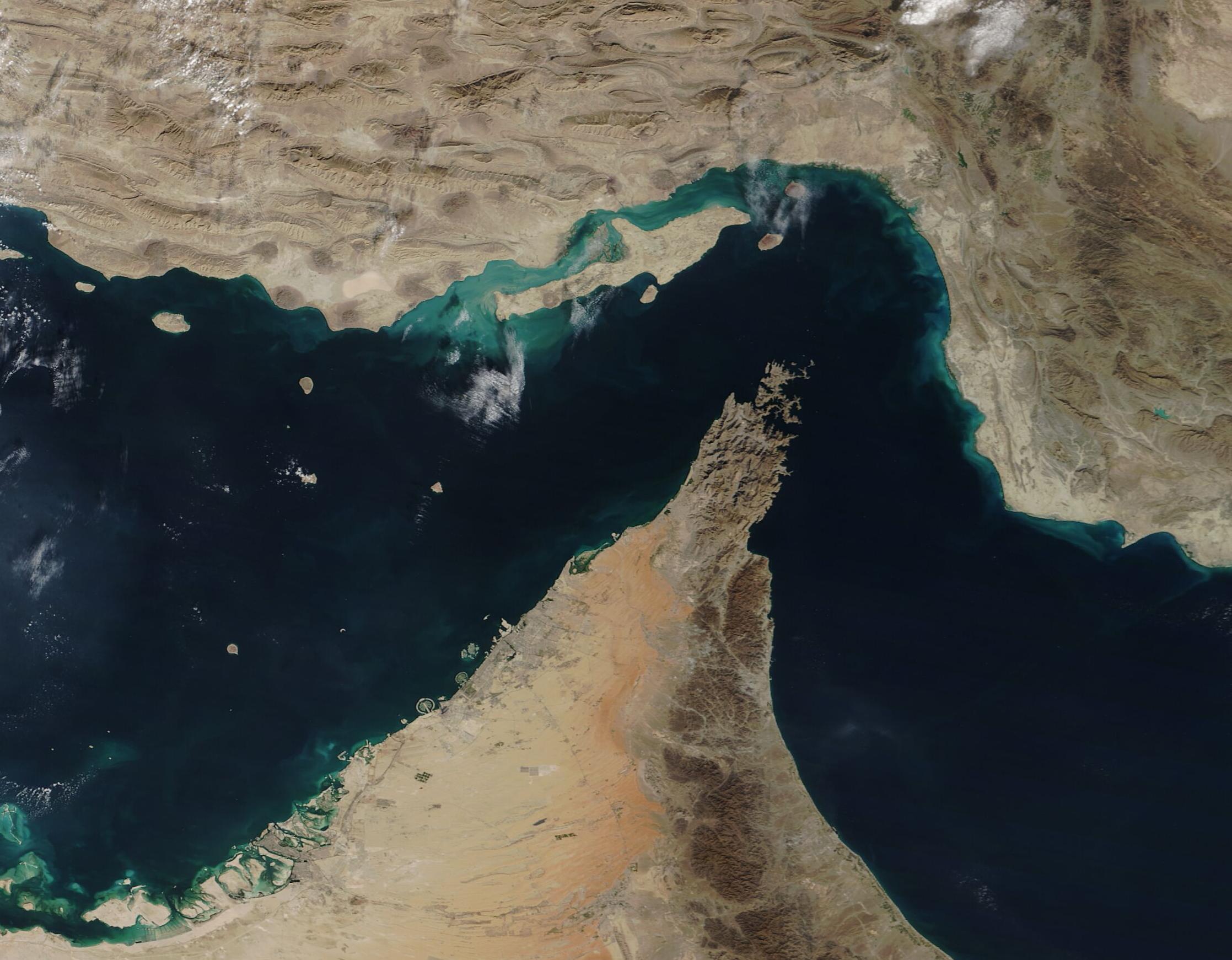
Tehran’s overnight move fits inside this choreography, not outside it. Iran’s state television, citing the Revolutionary Guard’s navy, said seven vessels were hit in or near the strait: four tankers “attacked simultaneously” while transferring oil ship-to-ship in the northern Gulf, three more stopped by naval mines west of the strait. The IRGC named no flags, no owners, no precise locations, and warned that American attempts to guide ships through what it called “illegal passages” could bring retaliation against US bases in the region. The British maritime monitor UKMTO reported none of it, and the US Fifth Fleet had no immediate comment. If verified, it would be the heaviest single-day vessel toll in the strait since the war began on February 28. The “if” is doing a lot of work, and Tehran knows its audience reads the calendar too.


Egypt’s parliament votes Monday on whether to authorize the armed forces to support Saudi Arabia if Riyadh asks — after Houthi attacks on the kingdom’s airports and Aramco facilities. The constitution demands a two-thirds majority for sending troops abroad on combat missions, and the Egyptian Social Democratic Party has already told its lawmakers to abstain, saying parliament was given no clear picture of the mission’s objectives, duration, cost, or risks. The hesitation has a price tag in both directions: a $5.3 billion Saudi deposit at Egypt’s central bank falls due this month, while Suez Canal revenue, bled by Red Sea shipping diversions, collapsed from a record $10.25 billion in 2023 to under $4 billion last year. Cairo is deciding how much of that it can afford to gamble, and it has four days.
Israel votes Tuesday in its first general election since October 7, 2023 — and the polls put Netanyahu’s bloc at 51 to 53 seats against 53 to 55 for the opposition, both short of the 61 needed to govern. The Financial Times reported this week that Netanyahu ordered the air force in early October to prepare large-scale strikes on Iran, executable as early as October 10, and that Trump blocked the operation before the midterms. Netanyahu called the report “biased and untrue,” but the leak itself was read in Jerusalem as election warfare, a suggestion that he was ready to hit Iran a third time and Washington stopped him. A prime minister trailing in the polls, facing voters in five days, with the FT’s blocked-strike report hanging over him: that’s a man with every incentive to look like the one person in this war who isn’t waiting.
The pledge went up on Truth Social this week, the second time he’s made it. “I want to make it clear to everybody that, while Iran is in very bad condition, both Economically and Militarily, and while the Blockade will remain in full force and effect…we will not be attacking Iran at any time prior to the Midterm Elections,” he wrote, adding that “we are having productive discussions with the Islamic Republic of Iran.” He’d said the same on October 8. The reason is arithmetic, not temperament. A Pew Research Center survey this month found 65% of Americans disapprove of his handling of the Iran war against 33% who approve, and 47% expect it to grind on for more than another year. Gasoline prices have jumped by up to 50% in some states since February, and 71% of voters call gas unaffordable. Behind the pledge, the Pentagon has still directed Central Command to prepare options for resuming major operations, and Trump told TIME a post-midterm expansion was “likely” or at least “possible.” The promise holds until November 3. Nobody in Washington is pretending it holds a day longer, least of all the third carrier group now steaming toward the region.
In Baghdad on Sunday, Araghchi told Iranian media the seven-day proposal was still on the table: accept Iran’s conditions (lift the blockade on Iranian ports, lift the oil sanctions, end hostilities on all regional fronts) and the strait reopens on the sixth day, with talks resuming on the seventh. “Our situation is clear and based on the seven-days proposal presented to the US,” he said. “If there is any honesty on the US part, which there isn’t, the way to reopening the Strait of Hormuz is obvious.” The sequencing is the deadlock in miniature: Washington wants Iran’s nuclear program on the table from the first minute (Vice President JD Vance demands a “meaningful” cut in enrichment) while Tehran wants the strait first and the atom later. “Not a single gram of enriched uranium will be removed from Iran,” security chief Mohsen Rezaei wrote on X. So the sixth day stays theoretical, and the strait stays mined, or mined-adjacent, or at least mined in the telling.
The Americans think Tehran is watching their clock. American officials believe Tehran is trying “to preserve its regime by enduring until after the US midterm elections,” Al Jazeera reported this week: the war of attrition as a waiting room. Tehran’s version is that Washington is the one stalling, holding the blockade while the calendar does its work. Both can be true at once. That’s what makes the next twelve days the actual battlefield. It isn’t the strait. The oil still moves, about four-fifths of pre-war volume by recent shipping counts, and Brent at $112.27 is pricing the risk rather than the shortage. It’s the calendar. On Monday, Cairo decides whether Egypt enters. On Tuesday, Israeli voters decide whether Netanyahu survives. On November 3, Trump’s promise expires on schedule. And the sixth day, the one nobody has scheduled, decides whether any of this ends at a table or on a carrier deck.
November 4 is the day with nothing on it yet. That’s the one to watch.