Chinese Car Brands Reshape UK Market as Geely Joins Rapid Sales Surge
Geely's September surge highlights accelerating shift as Chinese marques claim 8.3% of 2026 registrations
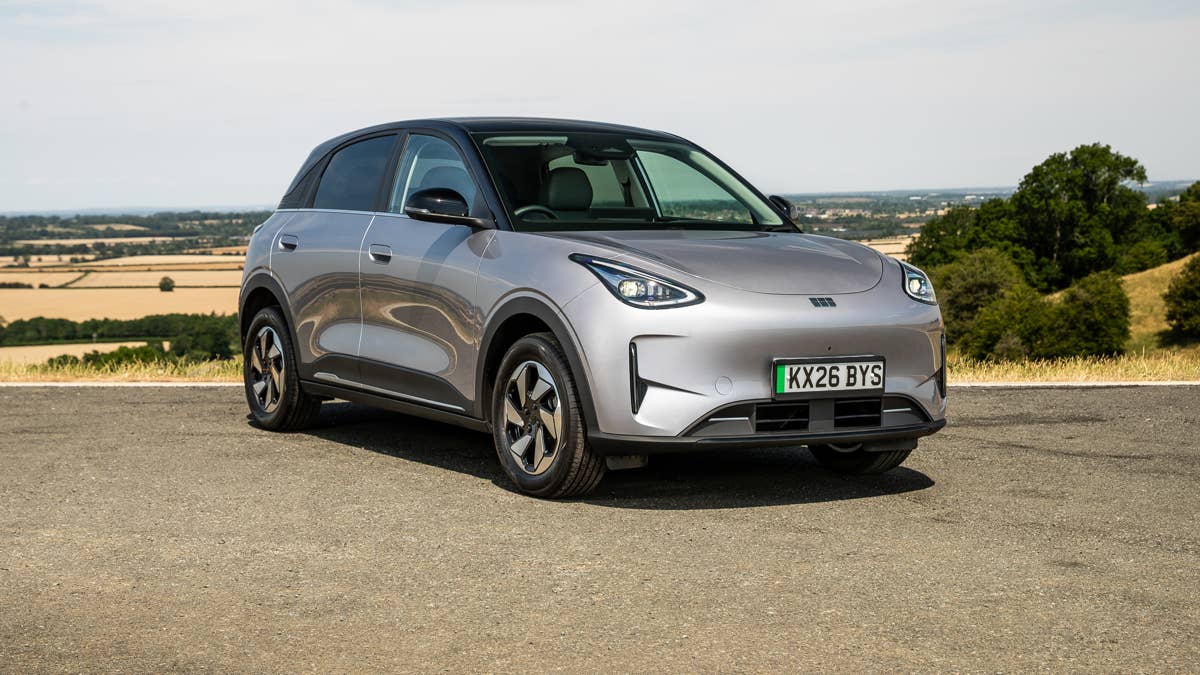
Chinese automakers are rewriting the UK new-car market at a pace that has caught established brands off guard. Geely registered 5,155 vehicles in September, its 11th month of British sales, leapfrogging Mazda and Honda, according to Society of Motor Manufacturers and Traders data. The milestone underscores a broader shift: Chinese marques now hold multiple spots in the UK’s top 20 brands by volume, a scenario barely imaginable three years ago.
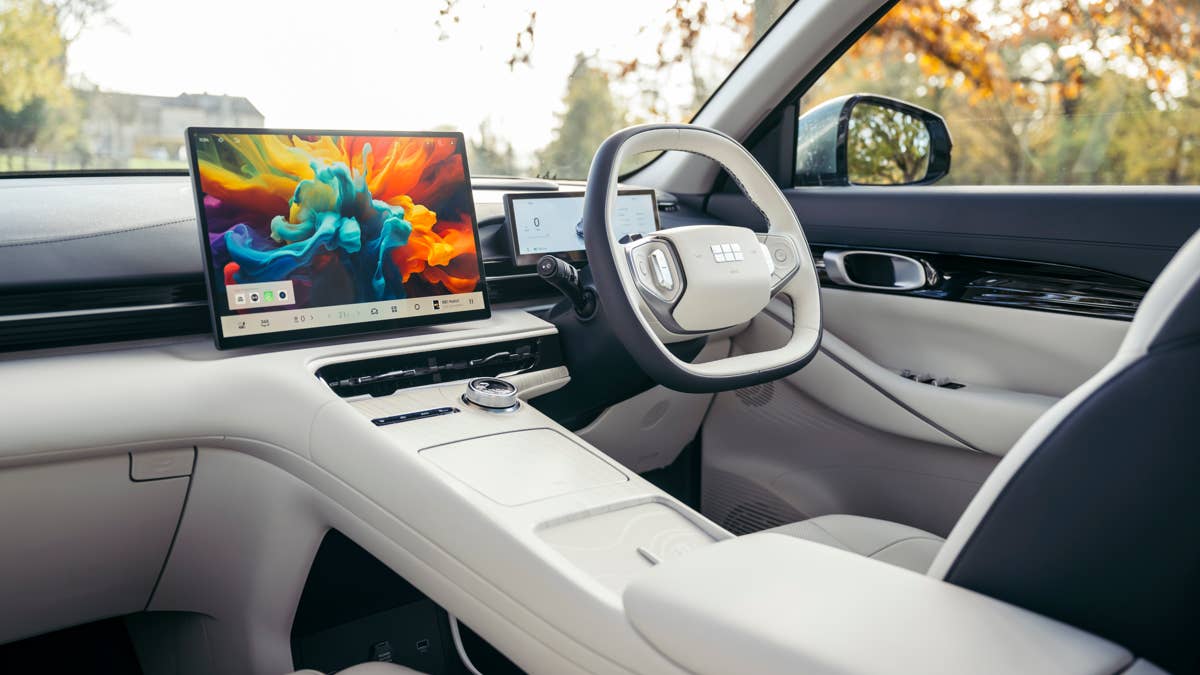
MG, owned by SAIC, has led the charge since 2019, consistently outselling several European legacy brands. BYD entered in 2023 and reached 10,000 annual registrations within 14 months. Ora, GWM, and now Geely have followed, each compressing the timeline from market entry to meaningful volume. Geely’s September tally of 5,155 units — 1.47 percent of the 350,536 total — came from just three models: the EX5 electric SUV launched in October 2025, the smaller EX2, and the Starray EM-i plug-in hybrid.

The speed reflects a deliberate strategy. Unlike earlier Chinese entrants that relied on importers, Geely, BYD, and GWM have built or acquired dealer networks directly. Geely’s agreement with Lithia’s Evans Halshaw chain for 100 outlets — signed before all are operational — mirrors BYD’s partnership with Pendragon and GWM’s deal with Lookers. These arrangements give Chinese brands immediate access to prime retail locations and established aftersales infrastructure, removing the biggest barrier to consumer trust.
Established brands are responding. Ford and Vauxhall have cut prices on electric models to defend fleet share. Renault and Peugeot have accelerated EV launches. Japanese brands face particular pressure: Mazda’s 4,417 September registrations and Honda’s 4,149 represent year-on-year declines of 18 and 22 percent respectively, SMMT figures show. Both lack a competitive electric SUV in the £30,000-£40,000 bracket where Geely’s EX5 and BYD’s Atto 3 now dominate.
Fleet buyers, who drive roughly 55 percent of UK registrations, are accelerating the shift. Corporate tax incentives favor zero-emission vehicles, and Chinese brands offer the widest choice below £40,000. Geely’s EX5 qualifies for the 2 percent benefit-in-kind rate through 2028, a decisive factor for company-car selectors. The Starray EM-i plug-in hybrid adds a sub-50g/km CO2 option for drivers not ready for full electrification.
The competitive pressure extends to residuals. CAP hpi data shows the MG4 and BYD Atto 3 now hold three-year residual values within five percentage points of the Volkswagen ID.3 — a gap that has halved since 2023. Geely’s residuals are too new to track, but the brand’s seven-year, 100,000-mile warranty matches MG’s and exceeds most European rivals, a signal to leasing companies that underpins future values.
Political risk remains. The EU’s anti-subsidy investigation into Chinese EVs led to tariffs of up to 35.3 percent on top of the standard 10 percent duty. The UK, outside the EU, has not imposed equivalent measures. Trade policy analysts at the Institute for Government note that a UK investigation would take 12-18 months, during which Chinese brands continue expanding. Geely’s UK managing director, Andy An, told Autocar in August that the company is evaluating local assembly to mitigate tariff exposure.
For now, the market share trajectory is clear. Chinese brands collectively accounted for 8.3 percent of UK registrations in the first nine months of 2026, up from 4.1 percent in the same period last year, per SMMT. Geely’s arrival adds another competitor with the scale, product range, and dealer reach to sustain that growth. The question for established brands is no longer whether Chinese makers will gain share, but how quickly the remaining gaps — brand awareness, used-car liquidity, service depth — will close.