TSA Checkpoint Bins Harbor Pathogens as CT Scanner Rollout Lags
Federal cleaning standards absent as 300 lanes get 3D scanners
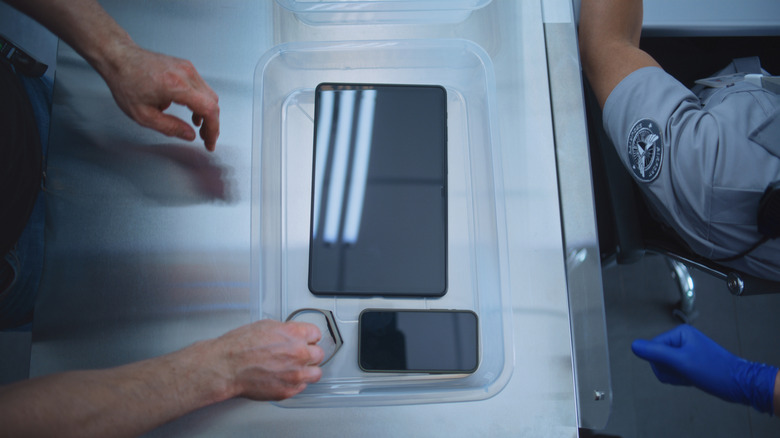
Plastic security bins at U.S. airport checkpoints remain a largely unaddressed vector for pathogen transmission, even as the Transportation Security Administration slowly deploys computed tomography scanners that could eliminate the need for bins altogether.
Studies cited by the Centers for Disease Control and Prevention have identified security trays as surfaces harboring respiratory viruses, including influenza and coronaviruses, along with fecal bacteria. A 2018 study published in BMC Infectious Diseases found that half the security trays sampled at a major European airport tested positive for at least one respiratory virus.
The TSA screens roughly 2.4 million passengers daily across 430 federalized airports. Each passenger typically uses two to three bins. The agency does not mandate a standardized cleaning schedule for bins, leaving disinfection frequency to individual airport authorities and checkpoint contractors.

“There is no federal requirement for how often bins must be sanitized,” a TSA spokesperson confirmed. “Cleaning protocols are determined locally.”
CT scanners, which generate 3D images of carry-on contents and allow laptops, tablets, and liquids to remain inside bags, have been installed at approximately 300 lanes nationwide as of October 2024. The agency aims to equip every checkpoint lane with CT technology, but supply chain constraints and facility modification requirements have slowed deployment.
Until CT coverage is universal, passengers must still place phones, wallets, keys, and larger electronics into bins that may have handled contaminated shoes, belts, and outerwear moments earlier. Public health experts recommend storing small items inside carry-ons or jacket pockets before reaching the conveyor belt and using hand sanitizer immediately after screening.
The TSA’s fiscal 2025 budget request includes $187 million for checkpoint technology upgrades, including additional CT units. Congress has not yet enacted the appropriation.