Subaru Surrenders Europe to Toyota EVs After Boxer Ban
Stricter EU emission standards force the automaker to replace its entire combustion lineup with Toyota-platform EVs by 2028.
Europe’s tightening emissions regulations are forcing smaller automakers into a stark choice: abandon their engineering identity or exit the market. Subaru has chosen the former. By the end of 2027, the Japanese manufacturer will stop selling every combustion-engine vehicle on the continent, according to German publication Auto Motor und Sport, which obtained confirmation from Subaru Germany.
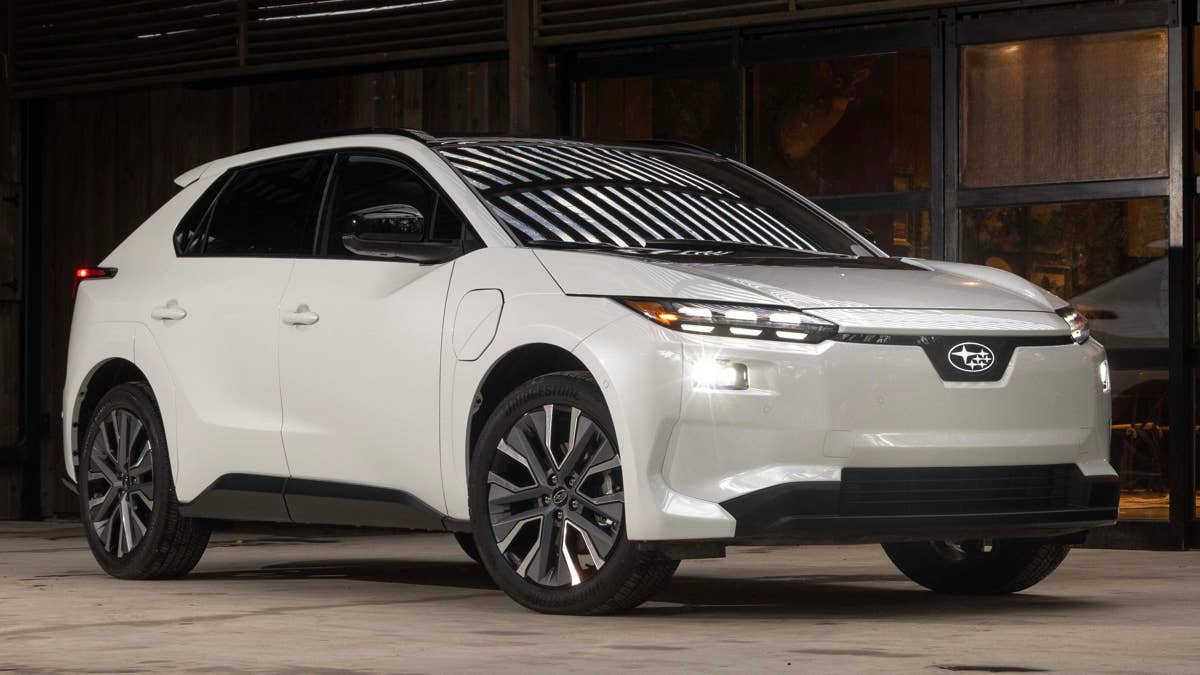
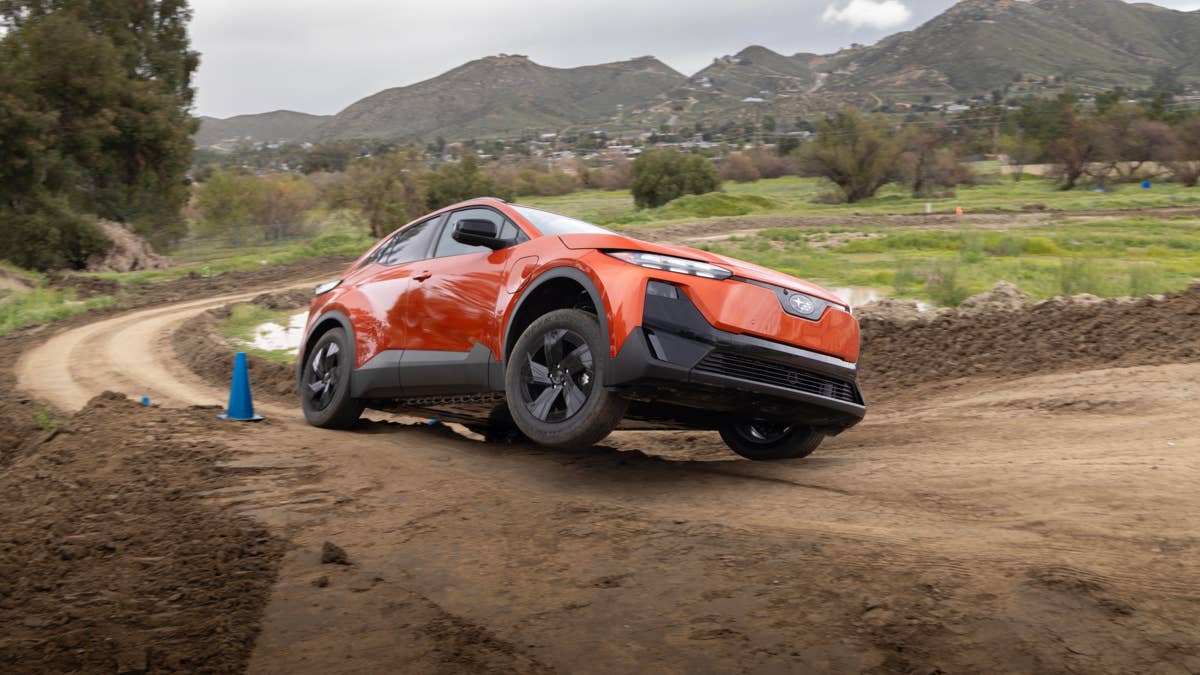
The decision effectively hands control of Subaru’s European future to Toyota. Starting in 2028, the only models carrying the Subaru badge in Europe will be the Solterra, E-Outback, and Uncharted SUV Coupe — all built on Toyota platforms using Toyota electric vehicle technology shared with the bZ4X, bZ4X Touring, and C-HR+. For a brand that built its global reputation over decades on the horizontally opposed boxer engine, relying entirely on a partner’s architecture represents a fundamental shift in how it operates overseas.
Subaru cited the European Union’s stricter emission standards alongside new requirements for driver assistance and safety systems as the primary reasons for the withdrawal. Homologating vehicles to meet these rules demands significant capital. Manufacturers without massive regional sales volumes often find the math doesn’t work, a reality that has pushed several niche brands out of the EU in recent years.
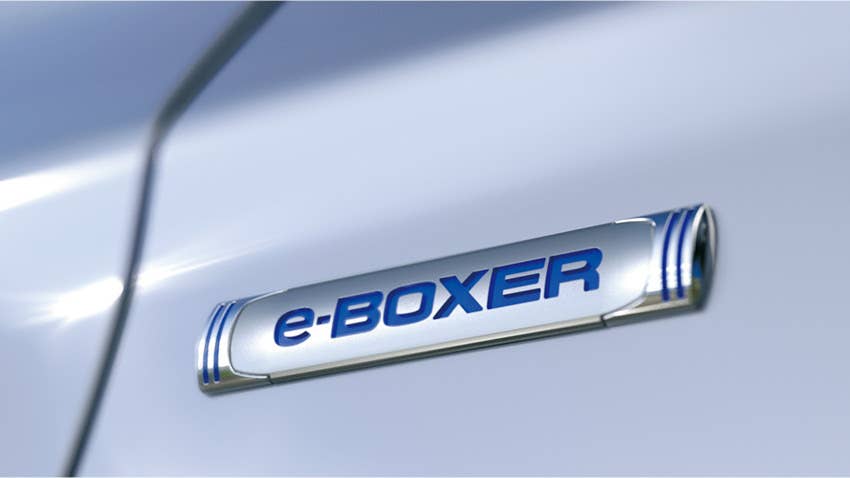
The financial exposure is concentrated heavily in Germany, where Subaru confirmed the phase-out first. According to a separate report by AutoNext, internal combustion boxer engines accounted for 81% of Subaru Germany’s sales. The naturally aspirated 2.5-liter Outback is the first model scheduled for elimination, followed by the e-Boxer mild-hybrid versions of the Impreza, Crosstrek, and Forester. Electric registrations for the Solterra and Uncharted currently make up the remaining 19% of the brand’s volume in the country.
Subaru does produce full hybrid models for other regions, including the United States, where consumer demand and regulatory frameworks differ significantly from Europe’s. Whether those conventional hybrids could bridge the gap before the 2028 deadline remains unclear. The company has not confirmed plans to introduce them to the EU market.
Other low-volume manufacturers have faced identical pressure under Euro 7 development timelines and updated General Safety Regulation mandates, frequently opting to restrict their European lineups rather than fund complete redesigns. Subaru’s approach goes further. Instead of trimming offerings, it is replacing its entire mechanical portfolio with battery-electric vehicles engineered by its largest shareholder.