Rivian’s Real Growth Engine Isn’t the R2 — It’s the Amazon Van Contract Nobody Talks About
Commercial fleet deliveries outpace R2 launch as Rivian passes Hyundai and Chevrolet in U.S. registrations
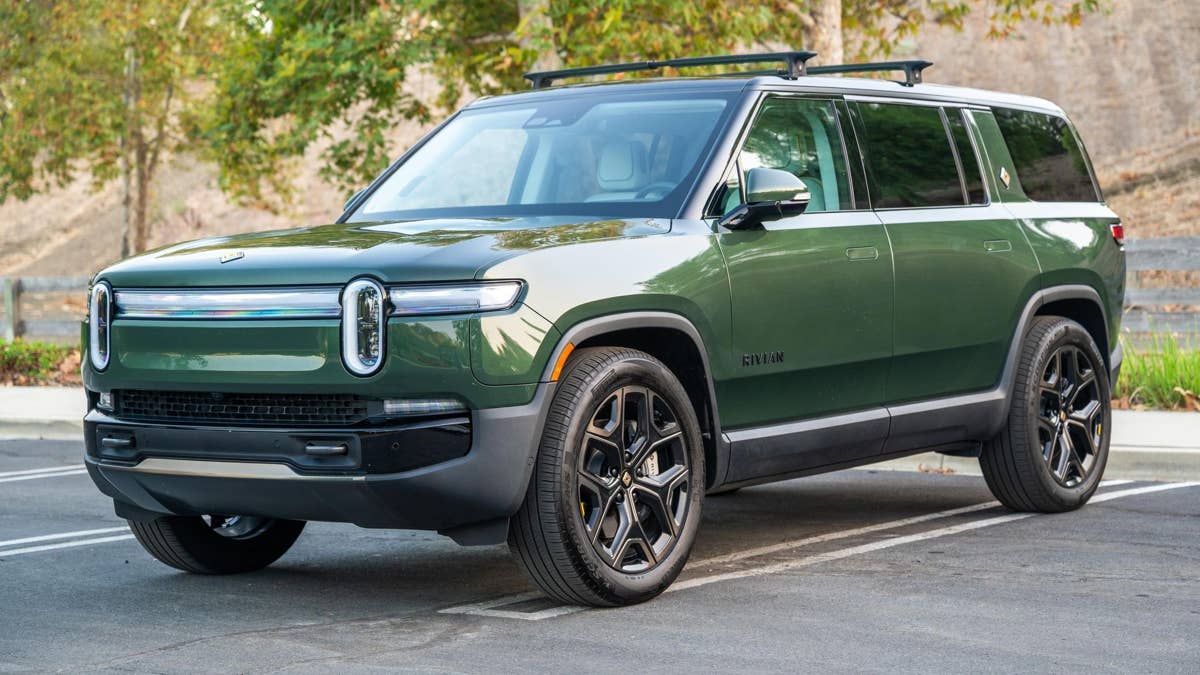
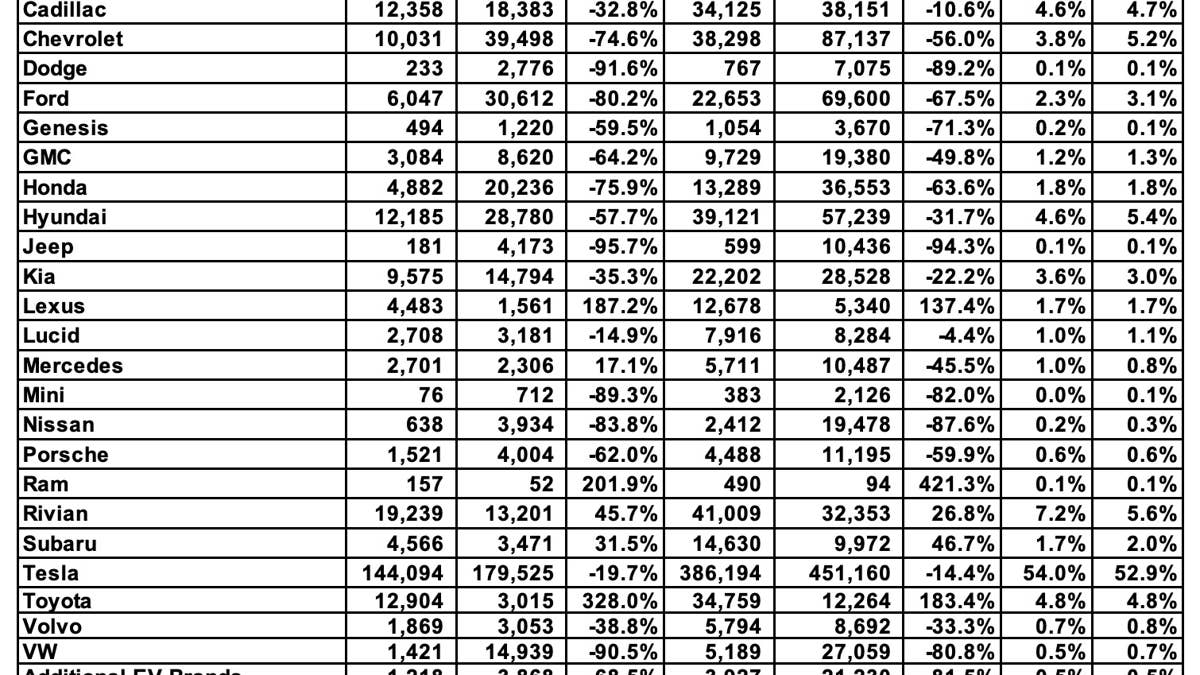
While headlines celebrate Rivian’s climb to the No. 2 spot in U.S. EV registrations, the real story sits in a warehouse loading dock, not a showroom. The company’s commercial van business — built on a 100,000-unit Amazon contract signed years before the R1T ever shipped — delivered 8,469 units in Q3 alone, a 220.9% surge that dwarfed the R2’s debut quarter of 3,456 vehicles. Cox Automotive data shows Rivian moved 41,009 vehicles through September, up 26.8% year-over-year while the broader EV market contracted 30%. But strip out the EDV 500 and 700 vans, and Rivian’s consumer lineup actually shrank.
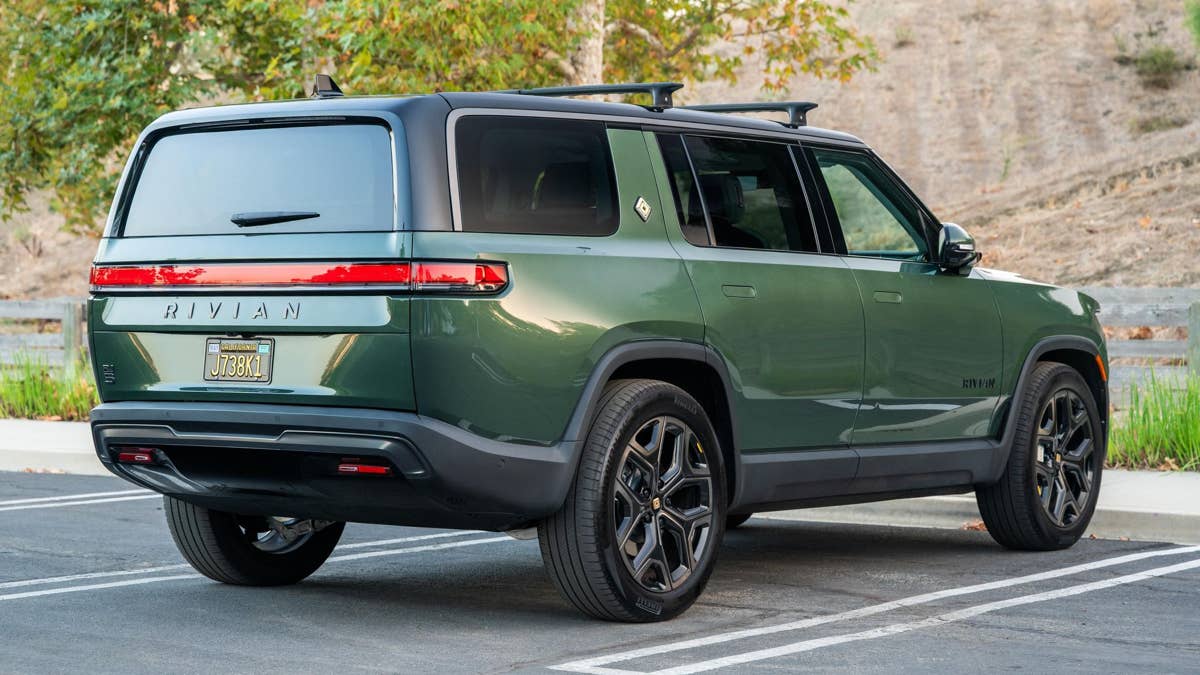
R1S sales fell 31.8% to 5,582 units. The R1T dropped 27.2% to 1,732. The R2 Performance trim, priced at $57,990, outperformed the Kia EV6, Volkswagen ID.4, Volvo EX40 and Subaru Solterra in its first quarter — yet cheaper Premium and Standard trims won’t arrive until late 2026 and spring 2027 respectively. That leaves a $4,000 to $13,000 price gap most buyers won’t bridge.

The van numbers matter because they’re profitable. Or at least, they’re supposed to be. Rivian designed the EDV platform on the same skateboard architecture as its consumer trucks, amortizing R&D across two revenue streams. Amazon’s order provides guaranteed volume — 15,000-plus delivered so far in 2026 — and crucially, fleet customers don’t cross-shop. They don’t test-drive a Ford E-Transit and walk away. They sign multi-year agreements.
That’s how Rivian avoided the Fisker and Lordstown fate. Neither startup had a contracted anchor tenant. Rivian’s Normal, Illinois factory runs two shifts building vans alongside R1S and R1T units, spreading fixed costs across a product mix that actually pencils out. The R2, built on a new lower-cost platform in Georgia, won’t reach volume until 2027. Until then, the van line carries the P&L.
Tesla still towers at 386,194 registrations. General Motors claims the No. 2 manufacturer title only by aggregating Chevrolet, Cadillac and GMC — individually, none crack Rivian’s 41,009. Hyundai (39,121) and Chevrolet (38,298) trail despite broader, cheaper lineups. But Rivian’s 65,000-to-70,000 full-year target requires 23,000-plus deliveries in Q4. The R2 Premium helps. The van ramp helps more. Amazon’s remaining order book — roughly 85,000 units against the original 100,000 commitment — provides visibility most automakers would kill for.