Alberta Separatists Target UCP Split After 24% Referendum Vote
Separatist leaders plan to use the 24% vote share to push for a leadership challenge against Premier Danielle Smith and fracture the UCP.
A quarter of Alberta voters backed initiating a separation process from Canada in a provincial referendum, handing separatist leaders the leverage they need to pressure Premier Danielle Smith’s governing coalition despite losing the ballot measure by a wide margin.
Unofficial results from Elections Alberta showed 76% of more than 1.5 million votes cast opposed beginning a path toward independence, while nearly 24% supported it. The referendum did not authorize separation directly; approval would have triggered a future binding vote on leaving Canada.
The immediate political fallout centers on the United Conservative Party, or UCP. Jeff Rath of the Alberta Prosperity Project said he wants Smith ousted as party leader and predicted the UCP could splinter, potentially creating a new pro-independence party. Rath told supporters at an Edmonton restaurant he would have been thrilled with 30% support. “We’re not going anywhere,” Rath said. “We’ve dominated the conversation in the last year.”


Smith called the referendum under pressure from separatists within her own caucus, even though she personally opposes independence. She posted on social media that early results showed widespread support for remaining in Canada, framing the outcome as a mandate for “a stronger Alberta in a united Canada.” She is scheduled to address the province Tuesday evening about the results and Alberta’s future.
Keith Wilson, a leader of the separatist movement, pointed to the raw numbers rather than the defeat. “I think the numbers are going to fluctuate, but it is fair to say that at least a quarter of Albertans feel that Alberta needs to be treated better,” Wilson said before final tallies were certified.
Separatist parties historically captured only 1% or 2% of the vote in Alberta elections, former Premier Jason Kenney said. The surge to roughly 24% traces back to anger over pandemic restrictions, which mobilized activists who subsequently adopted independence as their primary cause.
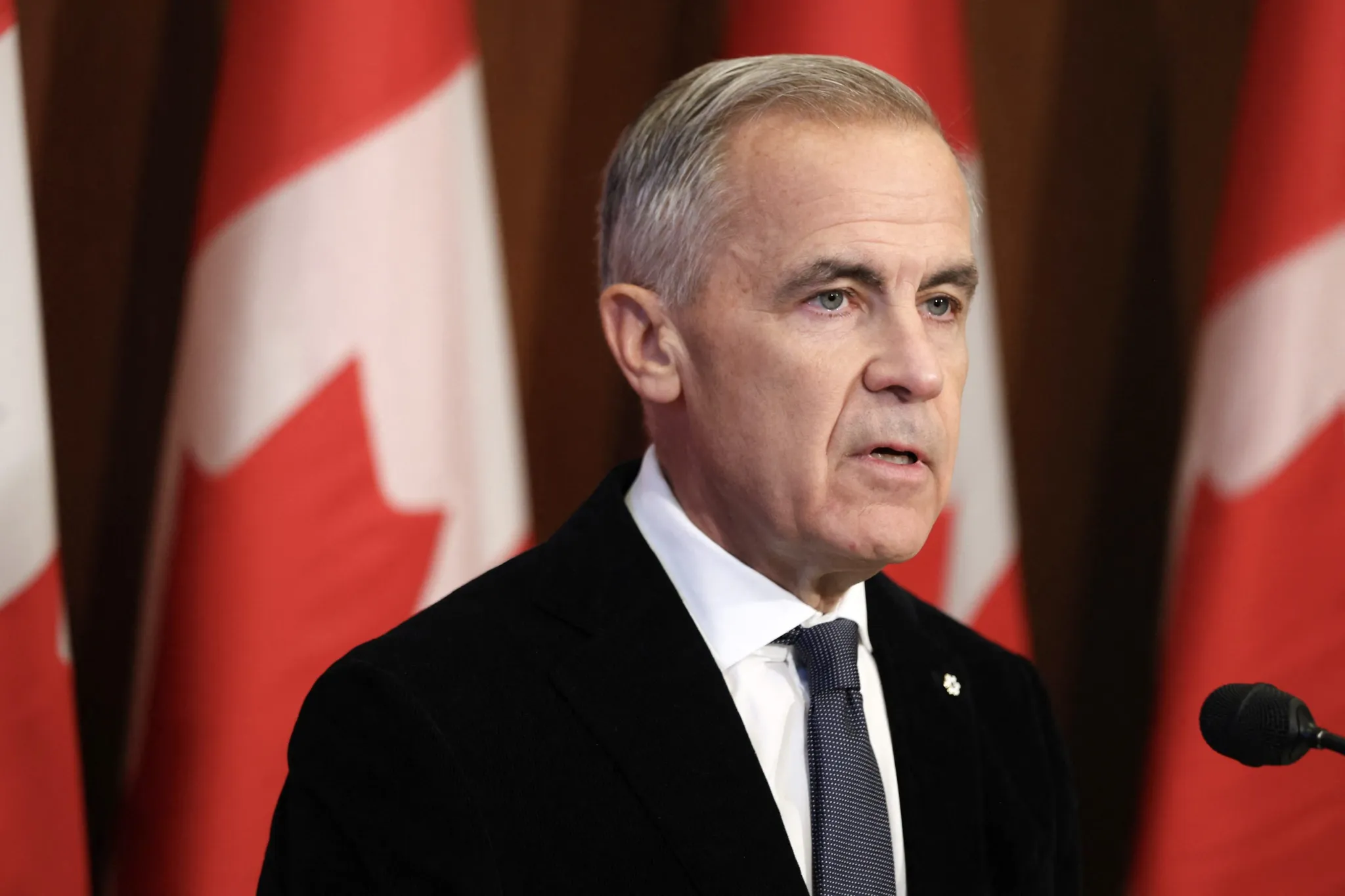
Federal Prime Minister Mark Carney framed the result as an economic mandate. He said the outcome allows Canadians to accelerate efforts to diversify trade, develop major infrastructure projects, and position Canada as a global energy powerhouse with Alberta—home to the world’s fourth-largest proven oil reserves—at its center. Carney had campaigned aggressively against the measure, urging voters at a Friday rally in Edmonton to “vote like Canada’s future depends on it, because it does.”
External pressures shaped the campaign. Threats from U.S. President Donald Trump to impose sweeping tariffs and suggestions that Canada become the 51st U.S. state helped Carney rally unity support in a conservative stronghold where Liberal prime ministers have long faced deep skepticism. Voter Dave Malka, 59, of Edmonton, criticized the cost of what he called a “referendum on a referendum” instead of funding healthcare. “It seems to be happening at the absolute worst time when we should be united; instead we’re fighting among ourselves,” Malka said.
Thomas Lukaszuk, a former Alberta deputy premier who led the Forever Canadian campaign against separation, told supporters the vote proved the country remains solidly united “from coast to coast to coast.” Dustin Degenhardt, a voter in Wainwright, articulated the grievance driving the minority bloc: “Alberta has essentially been treated as, you know, a colony. They want to take and take and take from us, and not return anything.”
Elections Alberta delayed releasing results after late openings forced more than 100 polling stations to extend voting hours Monday.
Ty ONeil contributed to this report from Wainwright.