Why $7,000 PPF Installations Are Reshaping Auto Body Economics
Rising repair costs push more vehicle owners toward $7,000 full-body XPEL film installations
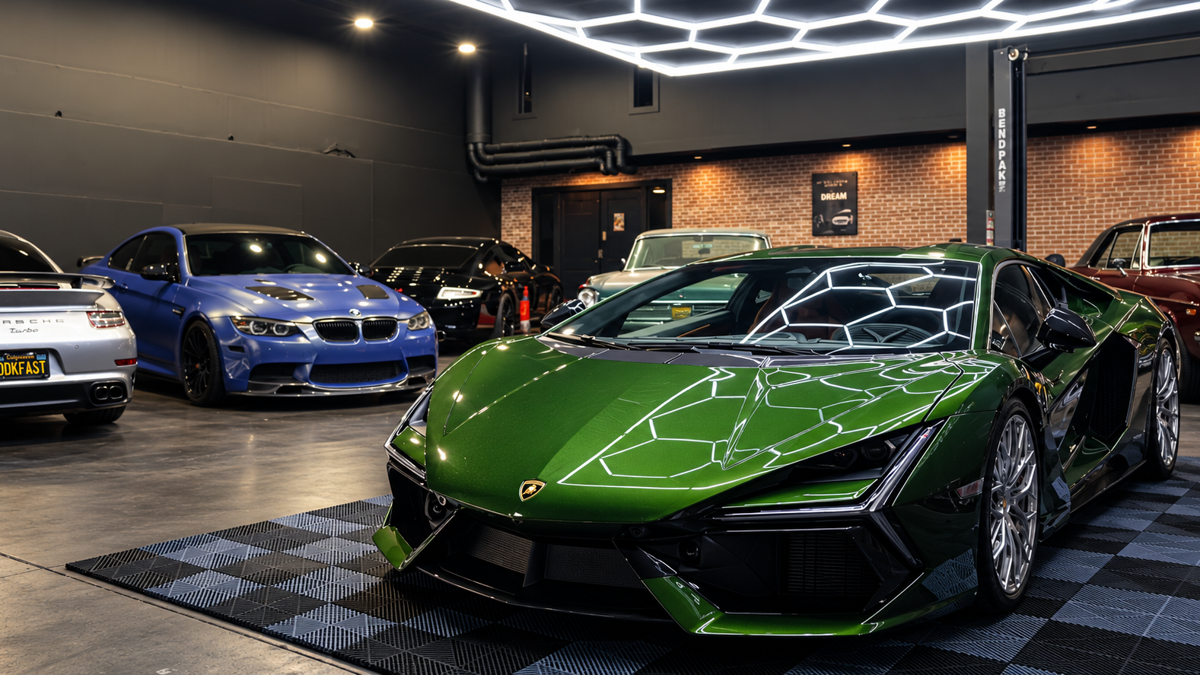
The economics of automotive paint repair have shifted the calculus for vehicle owners. A single rock chip on a modern factory finish routinely triggers thousands of dollars in body shop labor and color-matching materials. That financial reality is driving a rapid expansion in full-vehicle paint protection film installations, transforming what was once a niche accessory into a standard line item for high-end car buyers.
Francisco Franco, an installer at South Bay Customs and Exotics who applies XPEL film, noted that full-vehicle coverage jobs generally start around $7,000. The process requires roughly a week of shop time to cover the roof, bumpers, and all body panels, according to Franco, whose installers bring more than a decade of experience to the work.
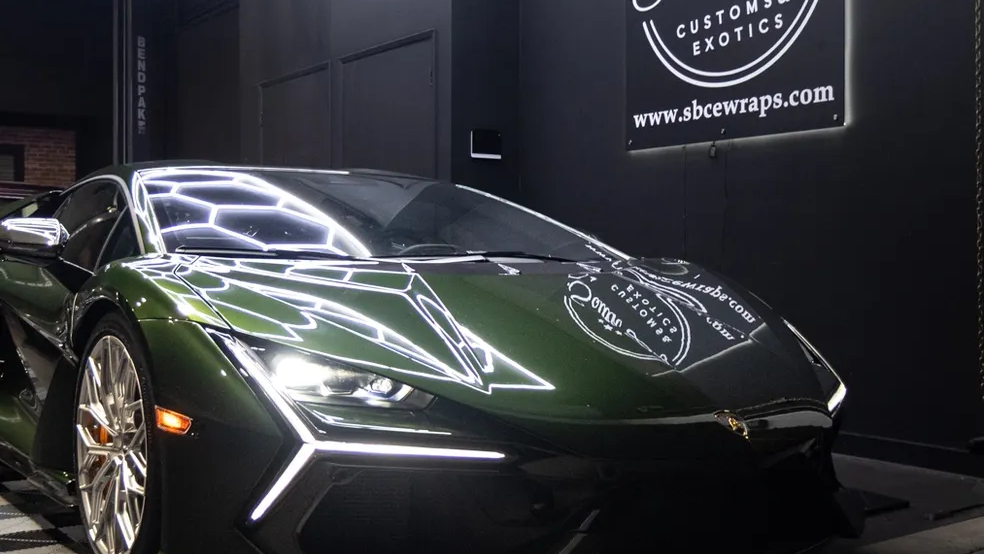

That price point reflects a broader change in how consumers manage vehicle depreciation. Historically, clear bras were applied exclusively to the front fascias of sports cars to deflect highway debris. Today, the aftermarket industry is seeing demand for comprehensive coverage that extends beyond impact resistance. Many films now incorporate UV inhibitors designed to prevent paint fading, though Franco cautioned buyers to verify specific manufacturer promises regarding discoloration and warranty coverage rather than relying on general claims.
The cost-benefit analysis differs sharply depending on the asset. On a six-figure exotic, a $7,000 protective layer represents a fractional insurance policy against catastrophic cosmetic devaluation. For mass-market vehicles like a Toyota Camry, the investment frequently exceeds the financial logic unless the owner plans to retain the car long enough to offset the upfront expense through preserved resale value.
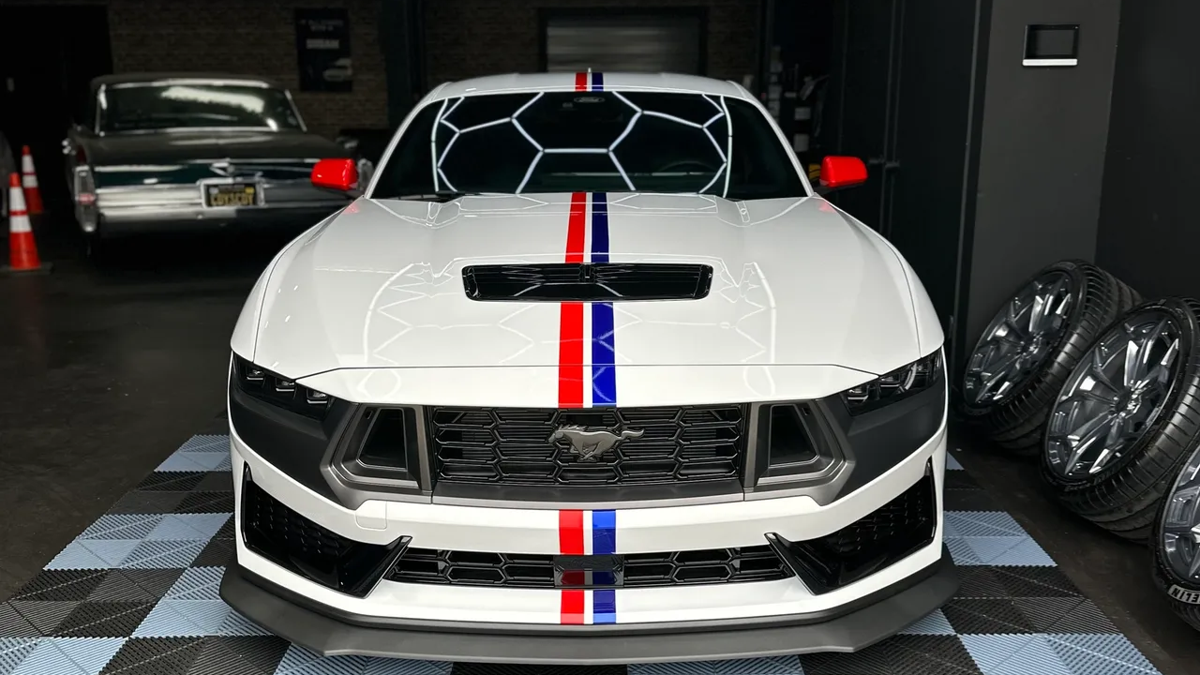
Manufacturers have responded by expanding the functional scope of polyurethane films. Matte and stealth finishes allow owners to alter a vehicle’s gloss profile without committing to permanent paintwork. Colored paint protection films merge aesthetic customization with physical shielding. Franco confirmed these products can be applied directly over existing color-change wraps or used as standalone solutions, often costing less than a complete factory-quality repaint.
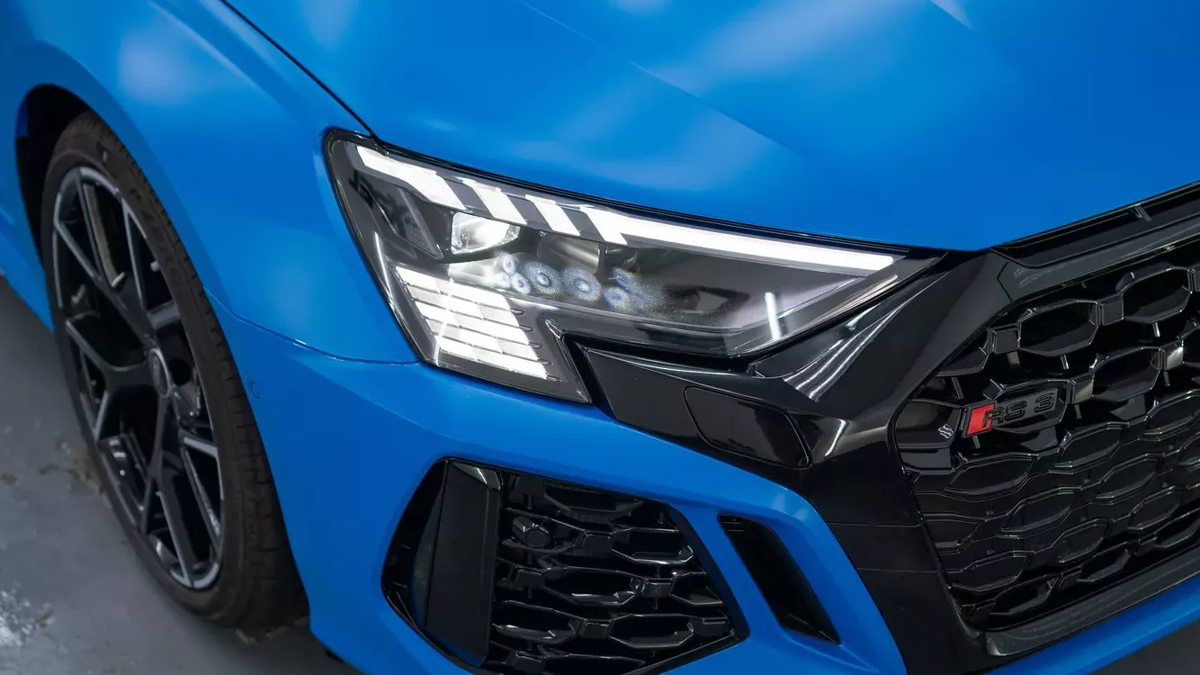
Labor quality remains the primary variable separating successful applications from costly failures. Properly executed installations are visually indistinguishable from factory paint, but achieving that result demands precise edge-wrapping and contamination-free environments. “It depends on the installer,” Franco said when asked about seamless finishes.
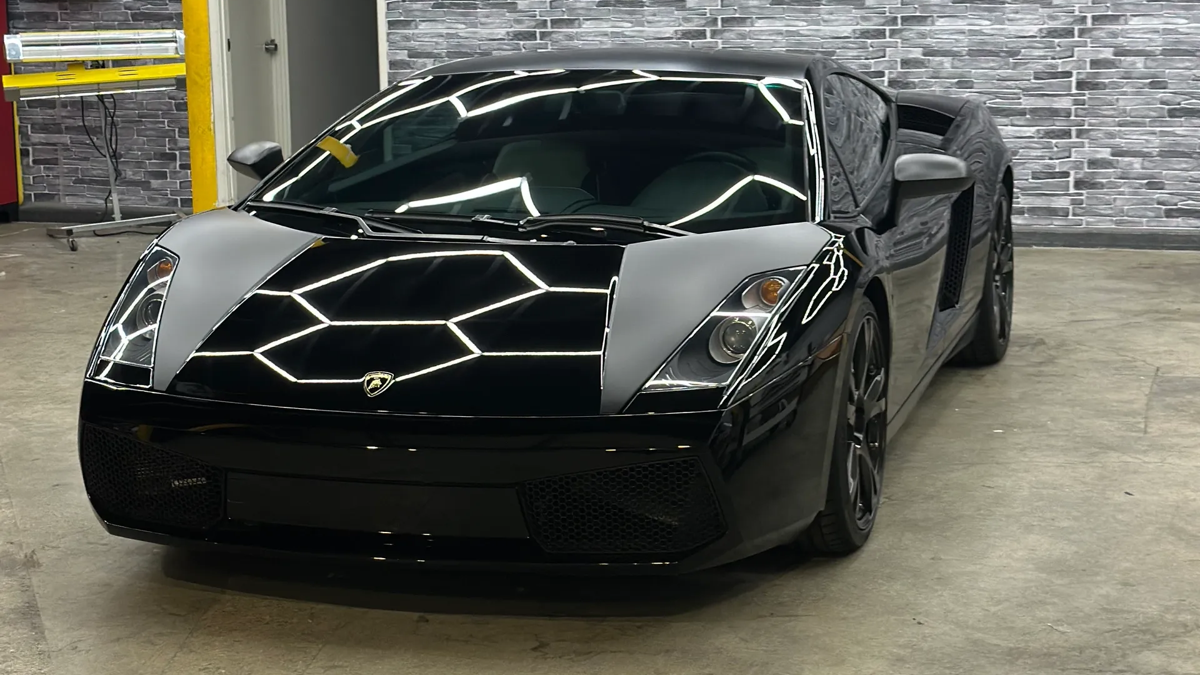
The aftermarket sector’s pivot toward colored and textured protective films mirrors trends seen in architectural window tinting, where products evolved from purely functional barriers into design elements. This dual-purpose utility has broadened the customer base beyond traditional enthusiasts seeking invisible shields, pulling in buyers interested in personalization who previously would have opted for vinyl wraps lacking impact resistance.
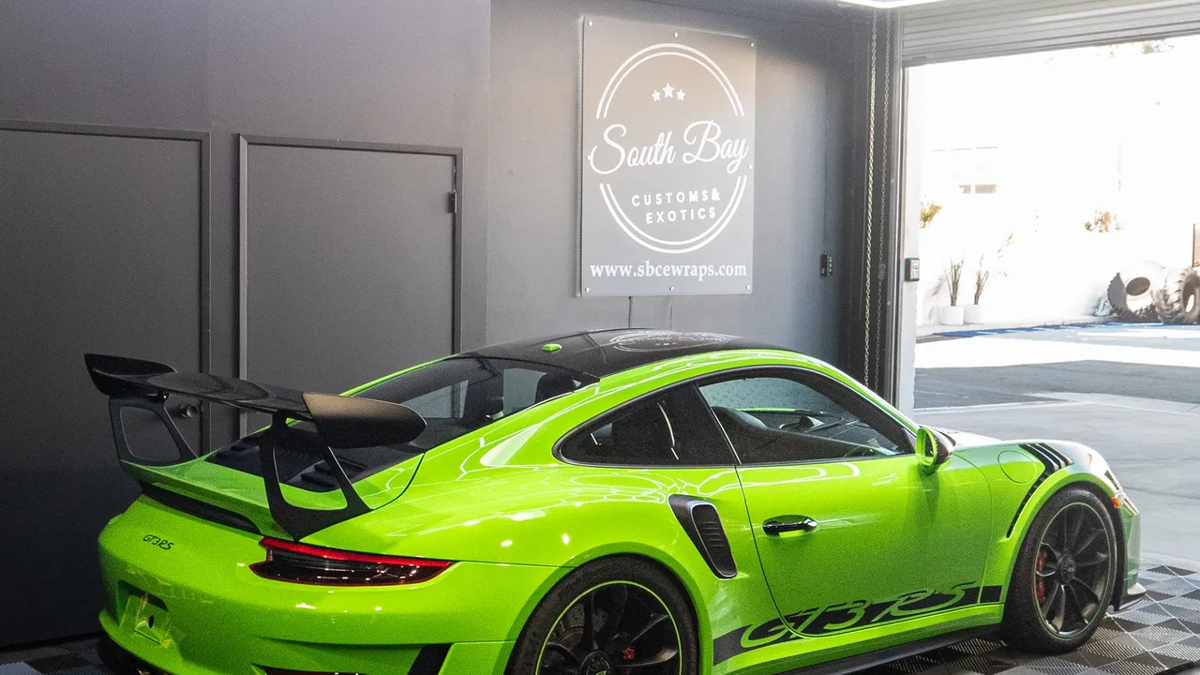
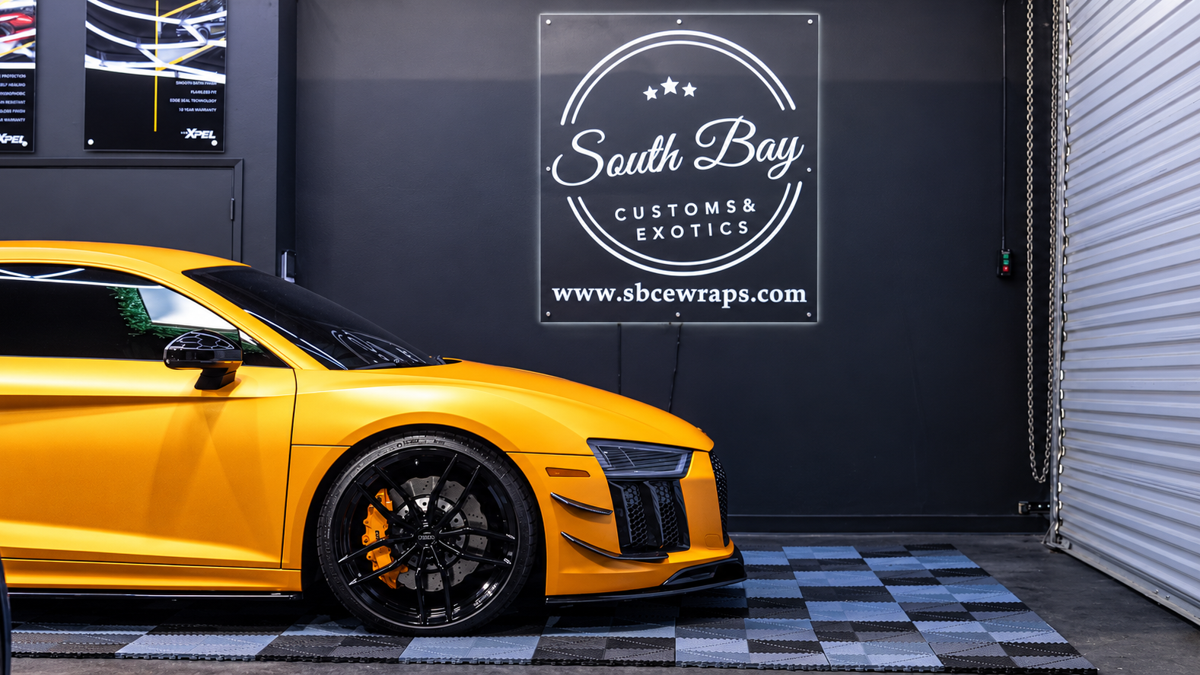
Buyers evaluating quotes must scrutinize the exact parameters of the proposed job. A lower estimate often indicates partial panel coverage or thinner film grades rather than equivalent service at a discount. Verifying the specific product line, preparation steps, and post-installation care instructions determines whether the expenditure yields actual asset protection or merely adds a transparent layer of expense.
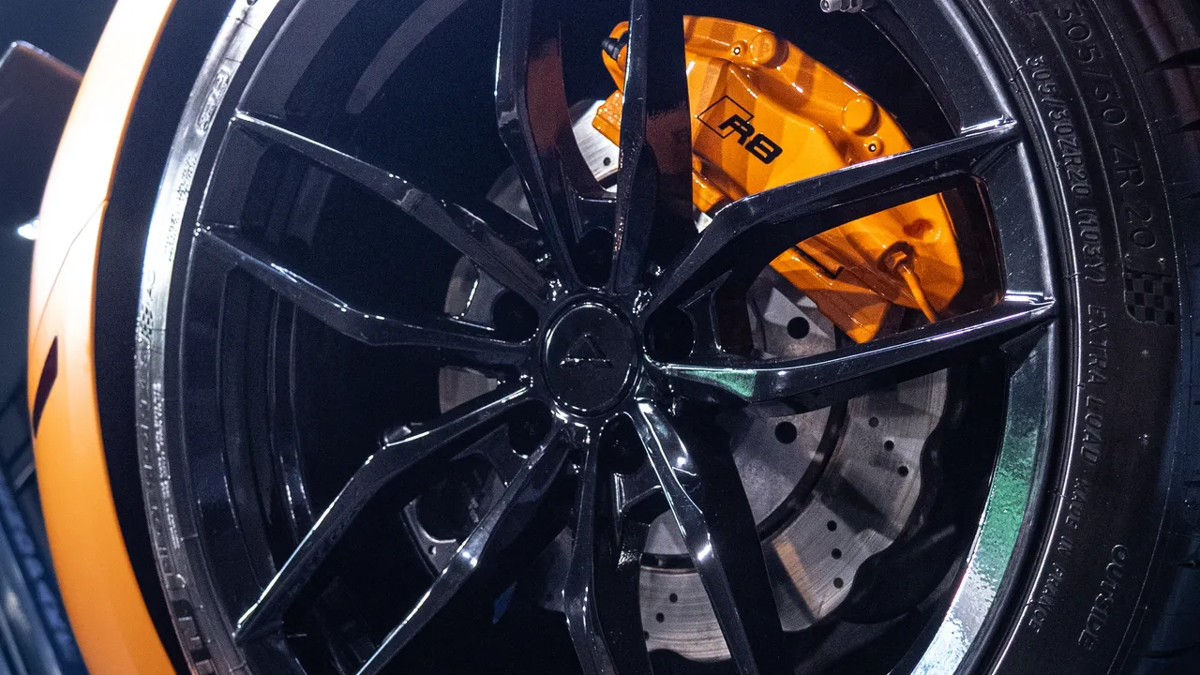
South Bay Customs and Exotics operates within a segment of the automotive aftermarket that continues to grow as factory paint systems become increasingly complex and expensive to replicate outside dealership networks.