Alfa Romeo Giulia Wagon Render Fuels Speculation on Stellantis Platform Strategy
Designer's unofficial proposal highlights lineup gap as brand's European sales decline
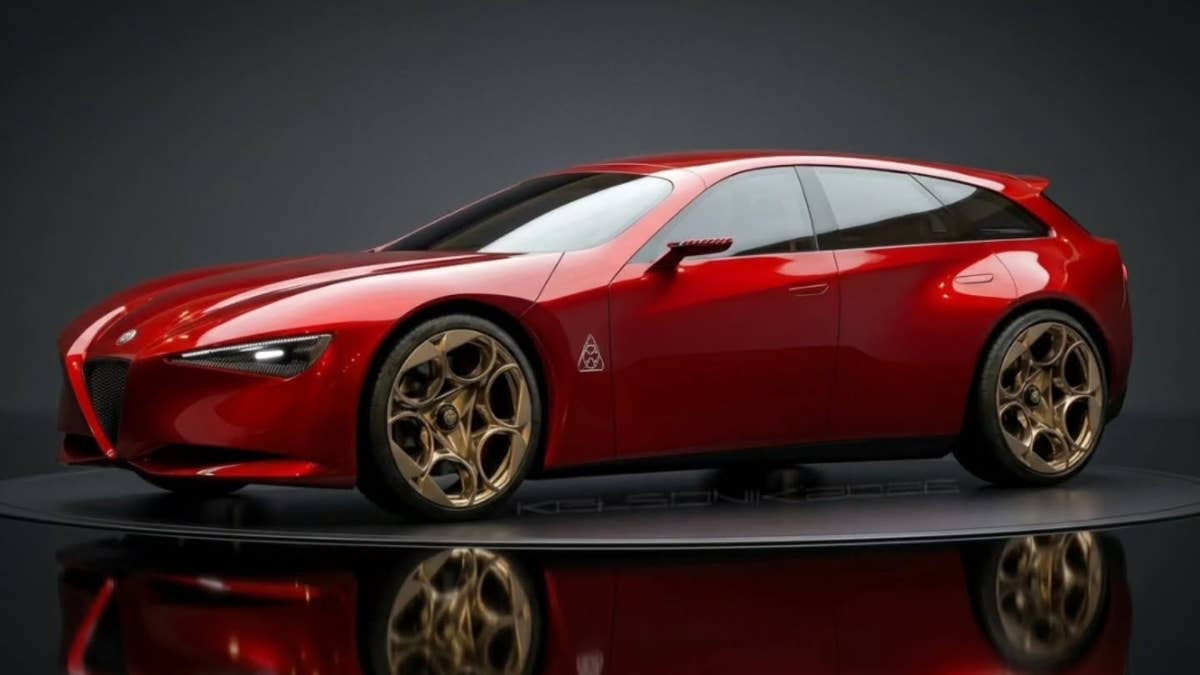
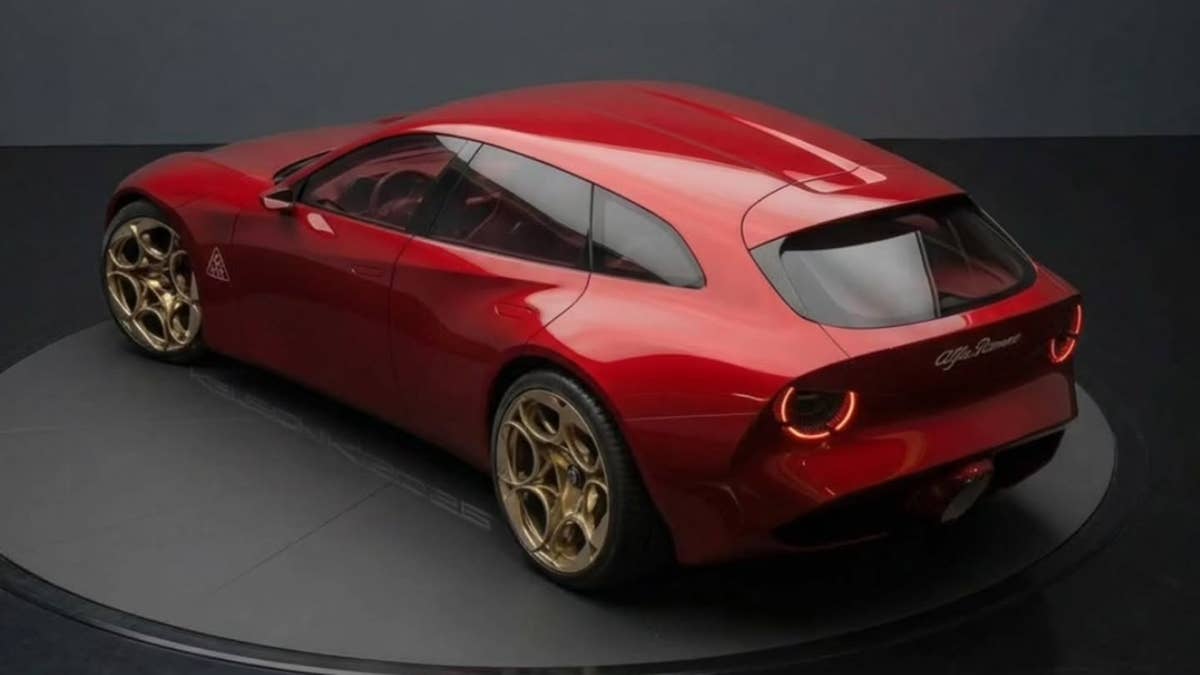
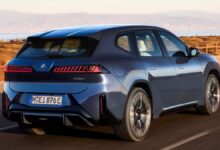
An independent designer’s rendering of an Alfa Romeo Giulia-based shooting brake has reignited debate over whether Stellantis will finally greenlight a practical variant for the brand’s struggling volume model. The unofficial proposal, published by Instagram creator Kelsonik, adapts the Cuorerosso concept’s front-end language to the current Giulia’s dimensions, adding a hatchback roofline and two rear doors.
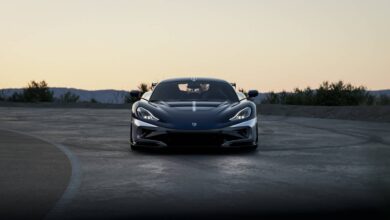
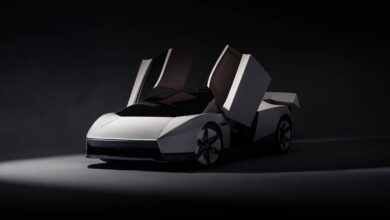
The Cuorerosso debuted at the 2026 Paris Motor Show as a design manifesto for Alfa’s next era under CEO Santo Ficili. While the concept itself is a low-slung two-door coupe, the rendering demonstrates how its signature shield grille, triple-headlight clusters, and muscular rear haunches translate to a five-door wagon — a body style Alfa abandoned after the 159 Sportwagon ended production in 2011.

The original Giulia sedan launched in 2016 on the Giorgio platform, engineered for rear-wheel drive and longitudinal engines. A wagon variant was developed to prototype stage but cancelled under former CEO Sergio Marchionne’s cost discipline. Former design chief Roberto Fedeli confirmed the decision in a 2018 interview, citing insufficient global volumes to justify tooling.
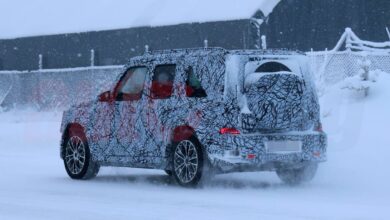
Stellantis’ current product roadmap complicates a revival. The Giorgio architecture is being stretched to underpin the next-generation Stelvio and a larger flagship crossover, both expected to adopt the STLA Large platform with 800-volt EV capability. A Giulia sedan replacement is confirmed for 2026 as a pure electric model, but product planners have not publicly committed to a wagon derivative.
European fleet data suggests the business case exists. The BMW 3 Series Touring and Audi A4 Avant together capture roughly 65 percent of the premium D-segment wagon market, a segment Alfa currently cedes entirely. The brand’s European registrations fell 18 percent in the first half of 2024 versus the prior year, according to ACEA figures, with the Giulia accounting for fewer than 4,000 units.
The rendering’s Brera resemblance is more than aesthetic nostalgia. The original Brera (2005–2010), penned by Giugiaro at Italdesign, proved a halo model could coexist with volume sedans on shared underpinnings. Its shooting brake sibling, the 159 Sportwagon, outsold the coupe two-to-one in Europe — a data point Alfa’s current leadership would be unwise to ignore.