France Arrests 2,400 in One Day as Energy Shock Hits Europe
Wholesale fuel spikes from the Persian Gulf conflict triggered mass detentions and forced Macron to seek emergency Gulf energy deals.
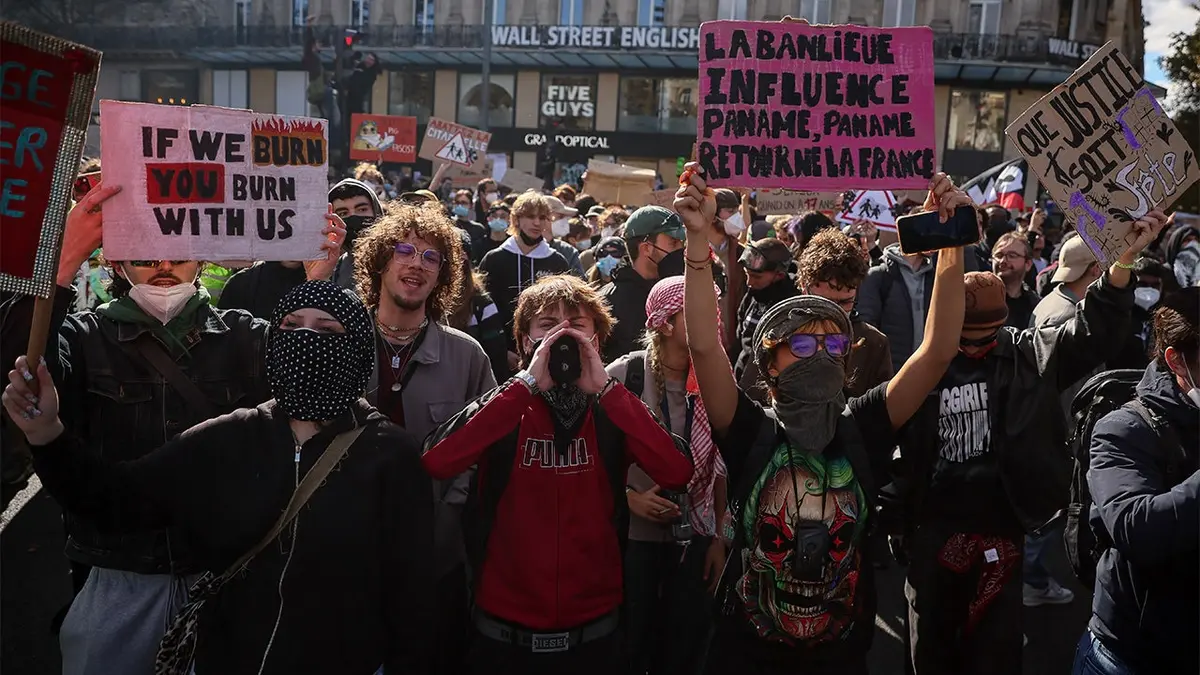
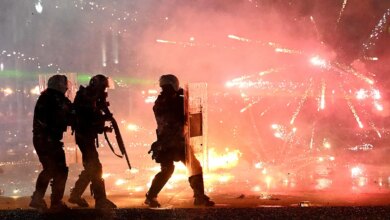
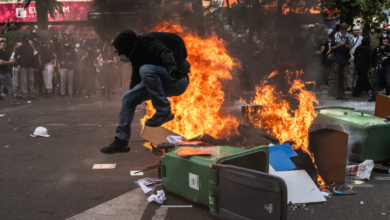
French police detained nearly 2,400 people in a single day following nationwide unrest that drew an estimated 200,000 demonstrators across the country, including 40,000 in Paris on October 17, 2026. The scale of the arrests signals a severe strain on domestic law enforcement as European governments scramble to contain the economic fallout of the U.S. war against Iran.
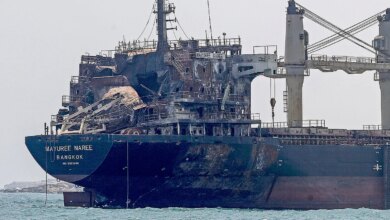
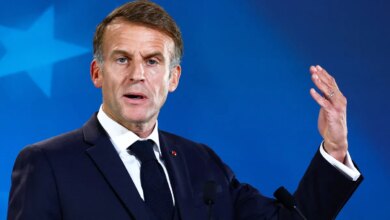
The Strait of Hormuz closure by Iranian forces has severed a critical artery for global oil and gas shipments. That disruption is hitting European consumers directly at the pump and on utility bills. French President Emmanuel Macron cited the Persian Gulf conflict during a televised address Sunday, stating that rising fuel and living costs are “driven by the conflict launched in the Persian Gulf, a conflict in which France has taken no part but whose consequences we are suffering.”
Macron announced plans to travel to three Gulf nations to negotiate energy supply security. His government is attempting to stabilize markets ahead of a presidential election where economic anxiety is already reshaping voter priorities.
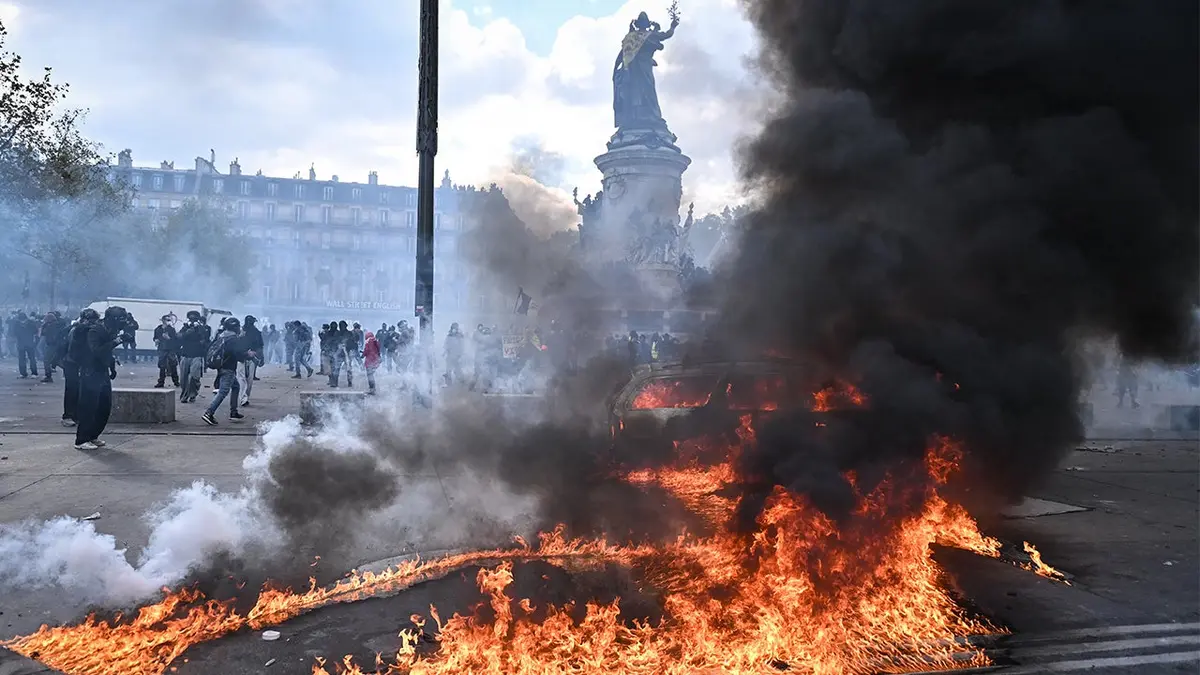
The protests brought together students, climate activists, former Yellow Vests, and farmers. What began as demonstrations over diesel prices escalated into widespread property destruction. Major infrastructure and landmarks were set on fire and shops were looted across the country, according to Lisa Daftari, Foreign Desk Editor-in-Chief, who told Fox News Digital that the violence exceeded standard economic grievances.
Prime Minister Sébastien Lecornu accused an “ultra-left movement” of orchestrating the disorder to destabilize the country before the upcoming vote. The Élysée press office did not respond to requests for comment regarding the government’s specific economic countermeasures beyond Macron’s planned Gulf trip. A spokesman for the French foreign ministry directed inquiries back to the president’s Sunday broadcast.
Europe’s vulnerability to Middle Eastern energy chokepoints remains the central economic variable. Unlike the United States, which has expanded domestic production over the past decade, European nations rely heavily on imported liquefied natural gas and refined petroleum products transiting through the Persian Gulf. When Iran moved to restrict shipping lanes in response to American military operations, wholesale energy prices spiked immediately across the continent.
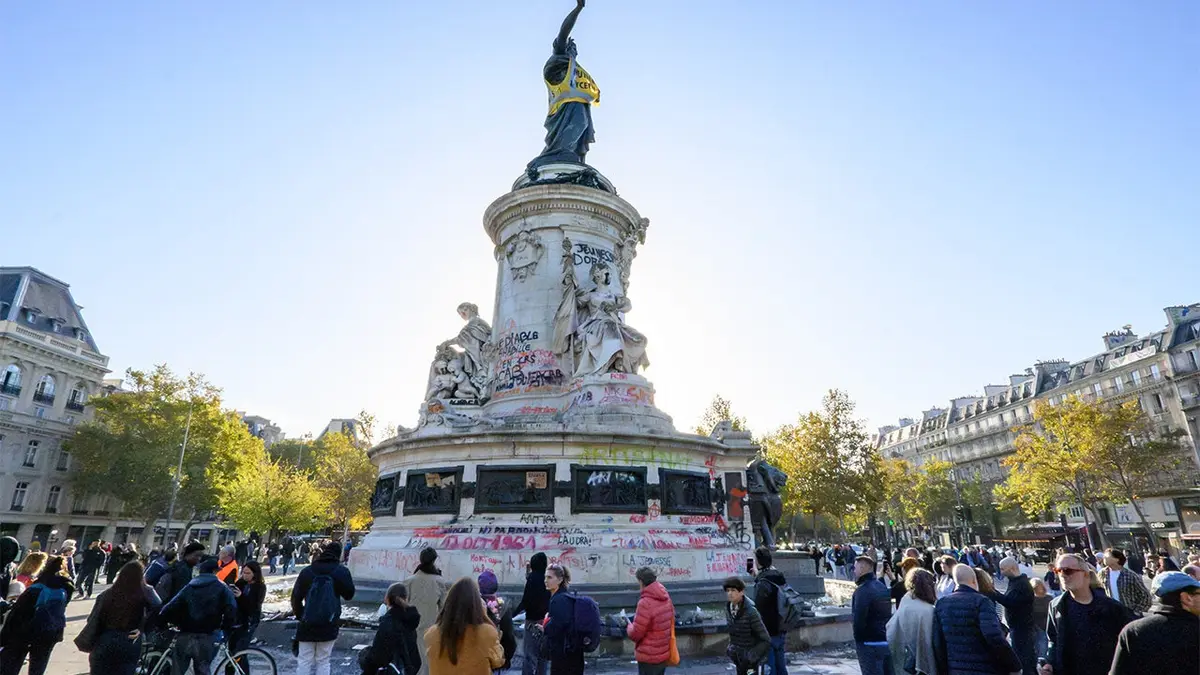
Washington’s reaction focused on broader structural issues rather than the immediate energy shock. President Donald Trump told reporters Monday that he had previously warned Macron about border policies, saying, “You’re going to ruin your country.” Vice President JD Vance wrote on X that Western liberals “imported the third world into France and other countries in the name of diversity and compassion,” arguing that officials ignored questions of assimilation.
Barak Seener, an associate research fellow at the London-based Henry Jackson Society, told Fox News Digital that the unrest involves a coalition of 38 radical left and Muslim organizations alongside 16 student groups. Seener argued that geopolitical rhetoric used by some factions masks deeper organizational efforts to exploit the current instability.
The 2,400 arrests recorded in a single day dwarf typical French policing metrics for civil disturbances. For context, the peak of the original Yellow Vest movement in late 2018 saw roughly 4,500 total arrests spread over several weeks of consecutive Saturday protests. Compressing that volume of detentions into one 24-hour period indicates authorities are treating the October 17 events as a coordinated security emergency rather than a conventional labor or consumer strike.