Poland’s 2027 Election Looms as French Riots Reshape Border Politics
Tusk and Morawiecki compete on border security as Western European unrest reshapes Central Europe's 2027 campaign trail.
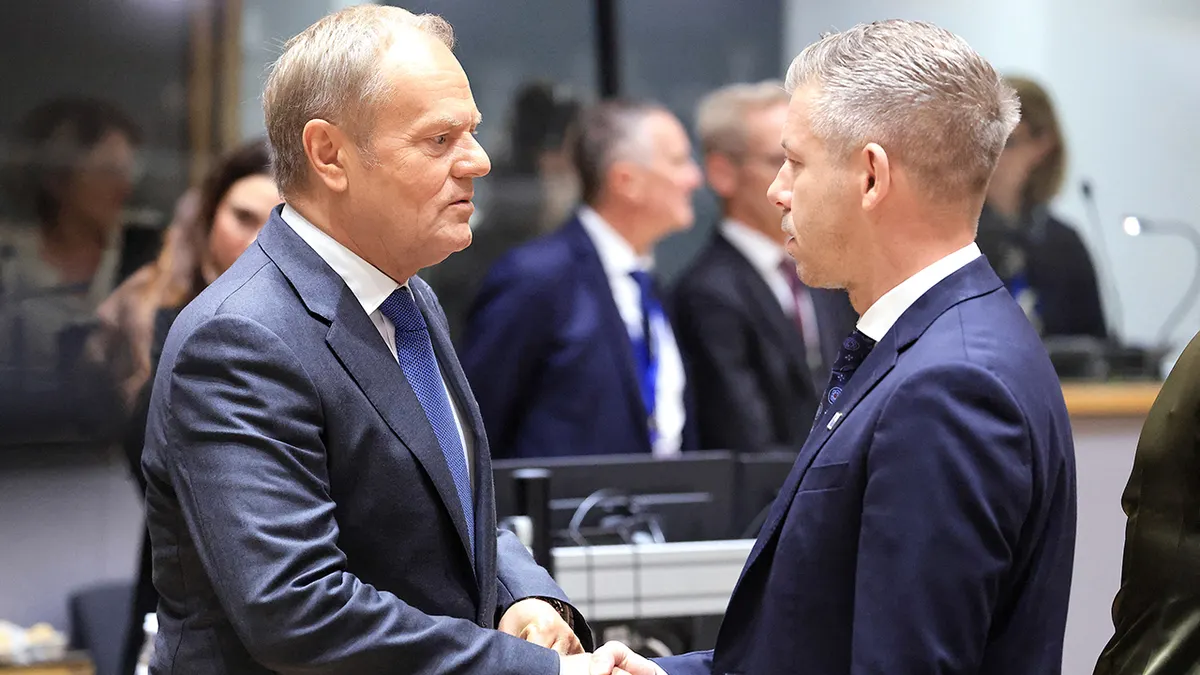
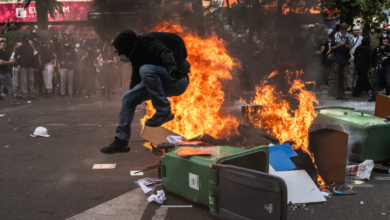
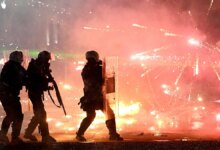
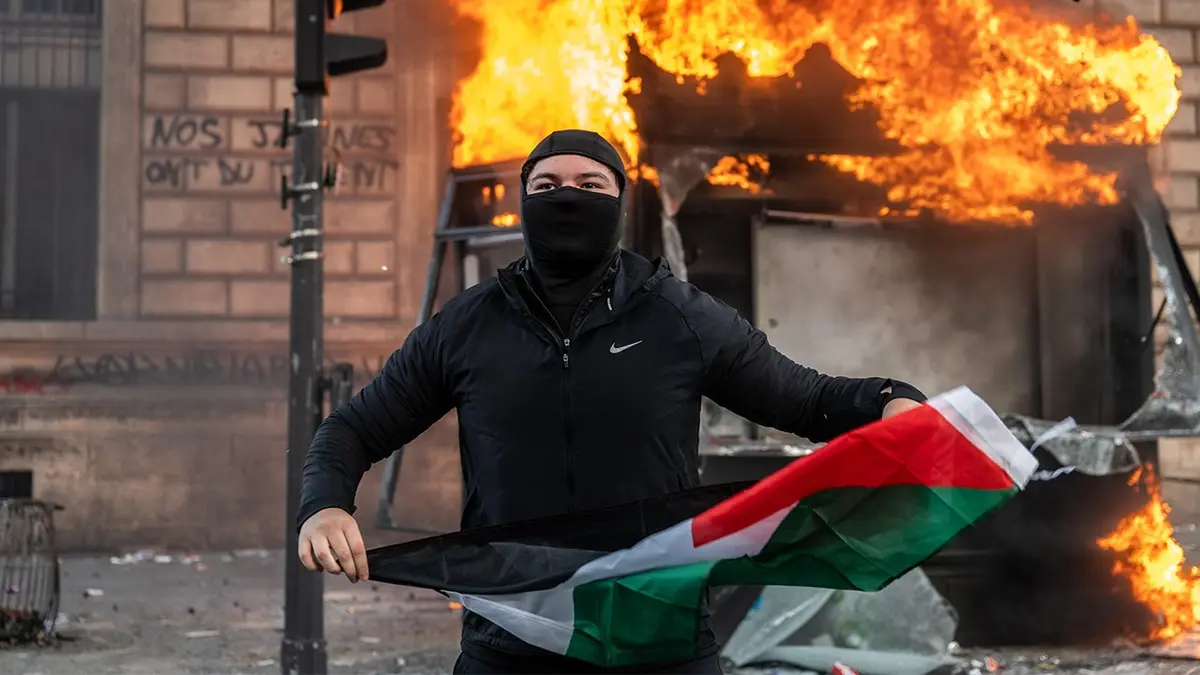
PARIS — Poland’s parliamentary race, more than a year away, is already being shaped by burning buses in Paris. The violent unrest sweeping France and Italy this month has given Warsaw’s political factions a shared campaign issue: border enforcement.
Former Prime Minister Mateusz Morawiecki framed the overseas chaos Monday as an immediate domestic threat, posting on X that “France is burning, and we must be wise before the harm is done.” His newly formed center-right coalition, Rozwoj Plus, promised voters a package of security measures designed to make Poland “the safest country in the world.”
Current Prime Minister Donald Tusk moved first. He declared Sunday night that Warsaw would not accept asylum applications and would deport anyone violating Polish law. “Poland will not repeat the mistakes of other European countries, nor will it pay for them,” Tusk wrote on X.

The competing hardline pledges reflect a shift in Central Europe’s electoral math. With national elections scheduled for November 2027, migration has become the primary fault line between Tusk’s government and Morawiecki’s opposition. Boštjan Udovič, Chair of International Relations at the University of Ljubljana’s Faculty of Social Sciences in Slovenia, told Fox News Digital that Tusk is effectively entering a pre-election campaign where migration will dominate.
The demographic gap between Western and Eastern Europe drives the political calculation. Eurostat figures from 2025 show France hosting nearly 10 million foreign-born residents and Italy about 7 million. Poland recorded roughly 1 million, with approximately half arriving from neighboring Ukraine. Hungary counted fewer than 700,000, mostly born within the European Union.
Crime statistics reinforce the narrative politicians in Warsaw and Budapest are selling. Eurostat data for 2024 placed France among the highest in the bloc with 304,900 police-recorded offenses, while Italy logged 142,600. Poland reported 57,300 and Hungary 28,600. Public perception tracks those numbers: about 20% of French residents reported crime or vandalism in their areas in 2023, compared to 7-8% in Poland and 6-7% in Hungary.
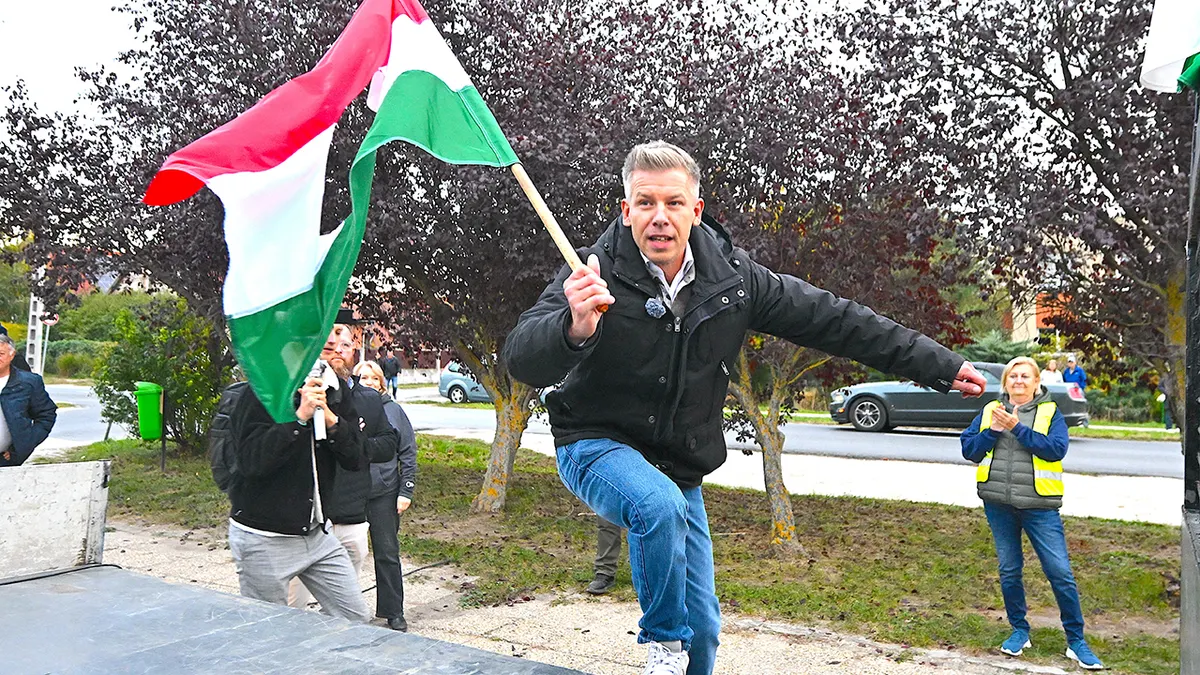
Hungarian Prime Minister Péter Magyar faces his own pressures despite lacking an imminent election. Elected in a landslide on April 12, 2026, Magyar inherited the restrictive border framework built by his predecessor, Viktor Orbán. Abandoning it carries severe political risk.
Á. Félix Debrenti, a former official under Orbán and current board member of the Hungarian Atlantic Council, told Fox News Digital that strict immigration policies enjoy broad support in Hungary. Debrenti noted that Magyar understands walking back tough border protection could cost him significant backing while his party already faces growing domestic pressures.
Timing matters. Magyar’s statements arrive days before Oct. 23, when Hungarians commemorate the 1956 Revolution against Soviet oppression. Linking contemporary border defense to historical resistance resonates deeply in a region where national identity remains tightly bound to sovereignty.
“This is ‘all politics is local’ playing out across borders,” said Daniel Schatz, a Sweden-based political scientist who spoke to Fox News Digital. “The streets are French or Italian; the voters being addressed are Hungarian or Polish.”
Both nations have previously clashed with Brussels over these exact policies. EU courts sanctioned Hungary under Orbán for refusing to accept migrants, and Poland faced similar penalties in 2025. Yet at last week’s European Council summit in Brussels, Magyar claimed the mood had shifted. He stated that the overwhelming majority of European countries want to break with past permissive policies, adding, “We hope it is not too late.”
Udovič pointed out that Central and Eastern European nations typically link EU membership to single-nation identities forged through independence movements. Expecting them to adopt multiethnic societal models contradicts their foundational history, he told Fox News Digital.
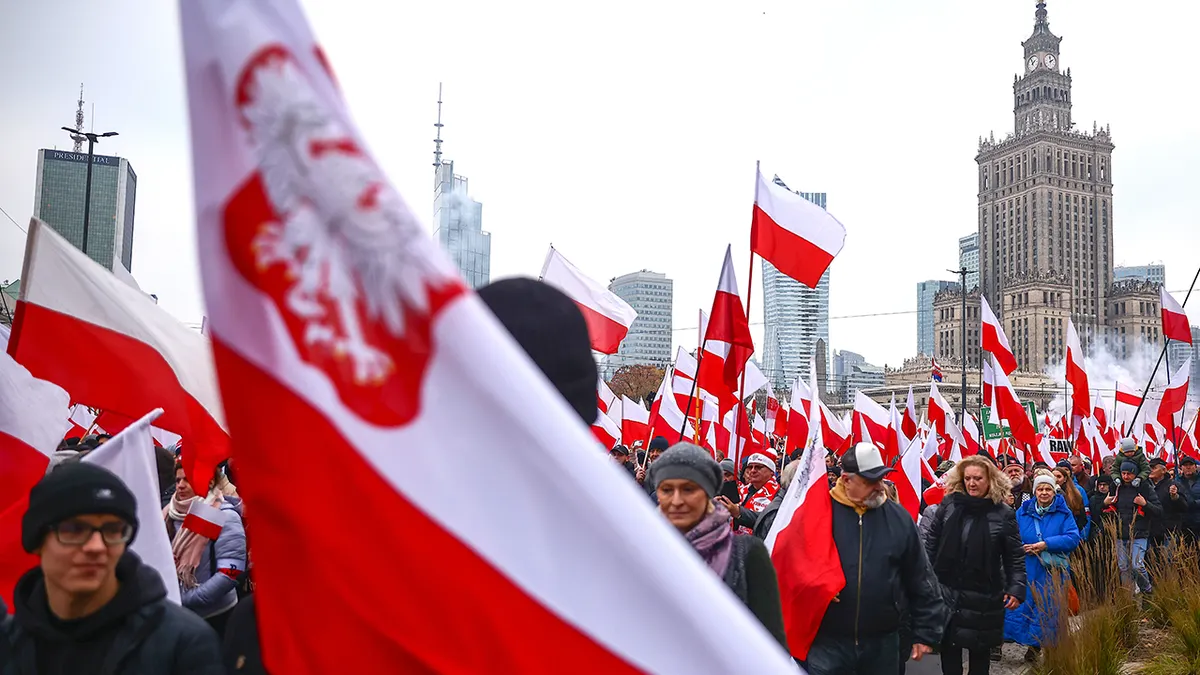
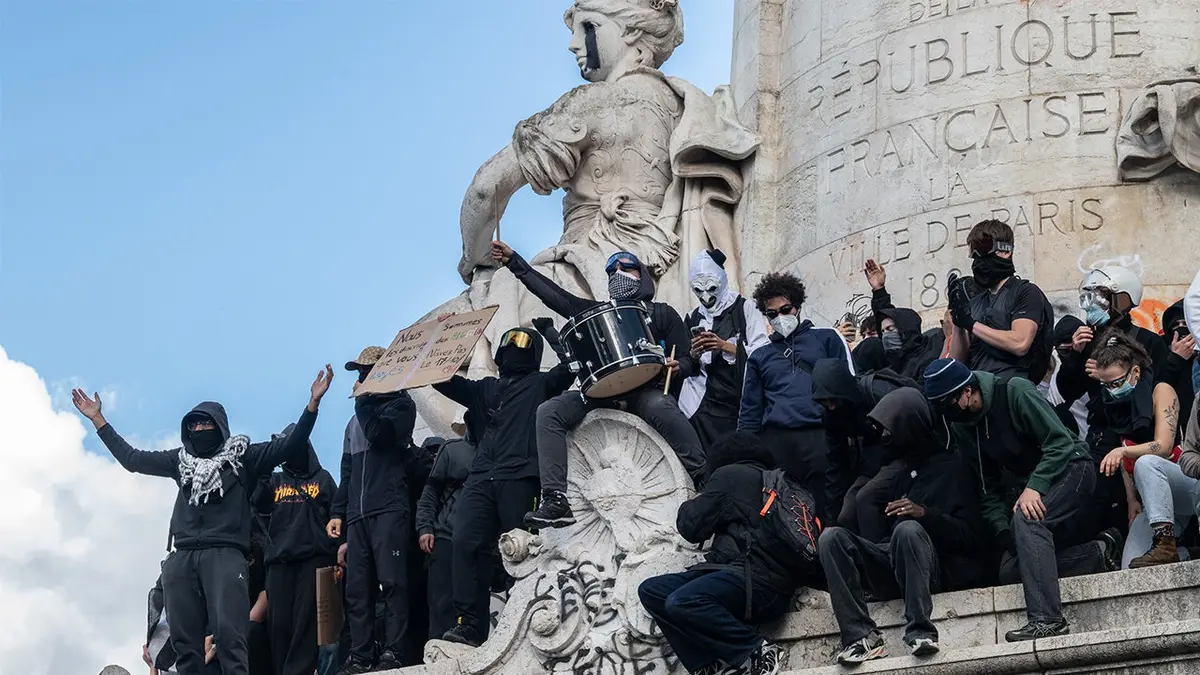
The visual evidence from Paris continues to supply material for campaign rallies far from the Seine. Protesters scaling the Statue de la République and burning infrastructure provide what Schatz called political ammunition carrying more weight than policy speeches.
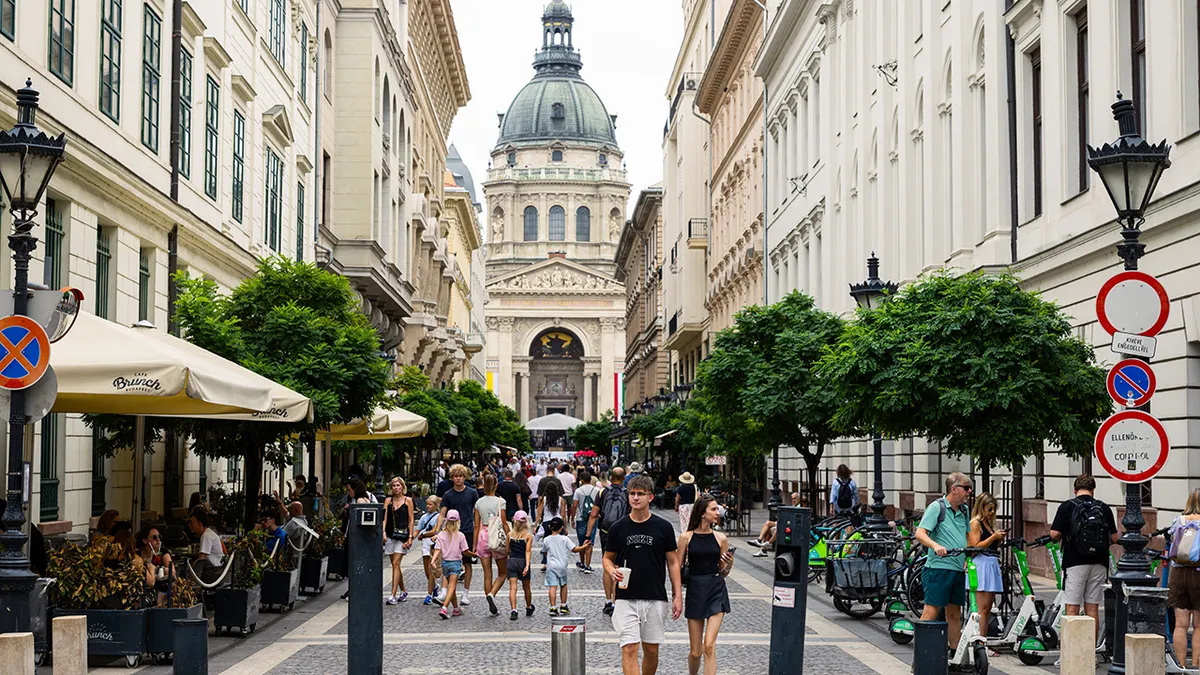
Magyar drew a firm line regarding the demonstrations themselves. “Peaceful and lawful protest is one thing; vandalism and violence are quite another,” he posted. “The former is a fundamental right; the latter is a serious crime.”