Why U.S. Cities Are Paying to Haul Away Your Free Fertilizer
Taxpayers fund millions in seasonal yard waste collection while homeowners discard free fertilizer and destroy insect habitats.
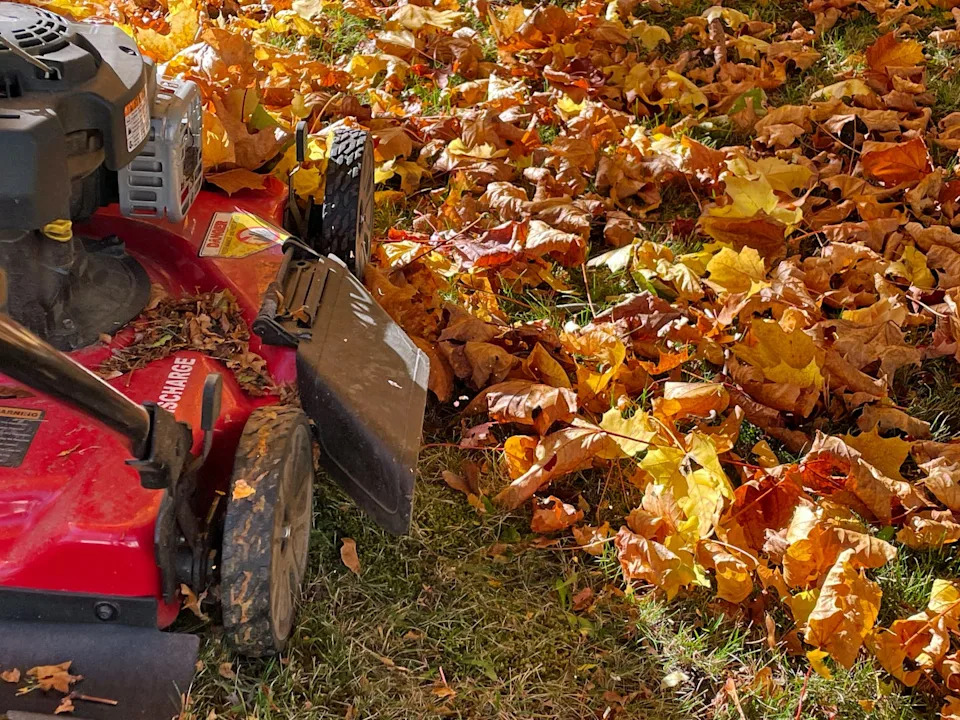
American municipalities spend tens of millions of dollars every autumn collecting, hauling, and processing yard waste that homeowners could use directly on their own properties. While the seasonal ritual of raking leaves into curbside bags is deeply ingrained in suburban life, agricultural researchers and environmental scientists are increasingly pointing to the economic and ecological costs of treating fallen foliage as trash rather than a resource.

The financial burden falls squarely on local governments and, by extension, taxpayers. According to the Environmental Protection Agency, yard trimmings account for roughly 12 percent of all municipal solid waste generated in the United States annually, totaling more than 35 million tons. Much of this volume spikes during the fall leaf drop. Cities operate specialized fleets, hire seasonal workers, and maintain composting facilities to process the material. Some towns offer free leaf and yard debris pickup, turning the collected biomass into compost later distributed to residents, according to House Beautiful. But the logistics of heavy-duty collection trucks compacting residential streets repeatedly throughout October and November carry hidden infrastructure costs, accelerating road wear at a time when public works budgets are already strained.


Leaves sent to landfills present a different problem. When organic matter decomposes anaerobically under layers of garbage, it generates methane, a greenhouse gas significantly more potent than carbon dioxide over a 20-year period. The EPA identifies landfills as the third-largest source of human-related methane emissions in the country. Diverting leaves from the waste stream is one of the lowest-cost interventions available to local governments attempting to meet climate targets.

For property owners, discarding leaves means throwing away nitrogen, phosphorus, and potassium. Research from the University of Delaware indicates that shredded leaves applied in a two- to three-inch layer around shrubs and perennials suppress weeds, reduce soil erosion, and insulate root systems against winter freeze-thaw cycles that push plants out of the ground. A standard mulching mower, or a regular mower making a second pass at a right angle, breaks dry leaves down fast enough to return nutrients directly to turfgrass without smothering it, provided the leaf layer remains under an inch thick, according to House Beautiful.
The ecological cost of bare yards extends beyond soil chemistry. The National Wildlife Federation warns that removing leaf litter destroys critical winter habitat for beneficial insects, spiders, turtles, toads, and small mammals. Moths and butterflies frequently remain in their chrysalis stage within fallen leaves until spring. Raking whole leaves into garden beds, rather than bagging them, preserves these microhabitats.

Homeowners looking to eliminate fertilizer purchases entirely can stockpile dried leaves—classified as carbon-rich “browns” in composting terminology—to mix with nitrogen-heavy kitchen scraps throughout the growing season. Basic enclosures built from chicken wire or hardware cloth facilitate aerobic decomposition without requiring commercial composters. Tilling shredded leaves directly into empty vegetable beds in the fall allows the material to break down over winter, preparing the soil for spring planting using only a garden fork or spade.

Shredded leaves also replace expensive wood chips on muddy garden pathways, though whole leaves tend to mat down and become slippery when wet, according to House Beautiful. In colder climates, mounding three to five inches of leaves over cold-hardy crops like Swiss chard, sage, parsley, and oregano, held in place by wire cages, extends the harvest window deep into winter.

Municipalities that have shifted toward encouraging on-site leaf management report measurable drops in seasonal fleet fuel consumption and landfill tipping fees. As state-level organic waste bans expand—a policy trajectory already established in states like California, Massachusetts, and Vermont—the pressure on local governments to stop subsidizing the removal of usable yard biomass will only increase.