Jailhouse Informant Claims in Simpson Case Face Forensic Contradiction, Legal Hurdles
Forensic evidence contradicts second-attacker theory as legal hurdles mount
A three-decade-old murder case confronts a familiar obstacle: a late-emerging jailhouse informant whose account clashes with forensic findings and arrives after every principal figure has died.
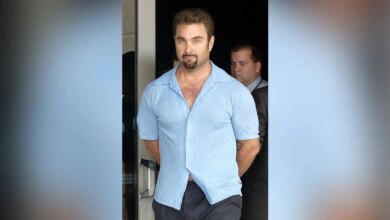
Joseph Ippolito, a convicted drug trafficker with mob ties who knew O.J. Simpson and grew close to Al Cowlings, told federal prosecutors before his 2006 death that he possessed information about the disposal of evidence — possibly the never-recovered murder weapon. His brother Sam later told The New York Times that Ippolito returned home on June 12, 1994, with blood on his hands and a heavy bag he discarded in a Doheny Drive dumpster. Sam Ippolito subsequently sought payment for his story and recanted, according to the Times report.
The claims have drawn attention from Alan Dershowitz, who served on Simpson’s defense team. He told Fox News the case remains “open” and deserves fresh scrutiny. “I’ve often, right from the beginning, thought that this was very difficult for one person to have brought off,” Dershowitz said.


Forensic evidence presents a direct contradiction. Dr. Michael Baden, the forensic pathologist hired by Simpson’s defense to evaluate autopsy findings, told Fox News Digital there was “no scene, autopsy [or] scientific evidence of more than one attacker.” Baden examined the same wound patterns on Nicole Brown Simpson and Ronald Goldman that prosecutors attributed to a single assailant.
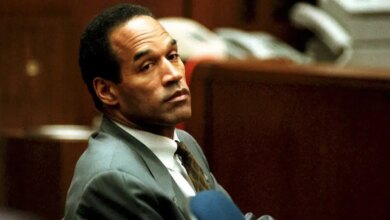
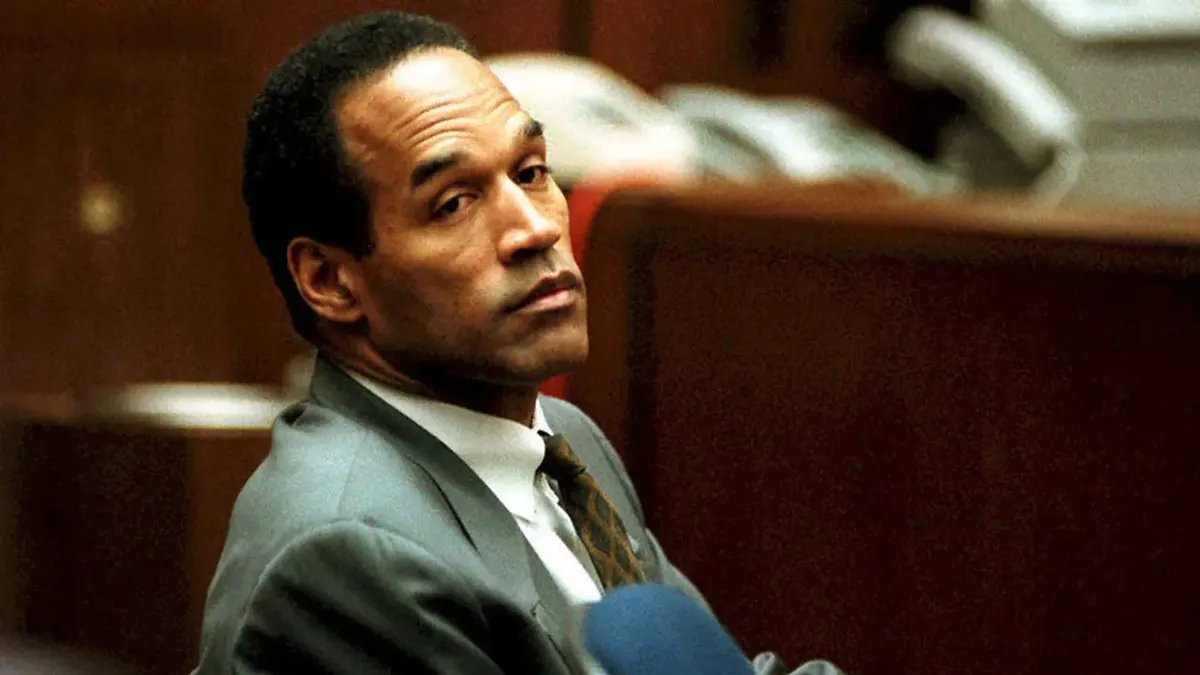
O.J. Simpson sits in Superior Court in Los Angeles in 1994 during an open court session. (POOL/AFP via Getty Images)
Charlie Ehrlich, a friend of Ippolito since 1971 who later became close with Simpson in Florida, said he believes a second person was involved — though he has no idea who. Ehrlich was charged in connection with Simpson’s 2007 Las Vegas memorabilia robbery but never charged in the 1994 murders.
The legal architecture for acting on such claims is nearly nonexistent. Simpson died in 2024. Cowlings has not responded to requests for comment. Ippolito died in 2006. His brother recanted. No physical evidence has been produced. The murder weapon was never found.

Jailhouse informants occupy a notoriously unreliable tier of the criminal justice system. A 2005 Northwestern University study found that false testimony from incentivized witnesses contributed to 45% of wrongful capital convictions later overturned by DNA. Federal prosecutors routinely warn juries that informants receive benefits — reduced sentences, immunity, cash — in exchange for cooperation.
Ippolito fit the profile. A former cigarette boat racer and restaurateur, he faced federal drug charges when he offered information on the Simpson case. The government never used his testimony at trial. No charges were ever filed against Ippolito, Cowlings, or any Simpson associate in connection with the murders.
California has no statute of limitations for murder. But practical barriers function as a de facto one. Without a living suspect, physical evidence, or a credible witness willing to testify under oath, prosecutors have no actionable path. The Los Angeles County District Attorney’s office has not announced any review.
Dershowitz acknowledged the evidentiary vacuum. “This should be looked at,” he said. “This is not a closed case.” Yet the distinction between legally open and practically prosecutable remains vast. The Goldman and Brown families have not commented on the latest claims.
The Simpson case has generated a permanent media economy. True crime podcasts, documentaries, and periodic “new evidence” reports sustain public interest decades after the 1995 acquittal. Each cycle follows a pattern: a witness emerges, experts weigh in, forensic reality checks the narrative, and the case returns to stasis.
Baden, who has consulted on hundreds of high-profile cases, put it bluntly: scientific evidence doesn’t age. The wound trajectories, blood spatter patterns, and defensive injuries documented in 1994 remain the same. They point to one attacker.