6,000 Sailors Trapped as Hormuz Attacks Hit 100
Fraudulent ship registries and false flags are driving up casualties as the IMO warns operators to avoid the waterway entirely.
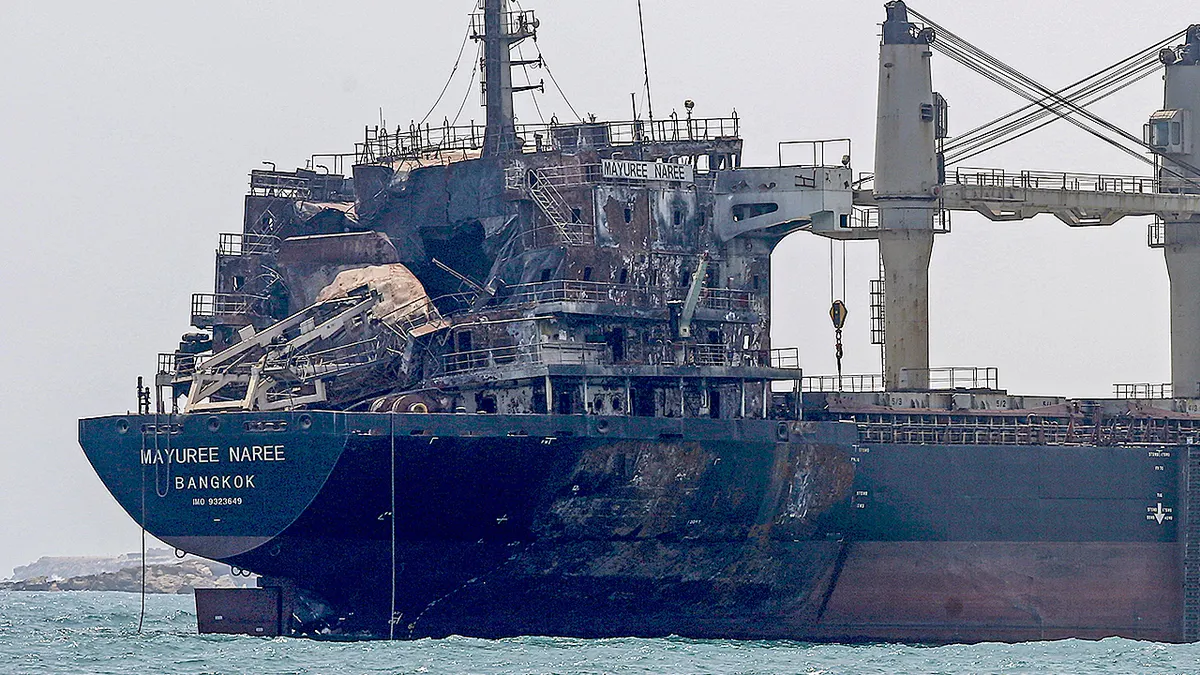
Roughly 6,000 merchant sailors remain stranded near the Strait of Hormuz after 24 ships were attacked in a two-week span, pushing the total number of confirmed maritime incidents to 100 since hostilities began Feb. 28, according to the International Maritime Organization (IMO).
Twenty-four seafarers have been killed.
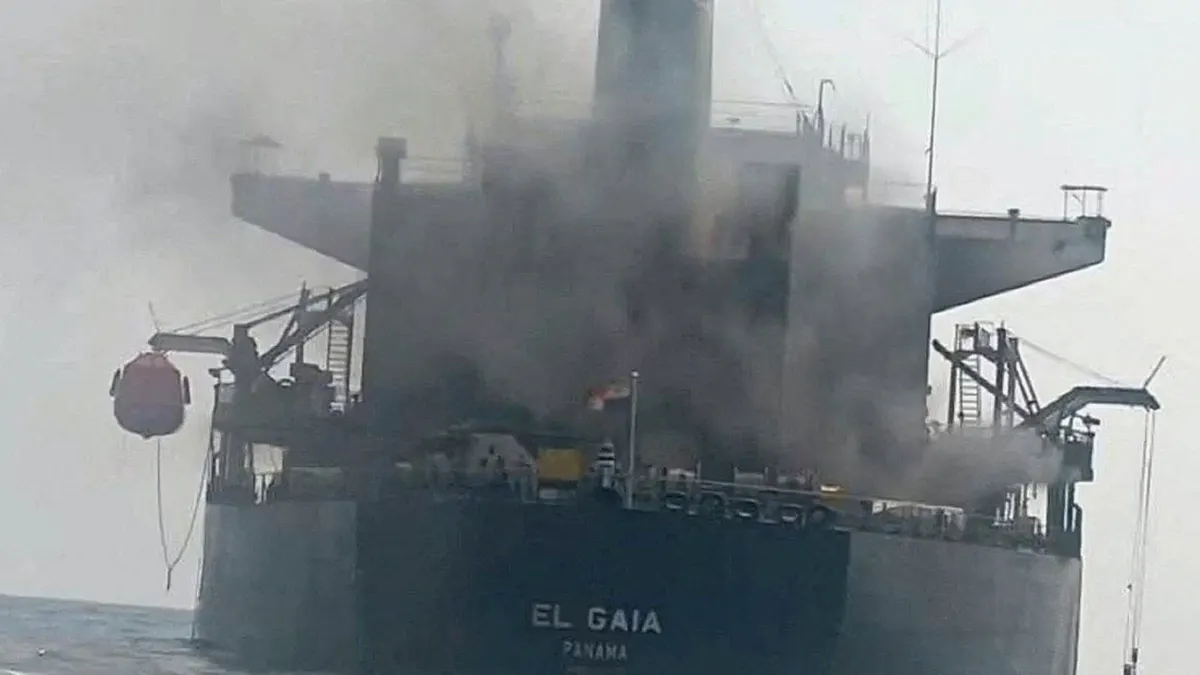
The casualty figures and blockade gridlock are being driven largely by fraudulent ship registrations and false flags, IMO Secretary-General Arsenio Dominguez told Fox News Digital on Sunday. Irresponsible shipowners are using unregistered shuttle tankers to move cargo through the contested waterway, he said, turning commercial crews into targets.


“Seafarers are not trained for combat, and they are not guilty of any conflicts that are happening around the world,” Dominguez said. His direct instruction to the shipping industry was explicit: do not transit the Strait of Hormuz until security guarantees are established.
The warning followed an Oct. 9 complaint filed by Iran alleging U.S. military forces hijacked VHF Channel 16 — the internationally designated maritime distress frequency — to intimidate civilian crews. The letter, submitted by Iranian Ambassador Seyed Ali Mousavi and circulated to IMO member states, accused American forces of broadcasting threats in Persian and urging mariners to abandon their vessels.
Tehran provided no audio recordings or transcripts to support the claims. Fox News Digital could not independently verify the accusations.
U.S. Central Command (CENTCOM) defended its operations. “The U.S. naval blockade has been in place for months and is professionally communicated to all international mariners,” CENTCOM said in a statement, noting that non-compliant vessels receive multiple warnings before enforcement action.
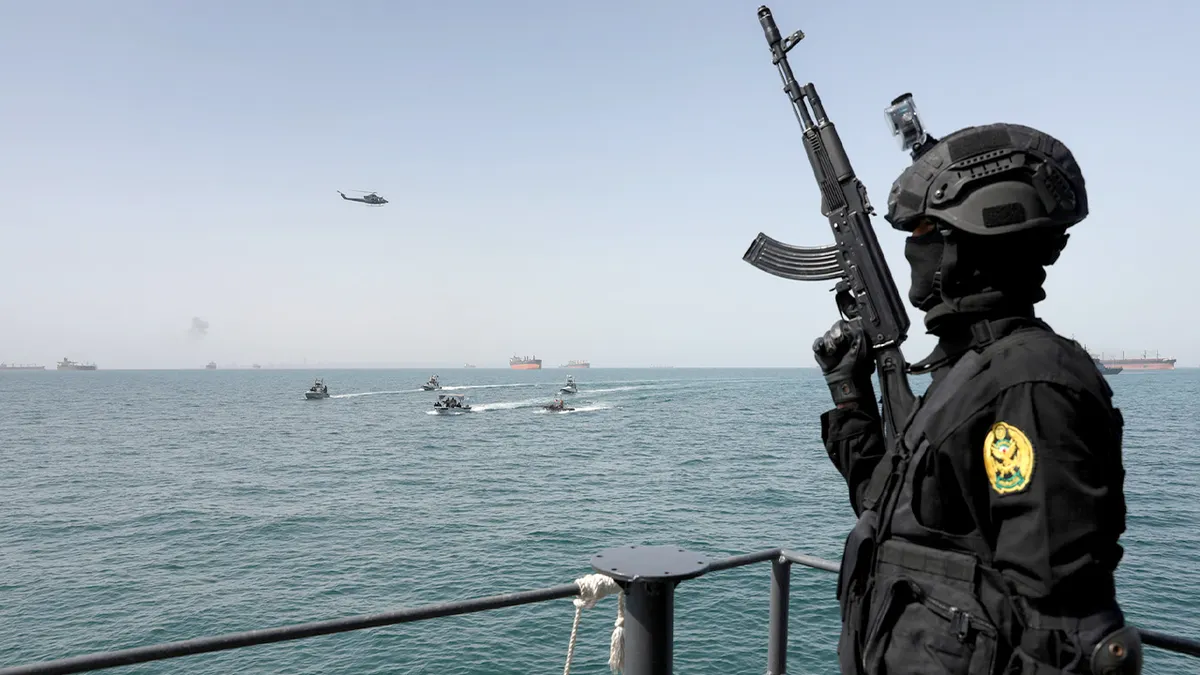
Channel 16 interference is not unique to this conflict. During Houthi attacks on Red Sea shipping routes over the past two years, commercial operators repeatedly reported unauthorized military traffic bleeding into emergency frequencies, complicating distress calls from bulk carriers and container ships taking fire.
Iran has asked the IMO to escalate the radio dispute to other international bodies, potentially including the International Telecommunication Union. Dominguez stopped short of announcing a formal investigation but indicated the agency may review its regulatory framework to determine if stronger safeguards are required for emergency channels.
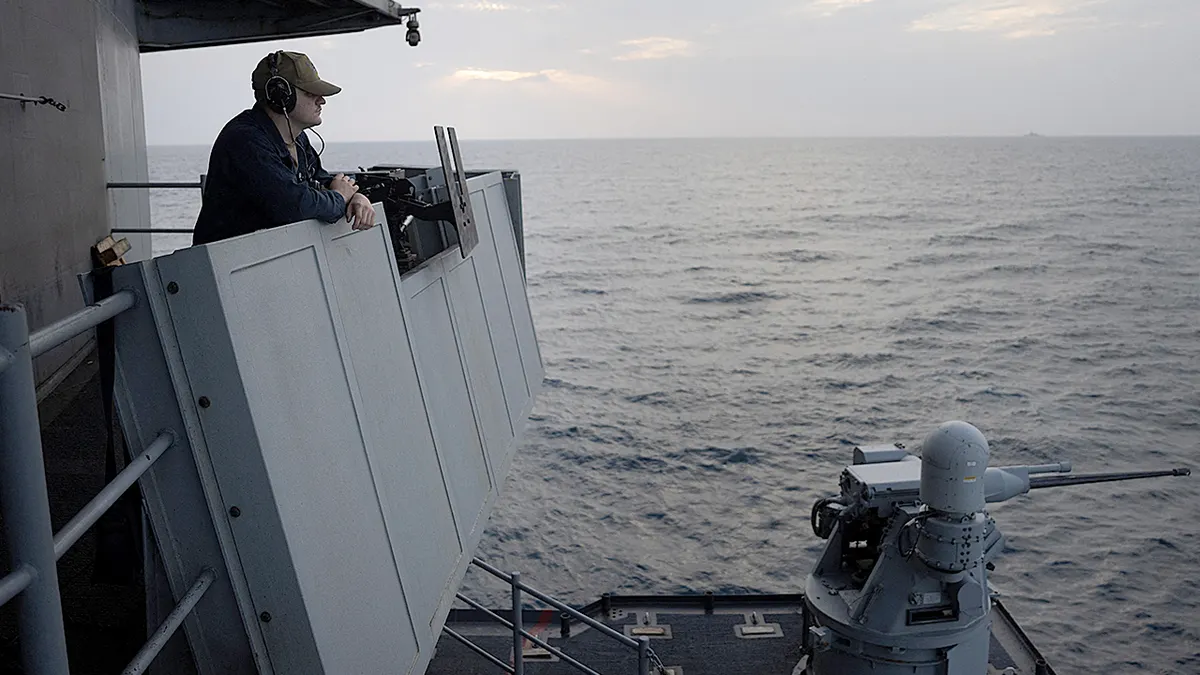
Diplomatic contact between the IMO and Tehran continues, though Dominguez noted he does not communicate directly with the Islamic Revolutionary Guard Corps (IRGC), which controls Iranian naval operations in the strait.
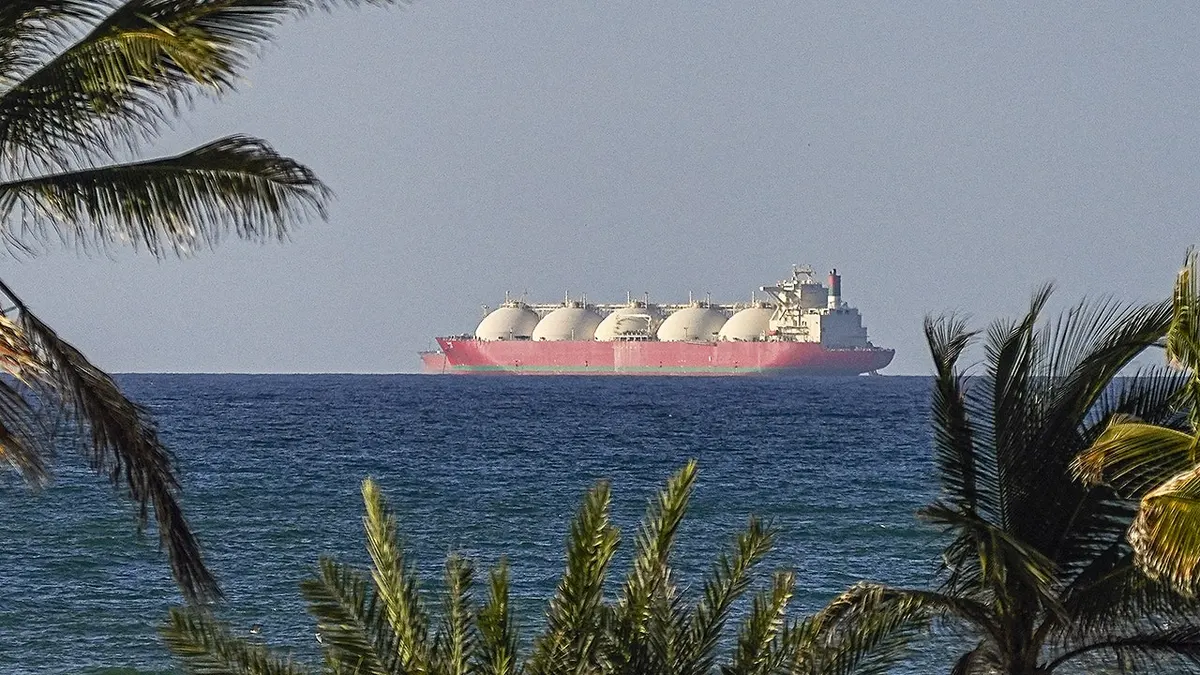
Fox News Digital reached out to the Iranian embassy for comment.