Shakur Stevenson Ditches Zuffa Boxing to Launch Own Promotion
The undefeated WBO super lightweight champion plans to self-promote and seek co-promotional deals after negotiations with Devin Haney collapsed.
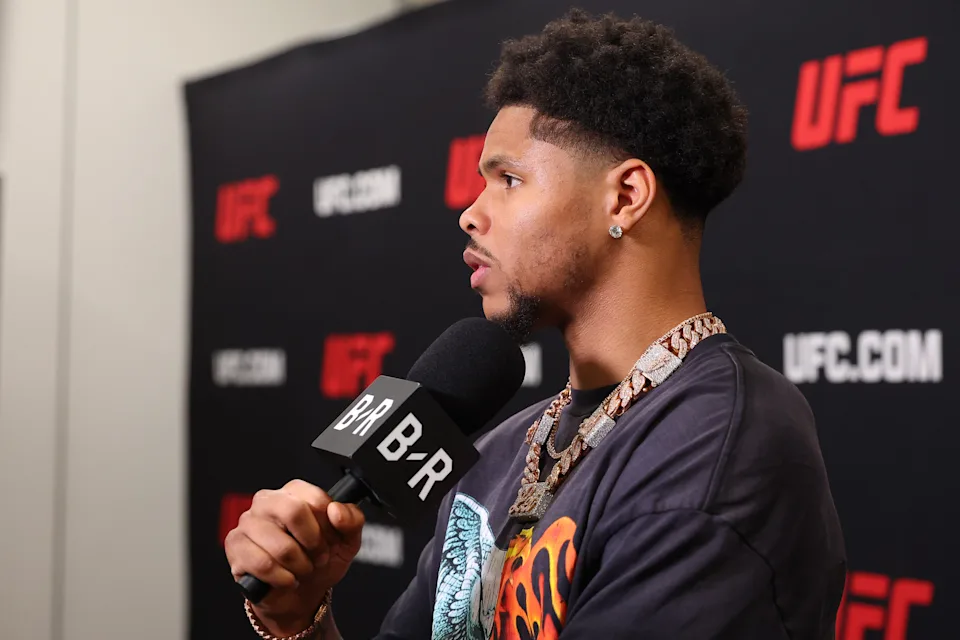
Shakur Stevenson is starting a promotional company. The 29-year-old WBO super lightweight champion confirmed Monday that he will operate as a free agent and seek co-promotional partnerships across all broadcast networks, ending a 101-day stint with Dana White’s Zuffa Boxing without ever stepping into the ring under its banner.
The move shifts the focus from a failed bout to a structural gamble. Stevenson (25-0, 11 KOs), currently ranked No. 4 pound-for-pound by Uncrowned, is betting on self-determination in an industry where fighters who promote themselves frequently collide with the same sanctioning bodies and network politics they are trying to escape. He stated on his YouTube channel that he intends to target fights at 135 or 140 pounds before eventually moving to 147 pounds “on my time.”
“I’ve been in camp for eight weeks preparing for fights I was told would happen but have not happened,” Stevenson said. He requested his release over the weekend. Zuffa Boxing granted it.


The immediate catalyst was a collapsed negotiation with Devin Haney. According to Stevenson’s account, talks stalled over weight limits and a proposed rehydration clause—contractual mechanisms that routinely derail elite matchups regardless of which promoter holds the pen. Zuffa Boxing and White have not publicly commented on the specifics of the breakdown or the release.
Stevenson’s departure tests whether TKO’s entry into boxing can retain top-tier talent when standard industry friction points emerge. Zuffa Boxing, formed through a partnership between TKO and Saudi Arabia’s Sela, launched earlier this year with Saudi General Entertainment Authority chairman Turki Alalshikh positioned as a leading figure. The venture promised to eliminate the bureaucratic hurdles that stall major fights.
Financial firepower has not been the issue elsewhere on the roster. Conor Benn signed an agreement with the organization worth a reported $15 million to face Regis Prograis on the Fury vs. Makhmudov undercard. Yet capital alone did not bridge the contractual gap between Stevenson and Haney.
Shakur Stevenson’s time with Zuffa Boxing was short-lived.
(Ed Mulholland via Getty Images)
Self-promotion carries steep historical risks. Boxers who leave established promotional structures often find that controlling their own destiny requires negotiating directly with the very entities they bypassed. Stevenson’s stated willingness to work with any network or promoter willing to be “serious about my career” suggests a hybrid model rather than total independence, though executing that strategy while holding a world title demands constant leverage.
His last appearance came in January, when he defeated Teofimo Lopez to claim the WBO super lightweight belt. He signed with Zuffa Boxing in July. Three months later, he is back to square one, managing his own business operations while hunting for an opponent at either weight class.