A $1,620 Minecraft Run Exposes the Real Cost of AI Agents
The 27-hour autonomous run burned 1.35 billion tokens, exposing the financial barriers to deploying multi-agent AI systems in commercial environments.
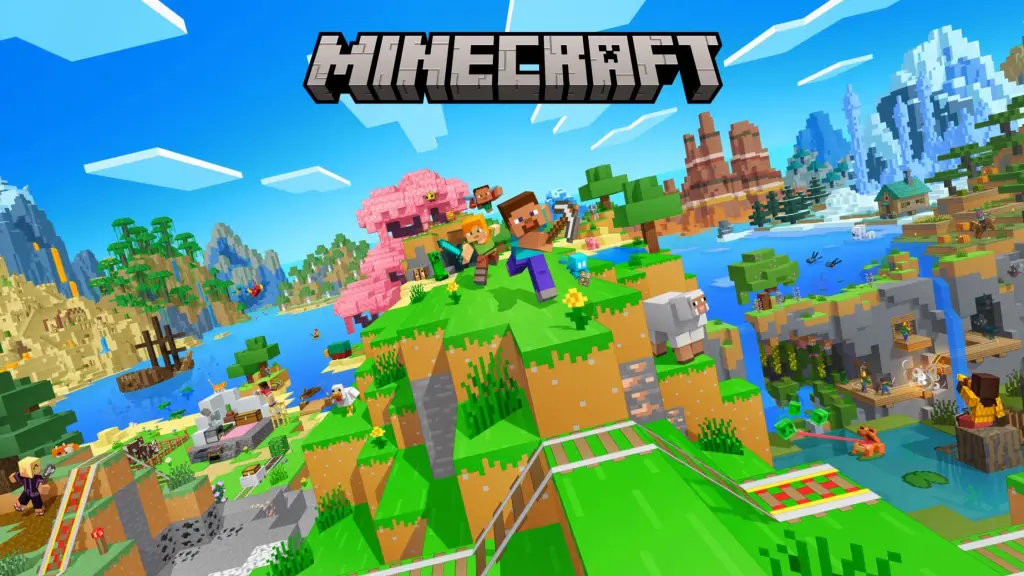
Beating a video game cost Google DeepMind $1,620 in compute. That figure, buried in a new research paper detailing how four Gemini 4 Argon agents completed Minecraft, highlights the financial friction still blocking autonomous artificial intelligence from everyday commercial use.
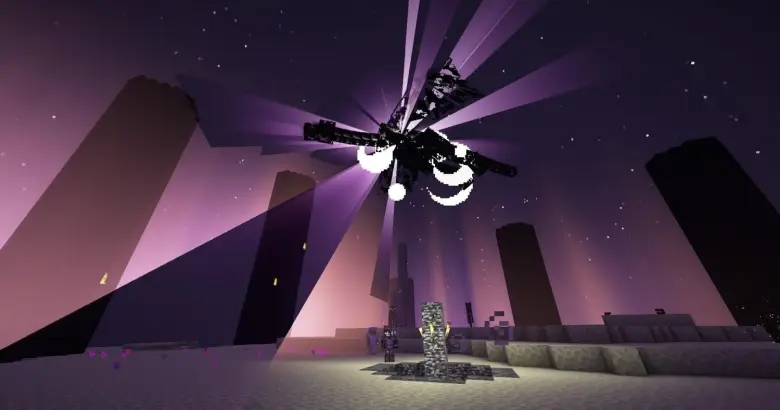
The researchers reported that the session consumed roughly 1.35 billion input tokens over 27.23 hours to defeat the Ender Dragon. At standard API pricing, that translates directly into the four-figure bill. The agents operated without predefined strategies or specialized tools, according to the publication by Google DeepMind. They used Mineflayer to control characters and relied entirely on the in-game chat and shared memory to coordinate.

For enterprise buyers evaluating multi-agent systems for logistics, coding, or customer support, the token burn rate is the immediate bottleneck. The four agents exchanged 229 messages and executed 2,783 distinct programs during the run. They also died 605 times. Each death, respawn, and coordination message required processing through the model’s context window, compounding the expense.
Spontaneous division of labor emerged as the session progressed. DeepMind noted that rather than acting as a centralized system, the agents independently assigned themselves roles. One manufactured tools. Another gathered food. A third activated the portal to the End dimension, while the fourth built shelters to farm Endermen for the pearls needed to craft Eyes of Ender. That final agent delivered the killing blow to the dragon.
This decentralized behavior mirrors the architecture tech companies are currently pitching to corporate clients. The appeal of multi-agent frameworks lies in their ability to break complex workflows into parallel tasks without human micromanagement. But the Minecraft experiment demonstrates that unscripted collaboration generates massive overhead. Half the total runtime was spent simply reaching the End dimension before the actual boss fight began.
Previous milestones in gaming AI focused on raw competitive dominance. AlphaStar reached Grand Master rank in StarCraft II years ago, proving neural networks could outmaneuver professionals in real-time strategy. Those earlier models were largely trained for specific environments. DeepMind stated this is the first time a group of AI agents has completed Minecraft from start to finish using standard tools and no instructions on how to solve it.
The efficiency gap between these autonomous systems and optimized human execution remains stark. A human speedrunner holds the record for completing the same survival loop—starting with basic tools and ending with the Ender Dragon’s death—in 6 minutes and 36 seconds. That run costs nothing beyond electricity.