GOP Pours Millions Into Farm States as Diesel Hits $6.30
A 70% spike in fuel costs and declining net farm income are testing Republican dominance in states Trump carried easily two years ago.
Diesel fuel hit $6.30 a gallon on Friday, up more than 70% from a year earlier, according to motor club AAA. That single number is driving an unprecedented Republican spending panic across Kansas, Nebraska and Iowa weeks before the midterm elections.
Senate Republicans have funneled nearly $15 million into Nebraska to defend Sen. Pete Ricketts against independent candidate Dan Osborn in a state President Donald Trump won by 20 percentage points in 2024. The Club for Growth is pouring millions more into Kansas and neighboring states after its president, David McIntosh, acknowledged a drop-off in voter enthusiasm among agricultural producers squeezed between higher input prices and shrinking international markets due to retaliatory tariffs.
The financial math has turned hostile. The U.S. Department of Agriculture projected in September that net farm income will decline 2.6% this year while production expenses climb 4.5%. Fuel and oil costs alone are expected to jump nearly 30%. For operators running combines and hauling grain during harvest, those are not projections. They are daily cash outflows.

Trump signed an executive order earlier this month easing limits on the tax-free use of red-dyed diesel, claiming it would save farmers millions. It followed a $12 billion aid package announced in December. Neither measure reversed the underlying cost structure driven by refinery constraints and supply disruptions tied to the ongoing war with Iran.
Glenn Brunkow, a fifth-generation Kansas farmer and president of the Kansas Farm Bureau, said margins are tight and anything cutting into them hurts. His organization endorsed Republican Sen. Roger Marshall, who faces Democrat Adam Hamilton in a race that has alarmed GOP strategists in a state where Democrats have not won a Senate election in 94 years.
“He’s made some unforced errors,” Brunkow said of Trump. “Miscalculations, bad advice, that had unintended consequences.”
Don Hineman, a western Kansas rancher and former Republican state House majority leader, pointed to factors beyond commodity prices. Recent immigration raids in western Kansas detained more than 100 people, disrupting local labor pools.
“We need a secure border — we can all agree on that,” Hineman said. “But we also need workable immigration policy that provides the workforce that the United States has always depended on and will always continue to need.”
Hineman said he is tired of being persuaded by charges that the boogeyman is going to get voters and is willing to consider alternatives to the Republican Party.
Debbie Geneva, 61, of Nortonville, Kansas, said she has never voted for a Democrat but remains undecided in the Senate race after meeting Hamilton at a local market. She cited rising healthcare costs and trade agreements that she said have done the Midwest no favors.
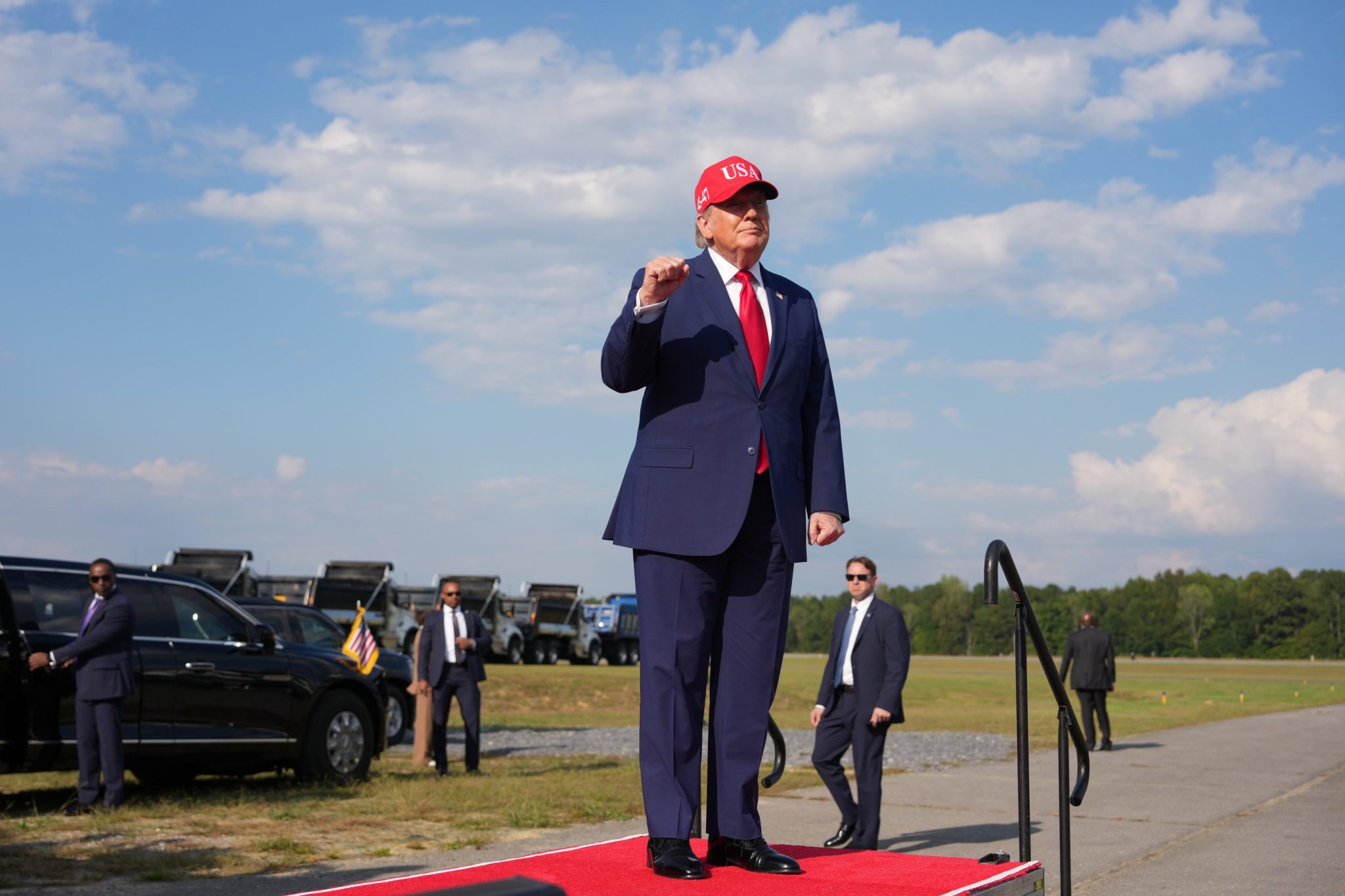
Trump heads to Kansas on Monday and Iowa on Thursday to campaign in states defending competitive races for governor and Senate. Iowa is another agricultural stronghold where economic frustrations have entered the political debate.
Former Montana Sen. Jon Tester, a third-generation farmer who lost reelection in 2024, compared the current landscape to the 1980s farm crisis when neighbors left town. He said there is no doubt Democrats will perform better than expected in agricultural states because operators have to pay bills at the end of the month and it has been hard to do for a number of months.
“The economics in family farm production agriculture right now are probably worse right now than they were in the 1980s,” Tester said.
Cappelletti reported from Washington. Associated Press journalist Nick Ingram contributed to this report.