

President Donald Trump said Friday that Russian President Vladimir Putin agreed to supply millions of tons of diesel fuel to the United States and global markets, a move aimed at reversing a severe price surge driven by the ongoing conflict with Iran and disruptions across critical maritime shipping lanes.
According to Trump, Russia will immediately deliver more than 300,000 tons of diesel, followed by 500,000 tons in November and 1 million tons shortly after. He added that Russia plans to ship an additional 3 million tons once its refinery capacity allows. The announcement was posted on Truth Social following what Trump described as a “highly successful discussion” with Putin.
The proposed influx of Russian fuel represents a dramatic shift in energy trade dynamics. Since 2022, Western nations have enforced strict price caps and sanctions on Russian petroleum products to limit Moscow’s revenue from the war in Ukraine. A direct, large-scale transfer of Russian diesel into the American market would require either new executive waivers or a fundamental restructuring of current sanctions enforcement. Unlike crude oil, which must be refined domestically, diesel is a finished distillate that can immediately enter the supply chain, making it a faster mechanism for relieving pump prices if logistical hurdles are cleared.


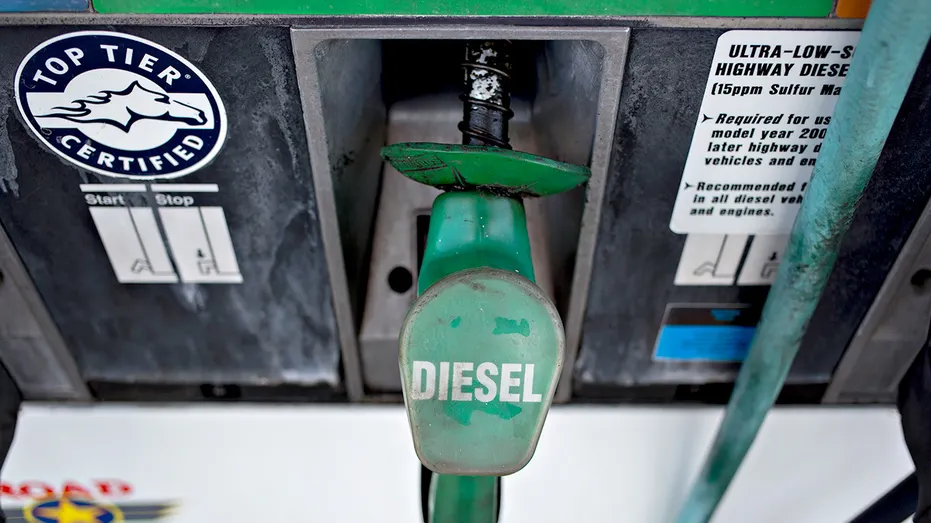
The push for emergency fuel supplies comes as the national average price for diesel reached $6.26 per gallon last month. That threshold has already triggered a wave of bankruptcies among trucking and freight companies operating on thin margins. Diesel powers roughly 70% of U.S. freight tonnage, meaning prolonged spikes rapidly inflate costs for agricultural operations, manufacturing, and consumer goods delivery.
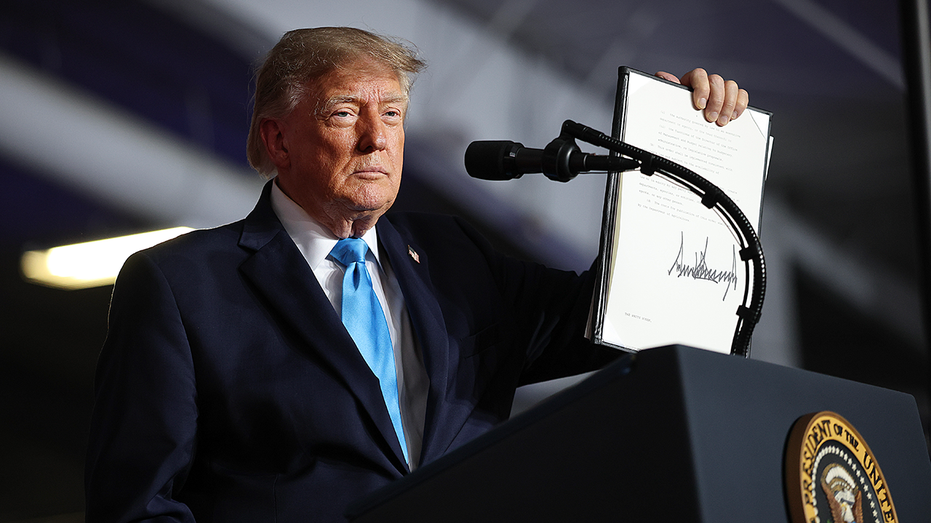
To provide immediate domestic relief earlier this week, Trump signed an executive order temporarily expanding access to red-dyed diesel for highway use. Red-dyed diesel is typically reserved for off-road applications such as farming equipment, construction machinery, and heating oil because it is exempt from federal and state highway taxes. Allowing it onto public roads effectively subsidizes fuel costs for commercial transport but reduces tax revenue allocated for highway maintenance and infrastructure projects.
Global supply constraints have intensified due to military operations involving Iran. Trump stated Friday that U.S. forces established a naval blockade at the Strait of Hormuz, asserting total control over the waterway. He claimed the U.S. extracted 28 million barrels of oil through the strait in a single day, describing it as a record volume.
The Strait of Hormuz serves as the primary transit corridor for approximately 20% of the world’s daily oil consumption. Any military disruption or blockade in the narrow channel immediately restricts global flows of both crude and refined products. While securing the strait prevents further supply shocks, the military posture itself introduces geopolitical risk premiums into energy markets.
Republicans have pressed the administration to stabilize energy costs before the November midterm elections. High fuel prices historically erode incumbent party support, particularly in rural districts where agriculture and long-haul trucking form the economic base. Tennessee farmer and rancher Mitchell Kolinsky noted the acute pressure elevated diesel costs place on agricultural operations, where fuel is required for planting, harvesting, and transporting livestock.
Speaking at the White House on Friday, Trump predicted prices would soon fall sharply, tying the forecast directly to the resolution of the conflict with Iran. “They have no military. They have no navy, they have no air force, they have no anti-aircraft,” Trump said. “The prices will come tumbling, and it’s all going to be over soon one way or the other.”
The White House has not yet released a detailed timeline for when the first Russian diesel shipments would arrive at U.S. ports or how the cargo will be distributed through existing wholesale networks.



