Bugatti Scrapped Rocket Thrusters to Build a V16 Instead
Mate Rimac says his teams researched cold thrusters for the Nevera in 2020 before pivoting to the Tourbillion's V16 engine.
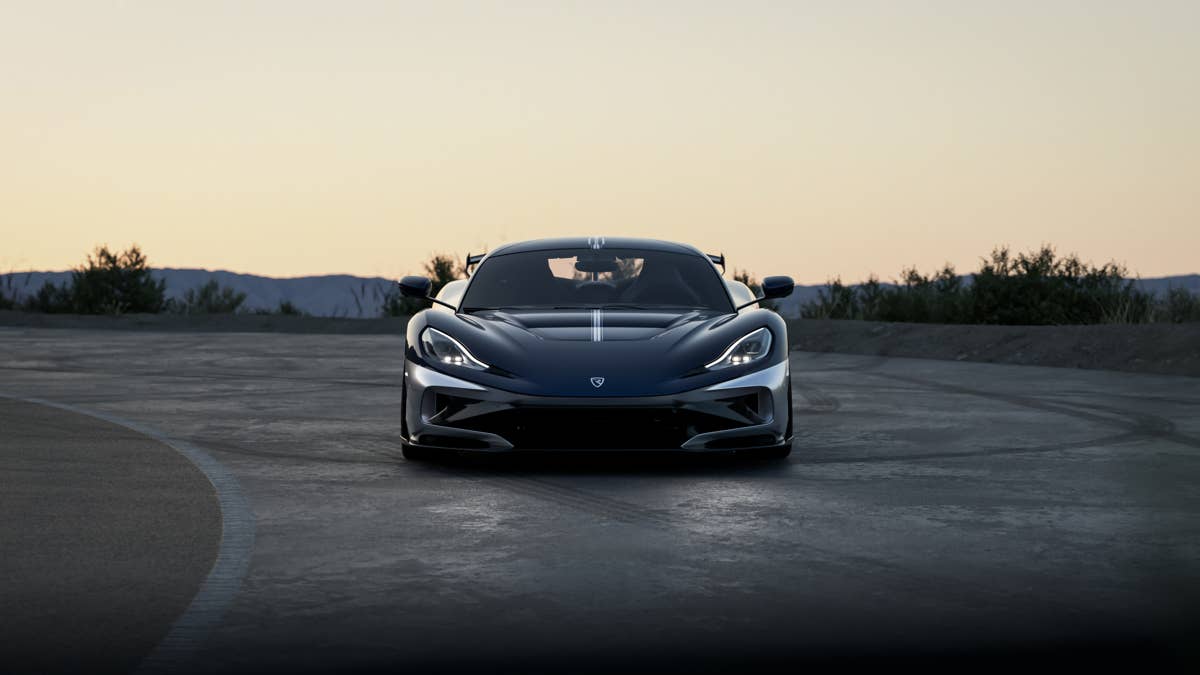
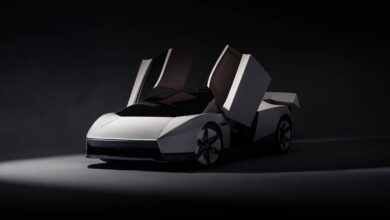
Bugatti engineers considered outfitting their hypercars with rocket thrusters years before Tesla unveiled the feature on its new Roadster, but abandoned the concept to develop a naturally aspirated V16 engine instead. Mate Rimac, who leads Bugatti through his company’s joint venture with the French marque, confirmed the automaker explored compressed-air propulsion systems as early as 2019.
The disclosure shifts focus from Tesla’s headline-grabbing hardware to a broader engineering debate inside the ultra-luxury performance sector: whether extreme electric vehicles should mimic spacecraft or push internal combustion into uncharted territory. Bugatti chose the latter. Rimac’s own brand leaned toward electrification without the aerospace theatrics.
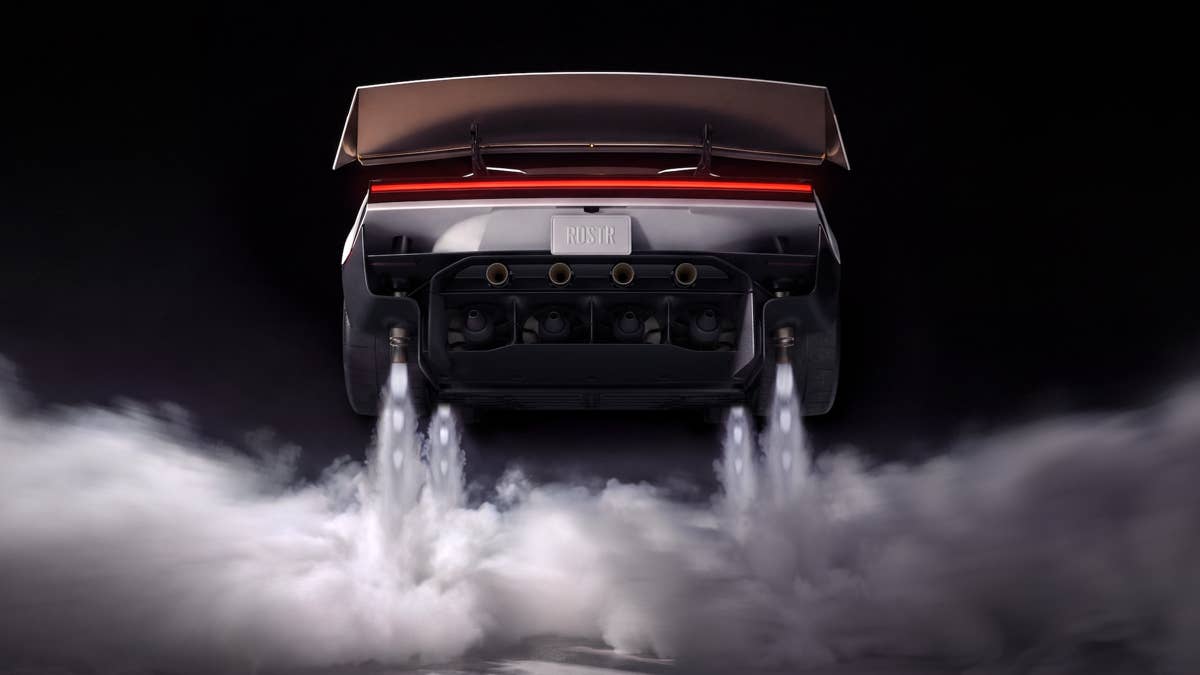
According to a post published on Entrelligence’s Instagram page, Rimac said his team circulated an internal email in 2019 discussing “static downforce” generated by onboard thrusters. By 2020, the Rimac brand had expanded that research, investigating “cold thrusters” specifically for the Nevera electric hypercar. The goal was integrating these “otherworldly” technologies into the Nevera’s successor, targeting both hyper acceleration and brief flight capability.
None of it reached production. Rimac noted the engineering teams concluded they could not pursue every experimental technology simultaneously. Resources shifted toward developing the Tourbillion, Bugatti’s next-generation hypercar powered by a bespoke naturally aspirated V16 engine — a powertrain configuration that stands in direct contrast to the all-electric approach favored by most hypercar startups.
Rimac characterized the thruster concepts as ambitious targets rather than finalized production features. He did not detail the depth of the engineering prototypes. His assessment of Tesla’s execution was complimentary. Rather than dismissing the American automaker’s approach, he pointed to the divergent engineering philosophies between the Roadster and the Tourbillion as evidence of an expanding market for extreme performance vehicles.
Tesla’s system draws directly from SpaceX hardware. It uses a cold-gas thruster architecture that replaces combustible fuel with pure compressed air stored in ultra-high-pressure tanks to generate instant propulsion bursts. While Tesla intends to sell the Roadster equipped with this technology, major road and automotive regulators have yet to clear the system for public use. Safety agencies are currently monitoring its legality, a hurdle that historically delayed or altered radical automotive innovations ranging from active aerodynamics to autonomous driving software.
The Rimac Nevera R Founder’s Edition, released recently, represents the current ceiling of the Croatian manufacturer’s production capabilities without aerospace hardware. Delivering over 2,100 horsepower, it relies entirely on advanced torque vectoring and battery output rather than pneumatic thrust to achieve its performance figures.