17-Hour Standoff: Fort Worth Fire Crews Battle EV Blaze
Lithium-ion battery risks forced Fort Worth firefighters into rotating two-hour shifts to prevent secondary ignitions at a Cadillac lot.
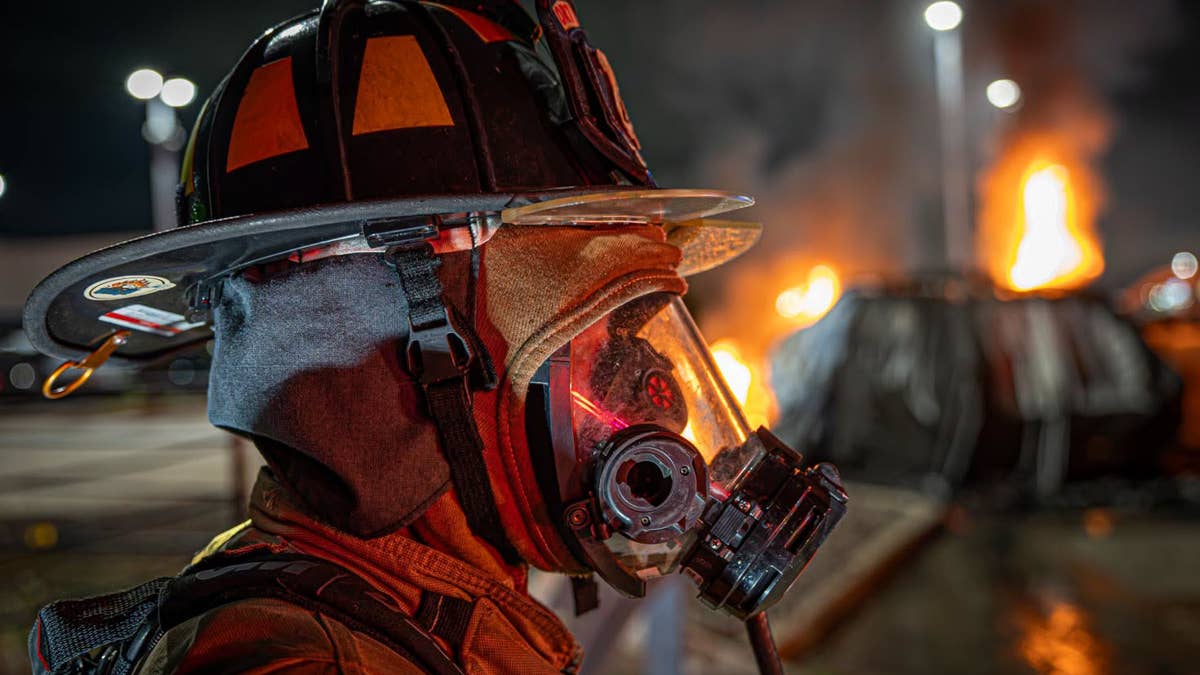
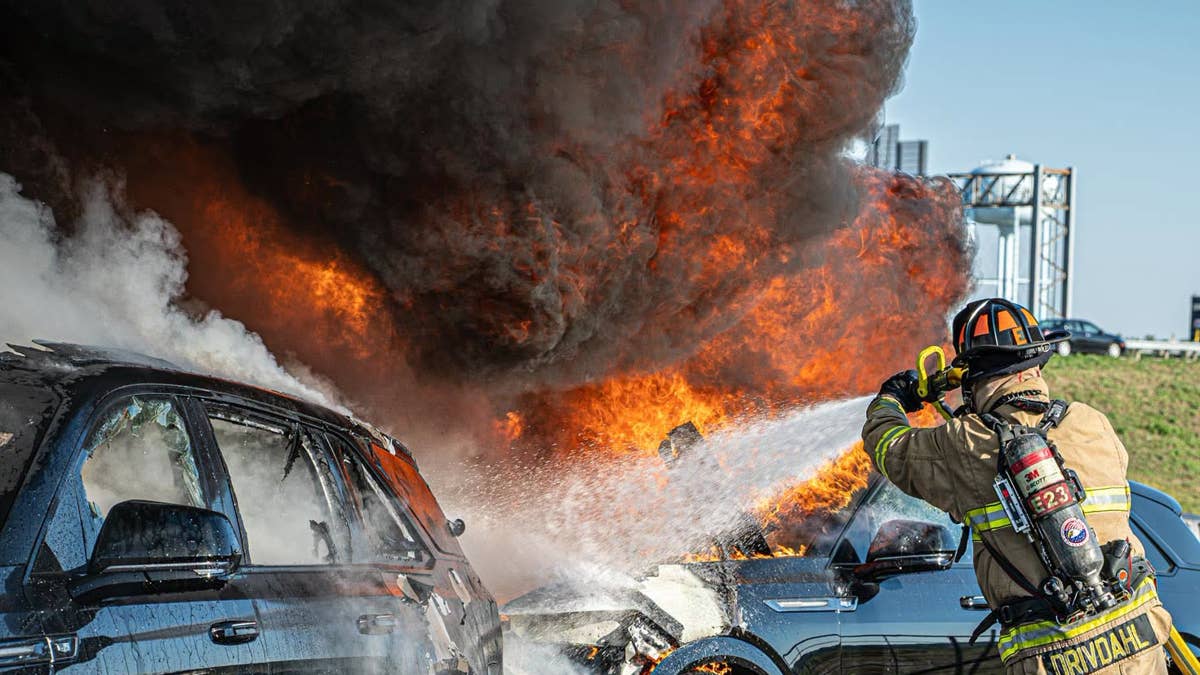
Six electric SUVs burned to the chassis at a Texas dealership last week, forcing firefighters into a 17-hour operation that stretched well past midnight. The fire at Frank Kent Cadillac in Fort Worth ignited around 5 p.m. on October 9. It destroyed six vehicles and scorched two others before crews finally cleared the scene at 10:28 a.m. the next day.
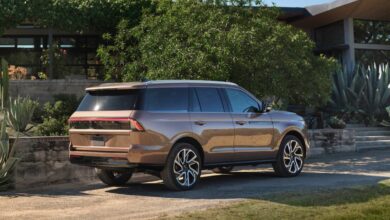
The lost inventory consisted mostly of Cadillac Escalade IQs. At roughly $130,000 per unit, the lot damage approaches $800,000. No one was hurt. The flames never jumped to neighboring properties.
What made the incident notable was not the dollar figure. It was the clock.
Fort Worth Fire Department personnel rotated in two-hour shifts to manage the burn. Lithium-ion battery fires do not behave like gasoline blazes. They generate their own oxygen through chemical decomposition, rendering traditional smothering techniques largely ineffective. Water cools the exterior casing, but the sealed architecture designed to keep road debris out also keeps suppression agents from reaching the failing cells inside.
Firefighters deployed specialized thermal blankets over the burning units. These covers trap radiant heat and limit flame spread, buying enough time for dealership workers to tow untouched inventory out of the blast radius. (Thermal containment blankets have become standard issue in several major U.S. fire departments following a string of high-profile lithium-ion fires in parking garages and transport ships over the past three years.)
Secondary ignition remains the primary threat during these events. A battery pack that appears extinguished can reignite hours later as internal short circuits propagate through adjacent modules. This phenomenon, known as thermal runaway propagation, is exactly why the Fort Worth detail stayed on site overnight rather than returning after the visible smoke cleared.
General Motors has not publicly identified the ignition source. Investigators are still examining the lot.
The Escalade IQ represents GM’s push into the ultra-premium electric market. The automaker is simultaneously navigating a National Highway Traffic Safety Administration probe covering more than a million vehicles over unrelated braking system defects. Dealership lot fires, while statistically rare compared to highway incidents, draw intense local scrutiny because they occur stationary, often fully charged, and surrounded by millions of dollars in identical stock.
U.S. fire services have logged a steady increase in EV-related responses since 2022. The National Fire Protection Association issued updated guidance last year recommending dedicated staging areas for damaged electric vehicles, precisely because of the prolonged monitoring requirements demonstrated in Fort Worth.