Texas Woman Gets 7 Years, Annual Jail Stints for Fatal DUI
The judge ordered 15 days of annual jail time during probation, timed to coincide with the victims' birthdays and the crash anniversary.
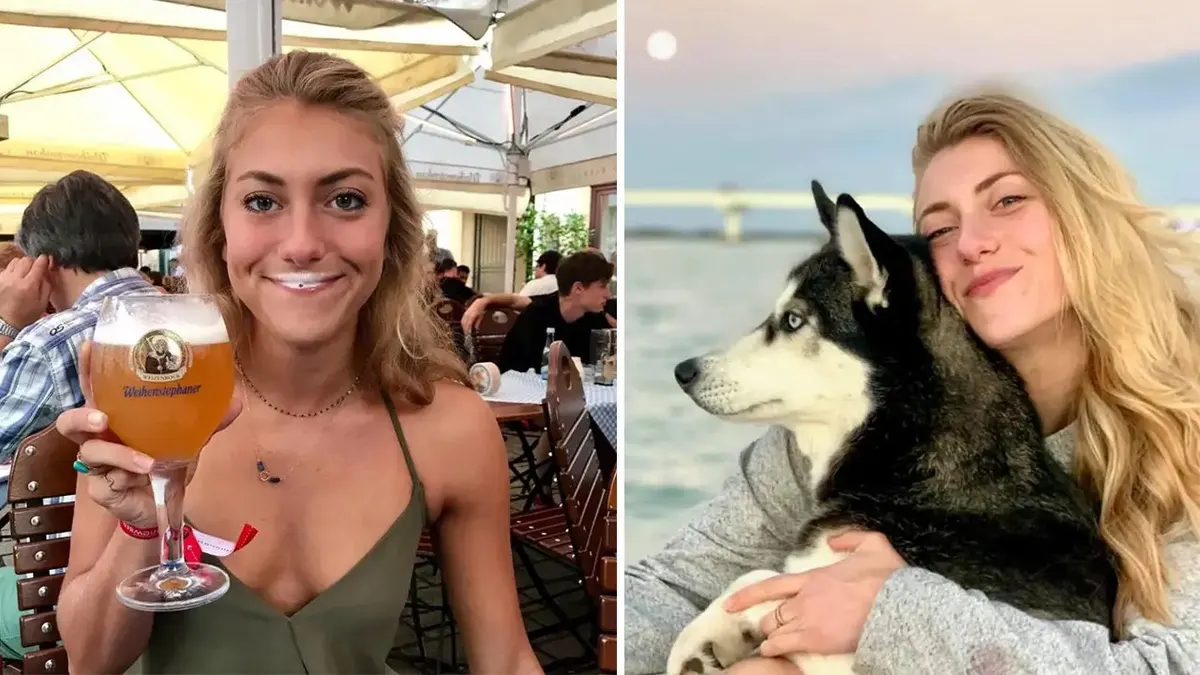
A Dallas judge has imposed a sentence that forces a convicted drunken driver back behind bars every year to mark the devastation she caused. Lynlee Pollis, 30, will serve seven years in a Texas state prison and spend 15 days in county jail annually during a subsequent decade of probation for killing a college student in a crash fueled by extreme intoxication.
State District Judge Jennifer Balido handed down the punishment Wednesday after a jury deliberated for roughly three hours following a two-and-a-half-week trial. The annual 15-day jail terms are not arbitrary. They are scheduled to align with the birthdays of the victims, Pollis’ own birthday and the Sept. 24 anniversary of the collision. This type of cyclical sentencing is rare in U.S. courts, designed to prevent offenders from psychologically distancing themselves from their crimes as years pass.
Pollis was convicted of intoxication manslaughter and intoxication assault stemming from a wreck that killed 19-year-old Southern Methodist University student Honor Wallace and left her friend, Catherine “CeCe” Solberg, permanently injured.


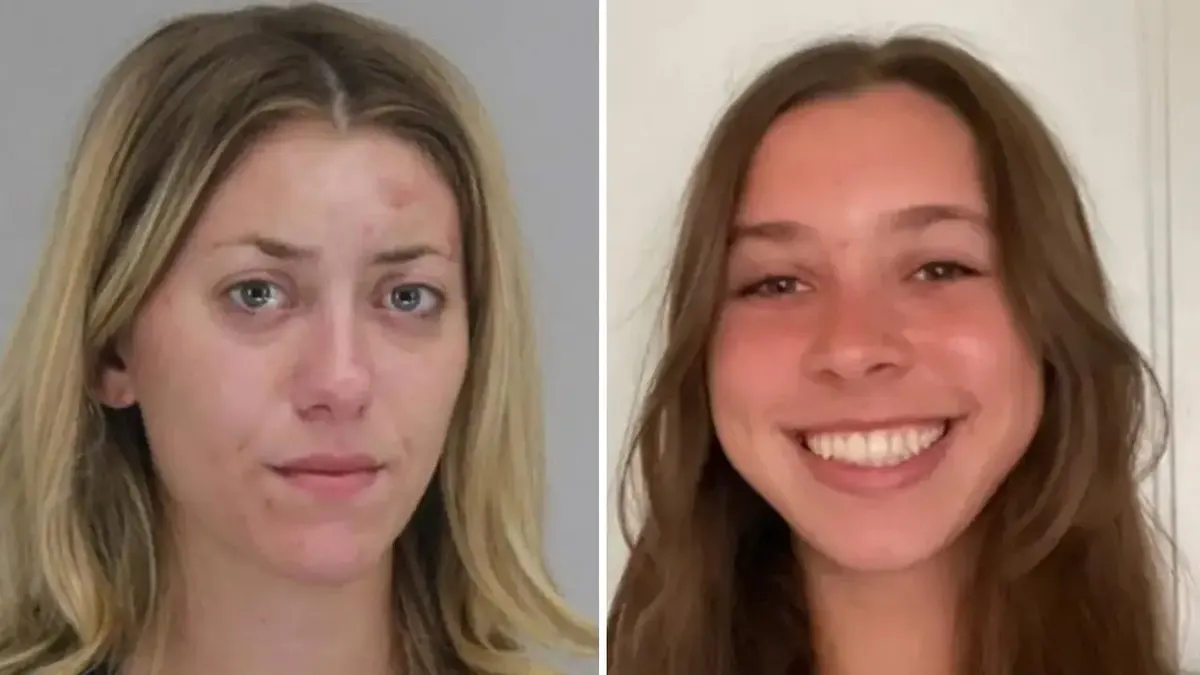
The mechanics of the crash revealed staggering recklessness. Prosecution experts testified that Pollis drove her Lexus SUV at approximately 67 mph through a 35-mph zone, blowing past a traffic signal that had been red for at least five seconds before slamming into Wallace’s Volkswagen Jetta. Wallace, who had the green light, died at a hospital. Solberg suffered a shoulder injury, a concussion and a subsequent diagnosis of traumatic brain injury.
Blood tests taken after the crash showed Pollis had a blood alcohol concentration of 0.294%. That figure is nearly four times the legal driving limit of 0.08% in Texas and all other U.S. states. At levels approaching 0.30%, medical literature indicates most individuals experience severe motor impairment, confusion and potential loss of consciousness, making vehicle operation virtually impossible to perform safely. Responding officers noted glassy eyes, slurred speech and the smell of alcohol when they interviewed Pollis at the hospital. Her husky, which was riding in the vehicle, survived without injuries.
During victim impact statements, the families confronted Pollis directly over what they described as a refusal to accept responsibility. Bobby Solberg criticized the decision to force a lengthy trial rather than plead guilty. “You were so drunk and you wouldn’t admit it. You made us sit through this [trial] for three weeks,” he said. “We’ve seen no personal accountability from you.”
David Wallace addressed the permanent loss of his daughter. “You took the most precious gift from us through your selfishness. Own it. Own what you did.”
Defense attorney Scott Palmer argued against incarceration, citing Pollis’ lack of prior felony convictions and describing her as a “good person who made a terrible decision.” The defense pushed for probation alone, but the jury and judge ultimately rejected that approach given the severity of the intoxication and the speed involved.

Under Texas law, intoxication manslaughter is typically charged as a second-degree felony carrying two to 20 years in prison. However, the state’s penal code allows for enhanced penalties if specific aggravating factors are proven, such as an exceptionally high blood alcohol content or causing multiple casualties. The seven-year sentence falls within the standard statutory range, while the hybrid probation structure adds a layer of judicial oversight uncommon in typical vehicular homicide cases.
Fatal crashes involving college students have prompted targeted enforcement efforts across Texas university corridors in recent years. The Texas Department of Transportation consistently reports that the state leads the nation in alcohol-related traffic fatalities, recording over 1,000 deaths annually in crashes where a driver was under the influence.
Pollis remains in custody awaiting transfer to the Texas Department of Criminal Justice to begin serving her prison term.