Alex Murdaugh Retrial: Judge Approves Destructive DNA Testing
Defense waives future appeals to run Y-STR analysis on the final biological samples from Maggie Murdaugh’s cellphone and fingernails.
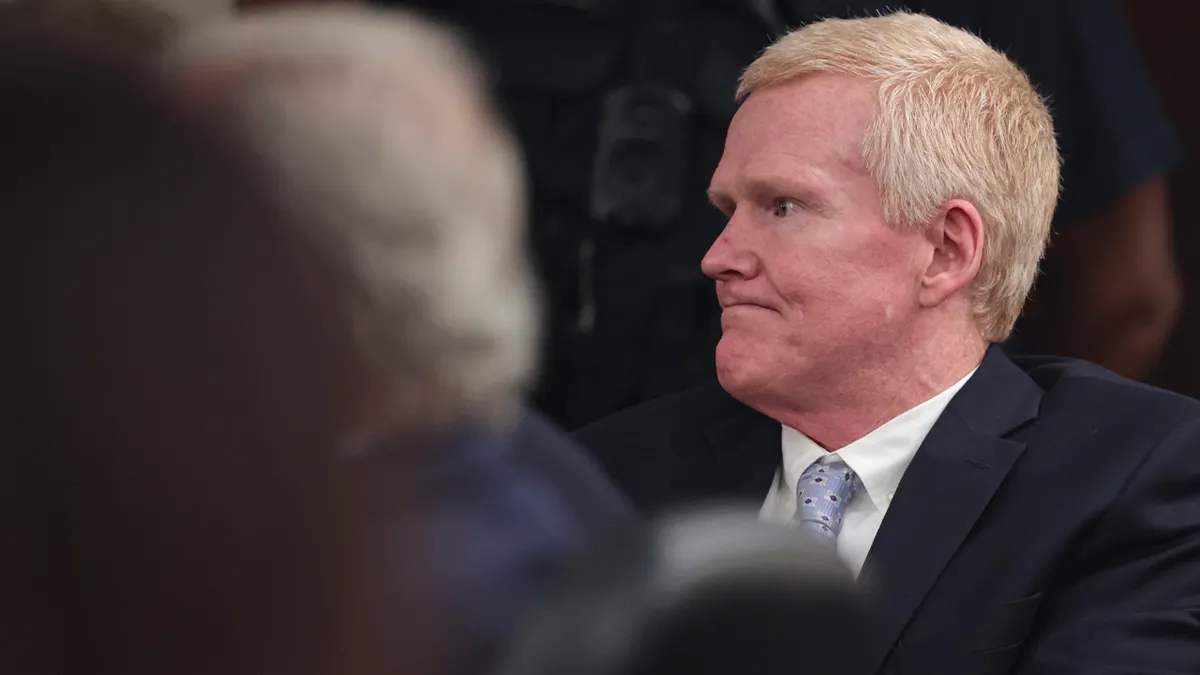
A South Carolina judge has authorized the consumption of the last remaining biological evidence from the 2021 murders of Maggie and Paul Murdaugh, approving a defense request to perform advanced genetic testing that will permanently exhaust the samples before Alex Murdaugh’s retrial begins in April 2027.
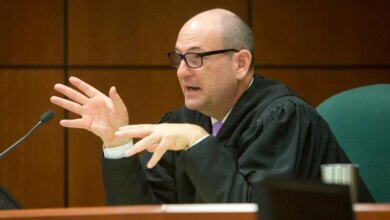
Circuit Judge Debra McCaslin ruled Friday that swabs recovered from Maggie Murdaugh’s cellphone and clippings taken from beneath her fingernails must be handed over for Y-STR analysis, overriding prosecution objections. The decision forces an all-or-nothing gamble for the defense: if the testing fails to produce actionable results, no biological material will remain for any future post-conviction review. Murdaugh explicitly waived his right to retest the evidence after trial, according to statements made in court by his attorney, Phil Barber.
The approved procedure relies on Y-STR testing, a forensic method that targets short tandem repeats located exclusively on the Y chromosome. Because the Y chromosome passes virtually unchanged from father to son, the technique is highly effective at isolating male genetic profiles from samples heavily saturated with female DNA — such as skin cells scraped from a victim’s hands. However, its primary limitation is an inability to distinguish between men who share the same direct paternal lineage. Brothers, fathers, sons, and even distant paternal cousins will generate identical or nearly indistinguishable Y-STR profiles, meaning a match can point to a family line but rarely identifies a single individual without supplementary autosomal DNA testing.

Barber argued that unidentified male DNA was detected across three separate items — both of Maggie Murdaugh’s hands and her discarded cellphone — suggesting a pattern that demands investigation. If a single male contributor is identified across all three locations, the defense intends to use that profile to argue another person committed the June 7, 2021, shootings at the family’s Moselle estate in Colleton County.
Lead prosecutor Creighton Waters characterized the maneuver as a high-risk strategy unlikely to yield usable data. Waters told the court that preliminary quantification reports returned by Othram, the Texas-based forensic genomics laboratory hired by the defense, showed effectively zero measurable Y-chromosome markers in the samples. Othram specializes in forensic genetic genealogy, utilizing next-generation sequencing to extract profiles from degraded or trace-level evidence that traditional crime laboratories often cannot process. The firm gained national prominence after assisting law enforcement in complex cold cases, including the identification of suspects through public genealogy databases.
Legal analysts outside the courtroom have questioned whether exhausting the physical evidence serves the defense’s interests. Former prosecutor Joshua Ritter noted that leaving the unidentified male DNA untested could have allowed Murdaugh’s attorneys to leverage its mere existence during cross-examination to establish reasonable doubt. By forcing a definitive test, the defense risks linking the genetic material to someone with a verified alibi or a mundane explanation for touching Maggie Murdaugh prior to her death, thereby neutralizing their own alternative-suspect theory.
McCaslin anchored her ruling in constitutional due process protections, determining that a defendant facing life imprisonment must be afforded a meaningful opportunity to present a complete defense, even when the requested scientific process carries a significant probability of failure. The 90-day testing window approved by the court places the expected completion date in early 2027, just months before jury selection is scheduled to begin.
Murdaugh’s path to a second trial stems from a rare procedural reversal. He was originally convicted in March 2023 and sentenced to two consecutive life terms. The South Carolina Supreme Court vacated those convictions after determining that former Colleton County Clerk of Court Becky Hill improperly discussed the case and influenced jurors during deliberations. Hill later faced criminal charges related to perjury and misconduct, though the fallout fundamentally reset the murder proceedings.
Beyond the double homicide, Murdaugh remains entangled in a sprawling financial scandal. He pleaded guilty in late 2023 to dozens of state fraud and money laundering charges involving the theft of approximately $12 million from clients and his former law firm. He is currently serving a 40-year federal sentence for related bank fraud and money laundering offenses, running concurrently with his state sentences.
Murdaugh is scheduled to return to the Lexington, South Carolina, courthouse on Nov. 13 for further pretrial hearings.