Mazda Slashes CX-5 Wiring Variants 80% to Bulletproof Output
Localized Yazaki production and an 80% drop in wiring variants prep the crossover for a 2027 hybrid rollout.
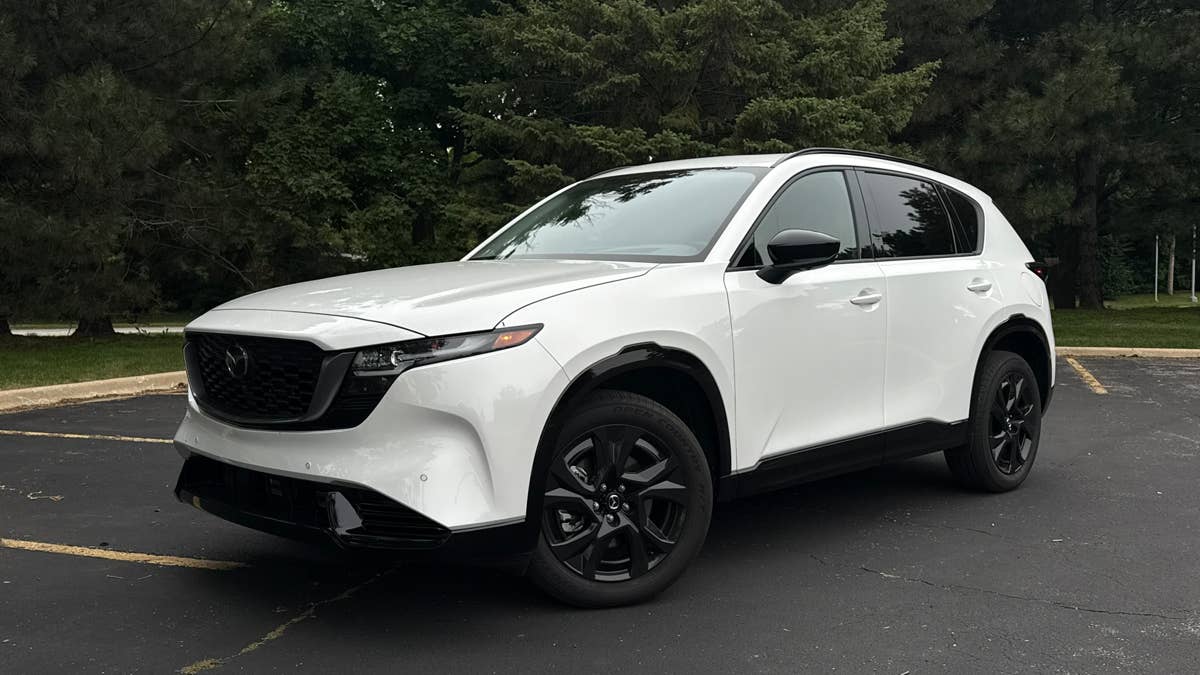
Mazda sold 11,345 CX-5 crossovers in the U.S. in September 2026. That is a 37.8% jump from a year earlier, and it forced the automaker into a quiet manufacturing overhaul back in Japan to keep the assembly lines moving without tripping over their own complexity.
The bottleneck was not engines or steel. It was wiring. Working with supplier Yazaki, Mazda tore up the electrical architecture of the CX-5, cutting the number of wire harness variants by roughly 80%. The old designs required too much hand-routing by workers. The new layout is built for automation, stripping out the manual labor that slows down modern vehicle assembly when software-defined features and advanced driver-assistance systems demand exponentially more connections.
Automakers learned exactly how fragile this specific supply chain is in early 2022. When Russia invaded Ukraine, European carmakers watched production halt almost overnight. Ukraine had been a primary hub for automotive wire harnesses—cheap, skilled, manual labor assembling the nervous systems of cars bound for Germany and beyond. Volkswagen and BMW idled plants within days of the invasion because they could not source replacements fast enough. A bundle of copper wires no thicker than a garden hose brought billion-dollar factories to a standstill.
Mazda is avoiding that geographic exposure entirely. The new harnesses are assembled at a Yazaki affiliate plant in Mine City, Yamaguchi Prefecture. From there, trucks haul them directly to Mazda facilities in Hiroshima and Yamaguchi prefectures. No ocean freight. No geopolitical chokepoints. The company did not release exact cost savings, but the logistics math of near-site production eliminates shipping delays and tariff variables.
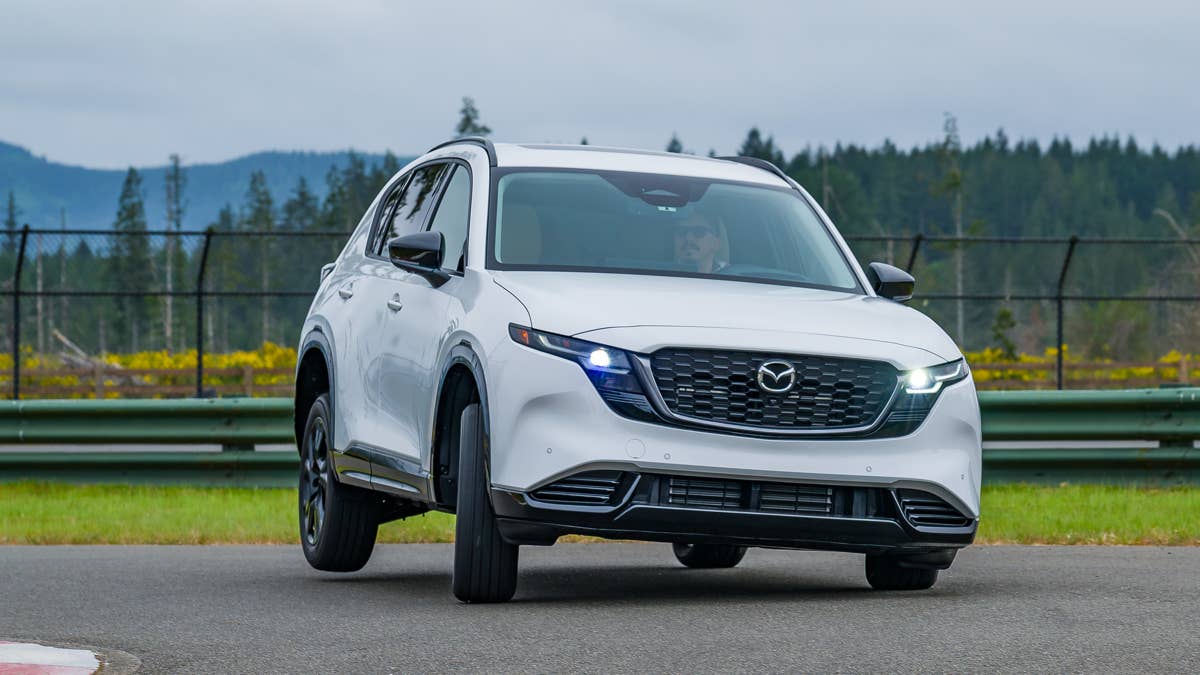
This localized fix applies only to Japanese-built vehicles right now. U.S.-assembled models like the CX-50, which rolls off a shared Toyota line in Huntsville, Alabama, operate outside this specific Yazaki arrangement. Whether the 80% variant reduction translates to American soil remains unconfirmed.
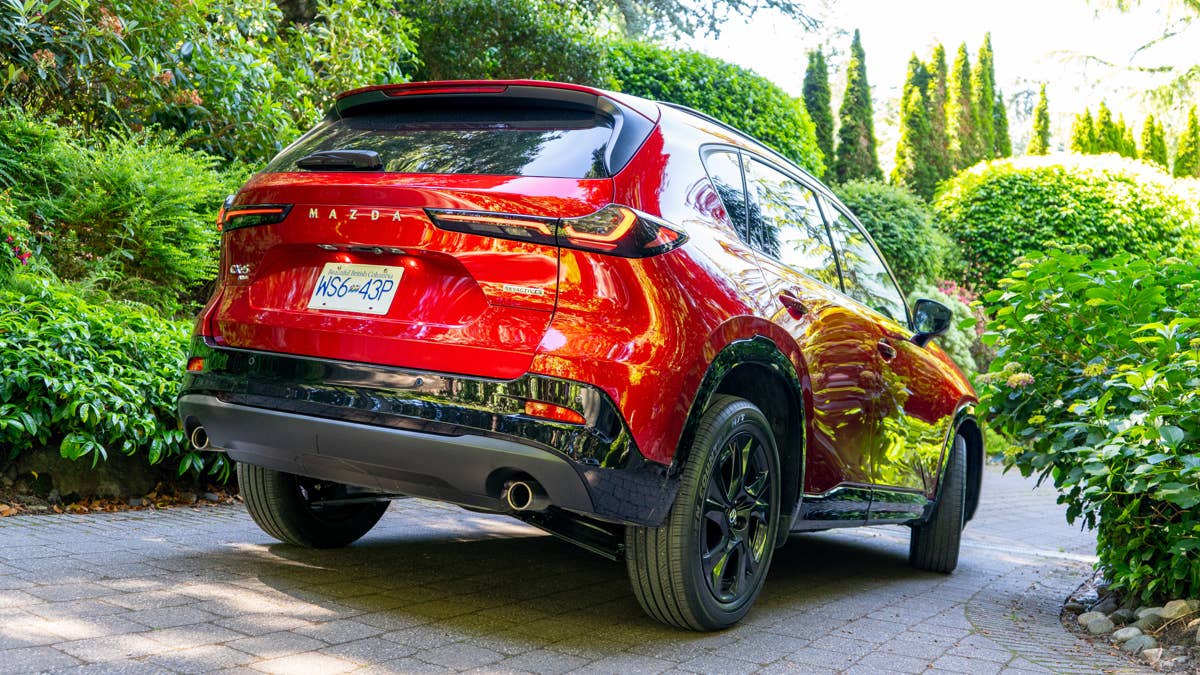
The CX-5 is the testbed. Mazda plans to push the same manufacturing changes across its broader lineup under an internal initiative called Manufacturing Innovation 2.0, a pillar of its 2030 Management Policy. The timing aligns with heavier electrical demands. By late 2027, the automaker intends to pair a proprietary hybrid system with its Skyactiv-Z engine in the CX-5. Electrified powertrains require significantly more high-voltage routing and signal distribution than internal combustion setups, making harness simplification a prerequisite rather than an efficiency bonus.
 View the 3 images of this gallery on the original article