League Classic Ends January 2027 as Riot Shifts to Events
Riot introduces windowed queues to fix matchmaking issues before the throwback mode transitions to a limited-time event format.
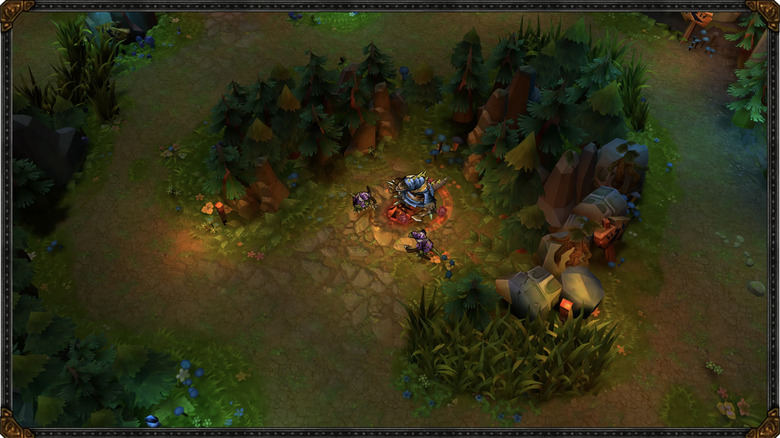
Riot Games will shut down League Classic in early January 2027, ending a throwback experiment that failed to sustain player interest beyond its July launch window. The permanent mode, designed to let players experience older iterations of League of Legends, will close alongside the end of Season 3.
Rather than abandoning the development work entirely, Riot plans to convert the concept into limited-time event modes. Future iterations will incorporate structural adjustments and additions based on feedback gathered during the initial run. This pivot mirrors how Riot manages other temporary formats, such as Nexus Blitz or URF (Ultra Rapid Fire), which cycle in and out of the client to drive short-term engagement spikes without fracturing the core player base permanently.
The immediate problem for remaining League Classic users is queue health. In several regions, the dwindling population has pushed matchmaking wait times to unsustainable levels. To address this before the January shutdown, Riot is implementing windowed queues—restricting matchmaking availability to specific hours when enough players are online to form matches quickly. Additional champions will also continue rolling into the restricted Classic pool through the final patches scheduled for 2026.


Recreating legacy versions of live-service games presents distinct technical hurdles compared to standard updates. Older builds often rely on deprecated server architectures, outdated anti-cheat integrations, and item or champion mechanics that conflict with modern engine updates. Maintaining a parallel version requires dedicated engineering resources separate from the primary game’s development pipeline.
Blizzard Entertainment demonstrated that legacy servers can function as long-term products when it launched World of Warcraft Classic in 2019, eventually expanding it into multiple progression paths. However, MMORPGs and MOBAs operate differently. World of Warcraft Classic succeeded partly because it offered hundreds of hours of structured PvE progression and social guild systems absent from the modern retail version. League of Legends relies on session-based competitive matches where mechanical balance and meta diversity are paramount, making an artificially frozen roster inherently repetitive over time.
Riot invested heavily in marketing the mode prior to release, staging a live exhibition match featuring ten retired professional players during the summer Mid-Season Invitational tournament. Despite the promotional push, the development team confirmed that participants rapidly migrated back to the primary ranked queues and standard game modes shortly after trying the throwback environment.