

Tesla Unveils Next-Gen Roadster With SpaceX Tech in Texas
The $200,000 electric sports car features SpaceX aerospace technology and serves as Tesla's new halo vehicle amid a corporate pivot to robotics and AI.
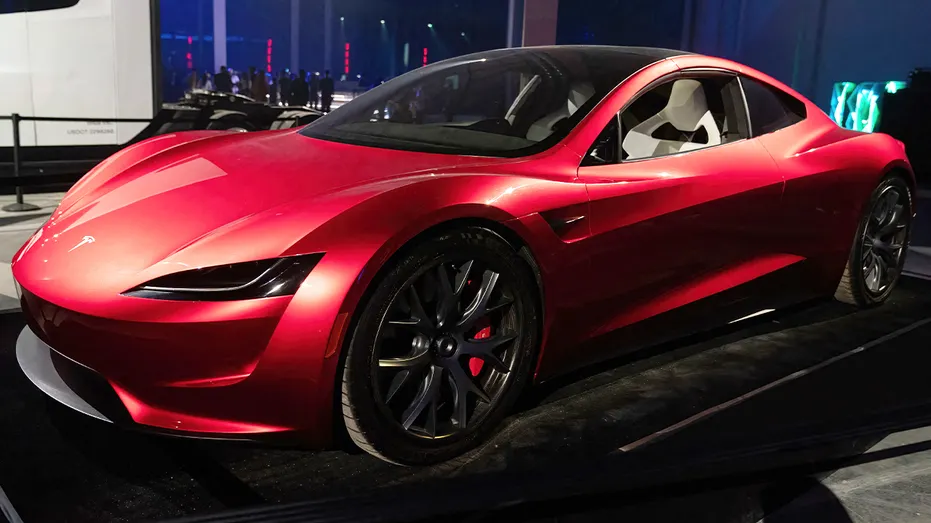
Tesla is reviving its original electric sports car nearly nine years after first teasing a successor, scheduling a live reveal Thursday night at a SpaceX rocket testing facility in McGregor, Texas. The event marks the end of a prolonged development cycle that began with a 2017 prototype debut and an initially promised 2020 delivery date.
The second-generation Roadster carries a $200,000 base price, unchanged since the prototype was shown, with buyers required to place a $50,000 reservation deposit. CEO Elon Musk has repeatedly characterized the vehicle as financially marginal for the automaker, calling it a “small potato situation” in 2023 that would not materially alter Tesla’s balance sheet. Morningstar analyst Seth Goldstein projects annual sales of roughly 2,000 units — a fraction of the 1.6 million vehicles Tesla delivered last year.
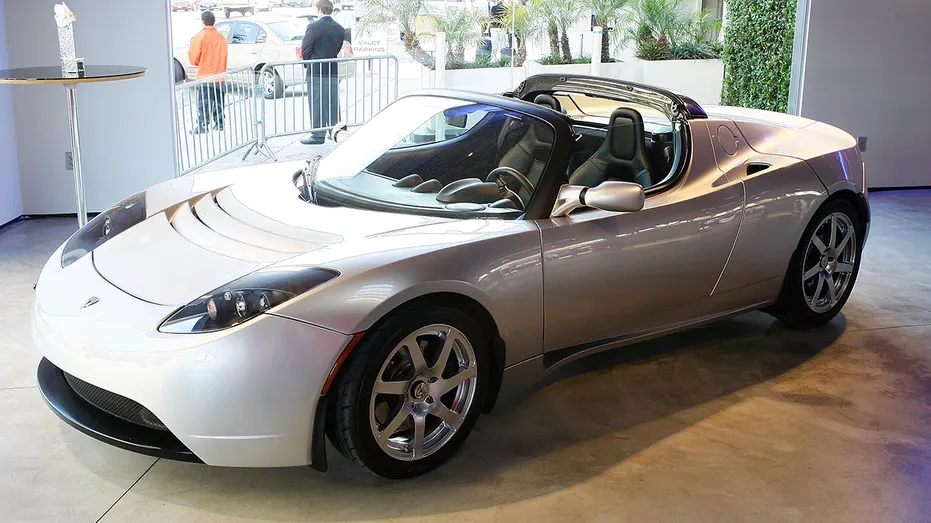
Despite the modest volume expectations, the Roadster functions as what the auto industry calls a halo car: a low-production flagship engineered to demonstrate peak capabilities and elevate brand prestige across an entire lineup. Tesla currently lacks a dedicated ultra-luxury performance model. The original Roadster, sold from 2008 to 2012 on a Lotus Elise chassis, served this exact purpose during the company’s startup phase, proving battery-electric powertrains could deliver supercar acceleration before the Model S sedan entered production.


Musk indicated in a 2024 post on X that the vehicle underwent a complete redesign from the 2017 specifications. He claimed the updated version will accelerate from zero to 60 mph in under one second — a figure that defies conventional tire physics and suggests the integration of cold-gas thrusters or similar aerospace technology. Musk described the project as a direct collaboration between Tesla and SpaceX, his rocket manufacturing company, calling the acceleration metric the “least interesting part” of the engineering package. When originally previewed in 2017, the four-seat configuration targeted a 620-mile range per charge.
The sports car’s return arrives during a fundamental restructuring of Tesla’s manufacturing priorities. The company has pivoted aggressively toward artificial intelligence, autonomous driving systems, and robotics, treating traditional vehicle assembly as secondary to software and hardware integration. Tesla halted production of its Model S sedan and Model X SUV to retool factory floor space for the Optimus humanoid robot program. It also introduced the Cybercab, a two-seat autonomous ride-hailing vehicle built without a steering wheel, brake pedals, or side mirrors.
This transition reflects broader pressure on legacy EV manufacturers to justify valuations through AI and automation rather than unit sales alone. While competitors like Porsche and Rimac have pushed electric hypercar boundaries with models such as the Taycan Turbo GT and Nevera, Tesla’s approach merges automotive engineering with aerospace propulsion, blurring the line between a road-legal vehicle and experimental hardware.
Concurrently, Tesla and SpaceX are advancing plans for a joint artificial intelligence chip manufacturing plant in Texas, which the companies have described as the world’s largest building by footprint. The facility underscores how deeply intertwined Tesla’s automotive ambitions have become with its compute infrastructure requirements.
Thursday’s presentation begins at 8:55 p.m. ET. Tesla shares closed down 2.15% at $367.16 ahead of the event.









