Vance Warns After Federal Raid on Ilhan Omar’s Home
The operation against the Minnesota Democrat coincides with escalating U.S. warnings to Iran and shifting midterm campaign dynamics.
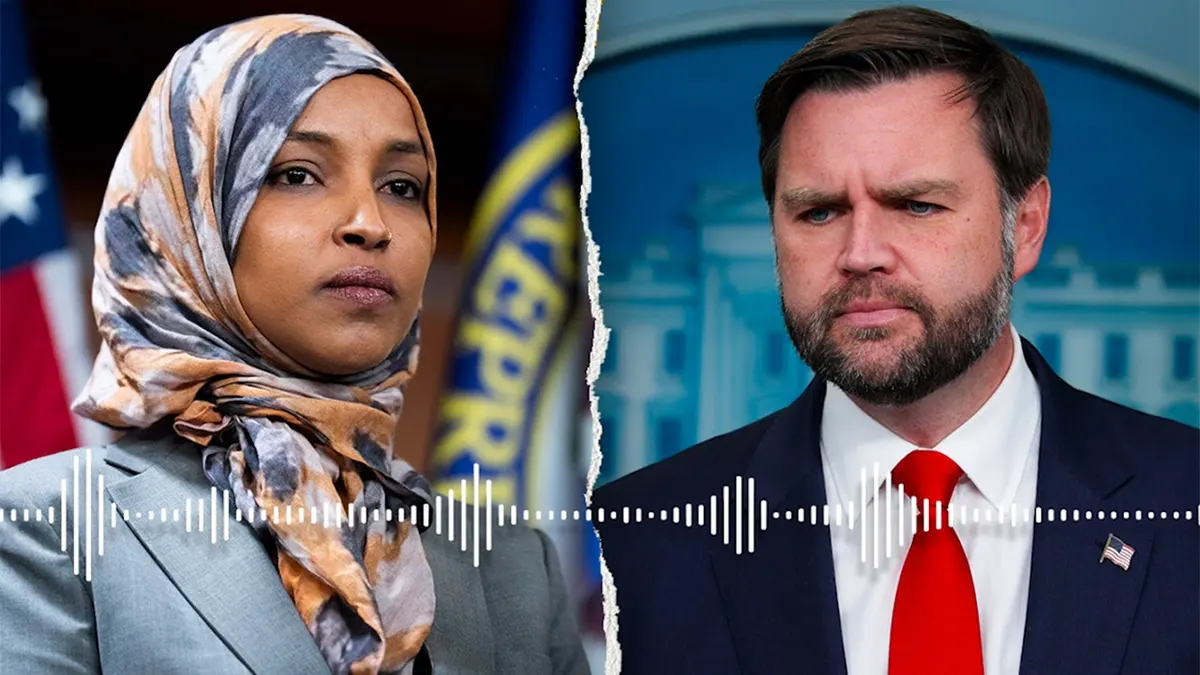
A federal raid on the residence of Rep. Ilhan Omar, D-Minn., has triggered a sharp warning from Vice President JD Vance, intensifying a confrontation between the Trump administration and progressive lawmakers weeks before the midterm elections.
Vance issued what he described as a pointed warning following the operation, signaling that the administration intends to maintain aggressive enforcement actions against political figures it accuses of misconduct. The Department of Homeland Security and federal law enforcement agencies have increasingly targeted elected officials in recent months under expanded investigative authorities, a strategy that has drawn legal challenges and accusations of political retribution from Democratic leaders.
Omar, who represents Minnesota’s 5th Congressional District, has been a frequent target of Republican criticism since her election in 2018. Previous allegations surrounding campaign finance disclosures and immigration status claims have been investigated without resulting in criminal charges. The specific warrant authorizing the latest search has not been made public, and Omar’s office has not released a detailed response beyond condemning the action as intimidation.

The timing of the raid intersects with broader national security escalations dominating the current news cycle. President Donald Trump indicated that U.S. patience with Iran has run out, a statement that aligns with recent military posturing in the Middle East. Senior Army leadership has publicly downplayed concerns that a potential conflict with Tehran would compromise American defensive capabilities against China in the Indo-Pacific, though defense analysts note that diverting naval assets to the Persian Gulf historically strains Pacific readiness.
Domestically, the administration continues to deploy executive clemency as a political tool. Trump signed pardons for Alaska diesel mechanics during a live campaign rally, an unusual venue for granting executive forgiveness that underscores the administration’s effort to tie presidential powers directly to electoral messaging ahead of November voting.
Republican operatives in historically critical battleground counties report high enthusiasm in the final stretch of the midterm campaigns. Senate Minority Leader Chuck Schumer, D-N.Y., warned this week that a growing financial advantage for Republicans could fundamentally alter the battle for Senate control. Campaign finance filings through September show GOP-aligned super PACs outraising their Democratic counterparts in several key Senate races, a disparity that allows for sustained late-cycle television and digital advertising buys.
On the defense industrial front, the Pentagon is accelerating mass production of a weapons system that has never been fired in combat. The push reflects a broader shift in military procurement philosophy, prioritizing rapid manufacturing scale over exhaustive battlefield testing for next-generation munitions designed to counter drone swarms and hypersonic threats.
Beyond Washington, local policy shifts are generating friction. New York City Mayor Zohran Mamdani is moving to dismantle the city’s horse-drawn carriage industry in Central Park, fulfilling a long-standing campaign promise that pits animal welfare advocates against unionized drivers and tourism operators.
Meanwhile, the State Department issued a new travel advisory warning Americans about arbitrary arrests and exit bans in a previously popular international destination, reflecting a deteriorating diplomatic relationship that restricts consular access for detained U.S. citizens.
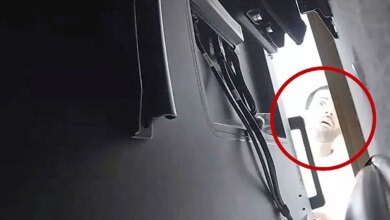
Federal investigators are also examining a security breach at OpenAI after a secret recording device was discovered inside the artificial intelligence company’s facilities. The incident has prompted internal reviews of physical security protocols across major technology firms operating in the San Francisco Bay Area, where corporate espionage concerns have escalated alongside the commercial value of proprietary AI models.