Hospice Wedding: Katerina Lavuova Marries Partner After Heart Failure
Staff at a West Yorkshire palliative care facility transformed a clinical room into a wedding venue in hours after a 42-year-old patient's cardiac admission.
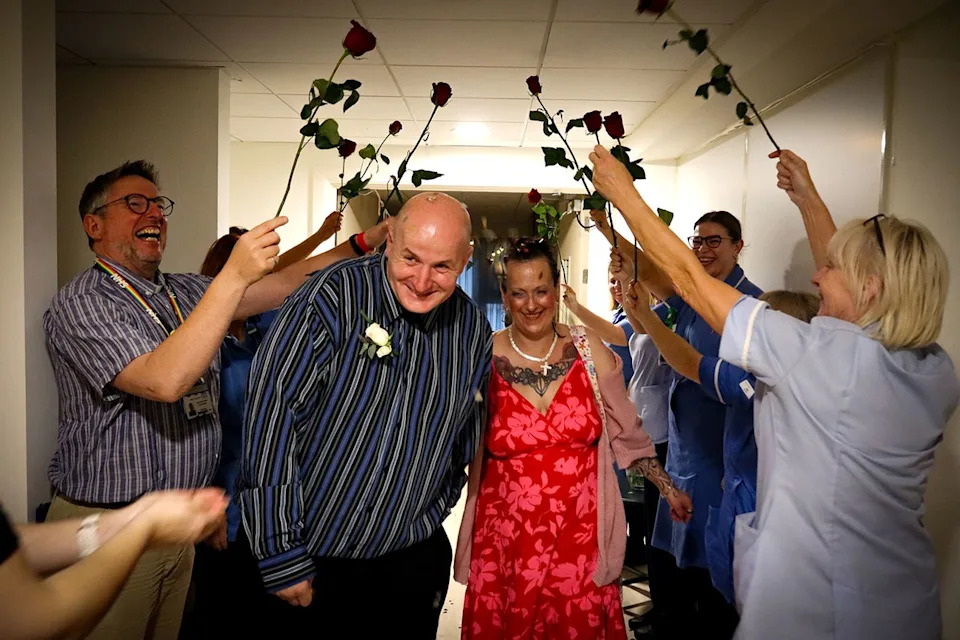
Katerina Lavuova, 42, married her partner of 12 years, Stanley Srvcek, inside a clinical room at Wakefield Hospice in West Yorkshire, England, just seven days after being admitted for heart failure.
The couple had not previously formalized their relationship. When Lavuova’s cardiac condition deteriorated rapidly enough to require hospice-level care, they opted to marry immediately rather than wait for an uncertain recovery timeline. The decision reflects a growing pattern across palliative care networks where patients facing terminal or severe diagnoses expedite long-delayed life milestones with the help of medical staff.
Organizing a legally recognized wedding inside a British hospice requires navigating specific logistical and regulatory hurdles. Under English law, couples must typically give at least 28 days’ notice to a local register office before marrying. However, the General Register Office issues special licenses for individuals who are terminally ill or housebound, allowing ceremonies to proceed on short notice in non-traditional venues, including hospital wards and hospices. A registrar or authorized person must be present to make the union legally binding.

Wakefield Hospice staff executed the preparations within hours, sourcing food, drinks, flowers, and appropriate clothing. They converted one of the facility’s rooms into a venue, decorating the hallway with paper bag lanterns and fairy lights. Photographs released by the organization show the couple walking hand-in-hand down the corridor while family, friends, and medical personnel lined the route, showering them with roses.

Lavuova’s 10-year-old son, Peter, attended the ceremony alongside the couple’s closest relatives. Local coverage by the Wakefield Express noted the child remained by his mother’s side throughout the proceedings.
Palliative care organizations increasingly prioritize what clinicians term “holistic support,” addressing emotional, social, and psychological needs alongside physical symptom management. Facilities such as Wakefield Hospice routinely train staff to facilitate final wishes, ranging from arranging visits from therapy animals to coordinating complex family events. These interventions are designed to provide agency and comfort to patients whose medical options have narrowed.
“I have learned that people don’t just come here to die, they can come here to have happiness,” Lavuova said following the ceremony. She described the care team as “real-life angels” who made her feel like family, adding that despite the circumstances, marrying Srvcek felt like “the right thing to do.”

Heart failure, which precipitated Lavuova’s admission, occurs when the heart muscle cannot pump blood efficiently enough to meet the body’s demands. Advanced stages frequently necessitate specialized palliative care focused on managing breathlessness, fatigue, and fluid retention rather than curative treatment. According to the British Heart Foundation, hundreds of thousands of people in the U.K. live with the condition, and late-stage admissions to hospice settings have risen as medical systems integrate end-of-life cardiac care more deeply into palliative frameworks.
Following the event, Wakefield Hospice commemorated the ceremony on its official Facebook page. Lavuova responded directly in the comments section, calling it “magically beautiful” and expressing gratitude to the staff who organized the day.