Pumpkin Recipes Beyond Pie: Savory Dinners, Cocktails and Baking
From carbonara and Thai coconut curry to reposado margaritas, winter squash is reshaping autumn cooking far beyond the traditional Thanksgiving dessert.
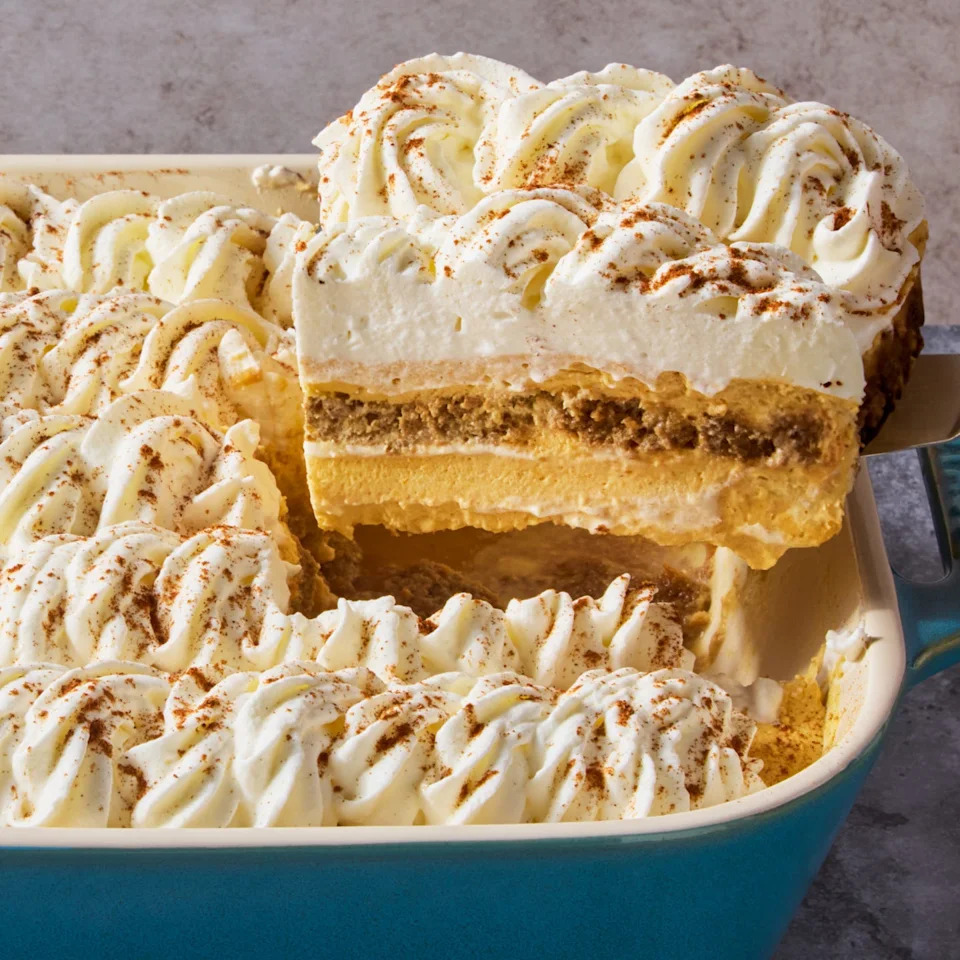
Sugar pumpkins and kabocha squash are driving a fundamental shift in how American kitchens approach autumn cooking. Long confined to Thanksgiving dessert tables and flavored coffee syrups, pumpkin has emerged as a versatile culinary foundation capable of anchoring complex savory dinners, craft cocktails, and intricate baked goods.
The transition from sweet novelty to serious ingredient is most visible in pasta dishes. Traditional Italian-American staples are being reimagined with pumpkin puree acting as a thickening agent and flavor base. Carbonara recipes now frequently swap heavy cream for pumpkin-bacon combinations, while penne vodka sauces incorporate the gourd alongside fresh sage. Pumpkin lasagna layers the puree beneath fontina and mozzarella cheeses, seasoned with nutmeg rather than the cinnamon-heavy spice blends typically associated with fall baking. Gnocchi and tortellini soups use the earthy sweetness of winter squash to balance rich dairy and cured meats like Italian sausage.
This savory pivot relies on understanding the botanical differences between carving pumpkins and culinary varieties. Sugar pumpkins, also known as pie pumpkins, possess denser flesh and significantly lower water content than the large Cucurbita pepo varieties bred for jack-o’-lanterns. Kabocha squash, a Japanese cultivar of Cucurbita maxima, offers an even sweeter, starchier profile that mimics roasted chestnuts when cooked. Calabaza and butternut squashes serve as reliable substitutes when specific pumpkin varieties are unavailable at local markets.


Beverage culture reflects this same maturation. The pumpkin spice latte, which Starbucks introduced nationally in 2003 and effectively commercialized into a multi-billion dollar seasonal industry, no longer defines the category. Home preparation requires only brewed coffee, milk, pumpkin puree, and standard baking spices, eliminating the need for commercial syrup pumps. Mixologists have pushed further into spirits, pairing reposado tequila—which carries natural vanilla and brown sugar notes from oak aging—with pumpkin pie filling and lime juice for autumnal margaritas. Whiskey-based spiked chai lattes blend steeped black tea, maple syrup, and pumpkin puree into warming evening drinks.
Baking applications have fractured into highly specialized formats beyond the standard loaf. Whoopie pies, a Pennsylvania Dutch tradition historically made with chocolate and marshmallow, now feature pumpkin cake shells. French toast poppers utilize Hawaiian rolls soaked in pumpkin custard, coated in panko breadcrumbs, and fried. Empanadas encase spiced pumpkin fillings in flaky dough, offering a portable alternative to traditional pie slices. Mini crème brûlée pumpkin pies merge the custard texture of French dessert technique with classic American holiday flavors, finished with a torched sugar crust.
One-pan meals demonstrate the ingredient’s utility for weeknight efficiency. Chicken breasts braised in garlicky pumpkin cream sauce require minimal cleanup while delivering restaurant-level richness. Creamy pumpkin beans and greens transform legumes into a cohesive dinner when paired with toasted bread. Thai-inspired coconut curries roast the pumpkin first to develop caramelization before blending portions directly into the simmering liquid, layering raw and cooked flavor profiles.
The cultural phenomenon traces back centuries. Indigenous peoples of the Americas cultivated squash as one of the “Three Sisters” alongside corn and beans long before European contact. Colonial settlers adopted the gourd out of necessity, initially roasting it whole or brewing it into beer. The modern obsession, however, is distinctly 21st-century. Food manufacturers began adding pumpkin flavoring to everything from yogurt to potato chips in the early 2010s, though consumer trends have recently shifted away from artificial extracts toward authentic puree preparations.
U.S. pumpkin production remains heavily concentrated. Illinois consistently leads the nation, harvesting over 600 million pounds annually, primarily for processing into canned puree rather than ornamental use. California, Indiana, Texas, and Michigan round out the top producing states. The USDA reports that fresh market pumpkin prices typically peak in October before stabilizing through November, aligning with both Halloween demand and Thanksgiving meal planning.
For cooks navigating the season, selecting the right product matters. canned pumpkin puree contains only cooked, mashed squash, whereas canned pumpkin pie filling includes pre-mixed sugars, thickeners, and spices. Substituting one for the other without adjusting a recipe’s dry-to-wet ratio or sweetness level frequently results in failed bakes or overly sugary savory dishes.
As mid-October progresses, wholesale shipments of processed pumpkin puree have already reached peak distribution across U.S. grocery chains, ensuring retail availability through late November for both commercial bakeries and home kitchens preparing holiday menus.