

Trump Targets Red States to Boost Midterm GOP Turnout
Soaring diesel prices and a tight Texas Senate race force the White House to abandon battleground campaigning in favor of energizing deep-red strongholds.
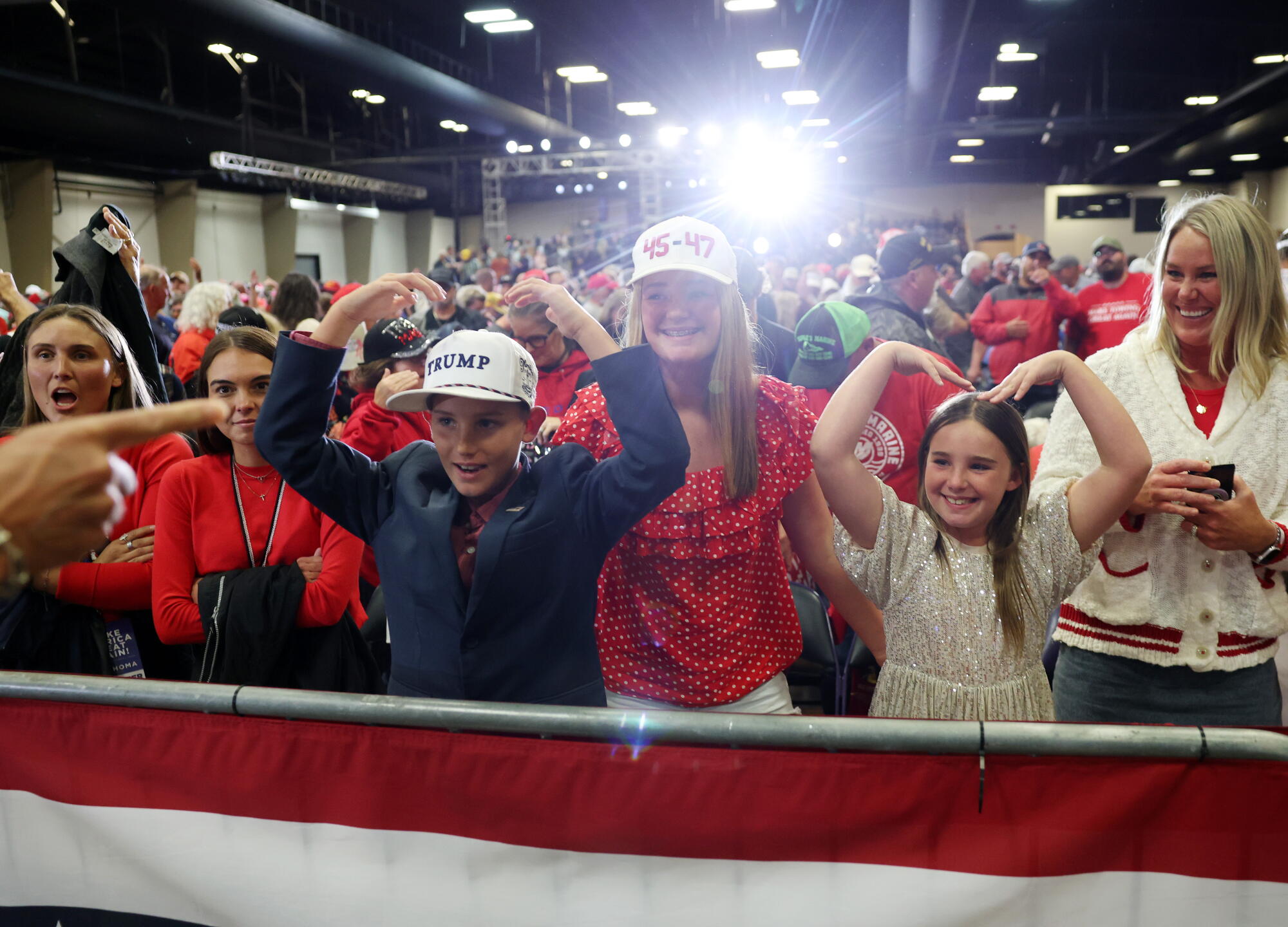
President Trump is bypassing competitive congressional districts in the final weeks before the Nov. 3 midterm elections, redirecting his campaign travel to deep-red states where Republican leaders fear a collapse in base turnout could cost them control of Congress.
Rather than defending vulnerable incumbents in swing districts — the traditional playbook for a sitting president during midterms — Trump has staged rallies in Oklahoma, Texas and Alabama. The strategy reflects an acknowledgment inside the White House that the president’s declining approval ratings have made him a liability in purple districts, even as Senate Majority Leader John Thune publicly urged him to mobilize voters who only show up when Trump is on the ballot.
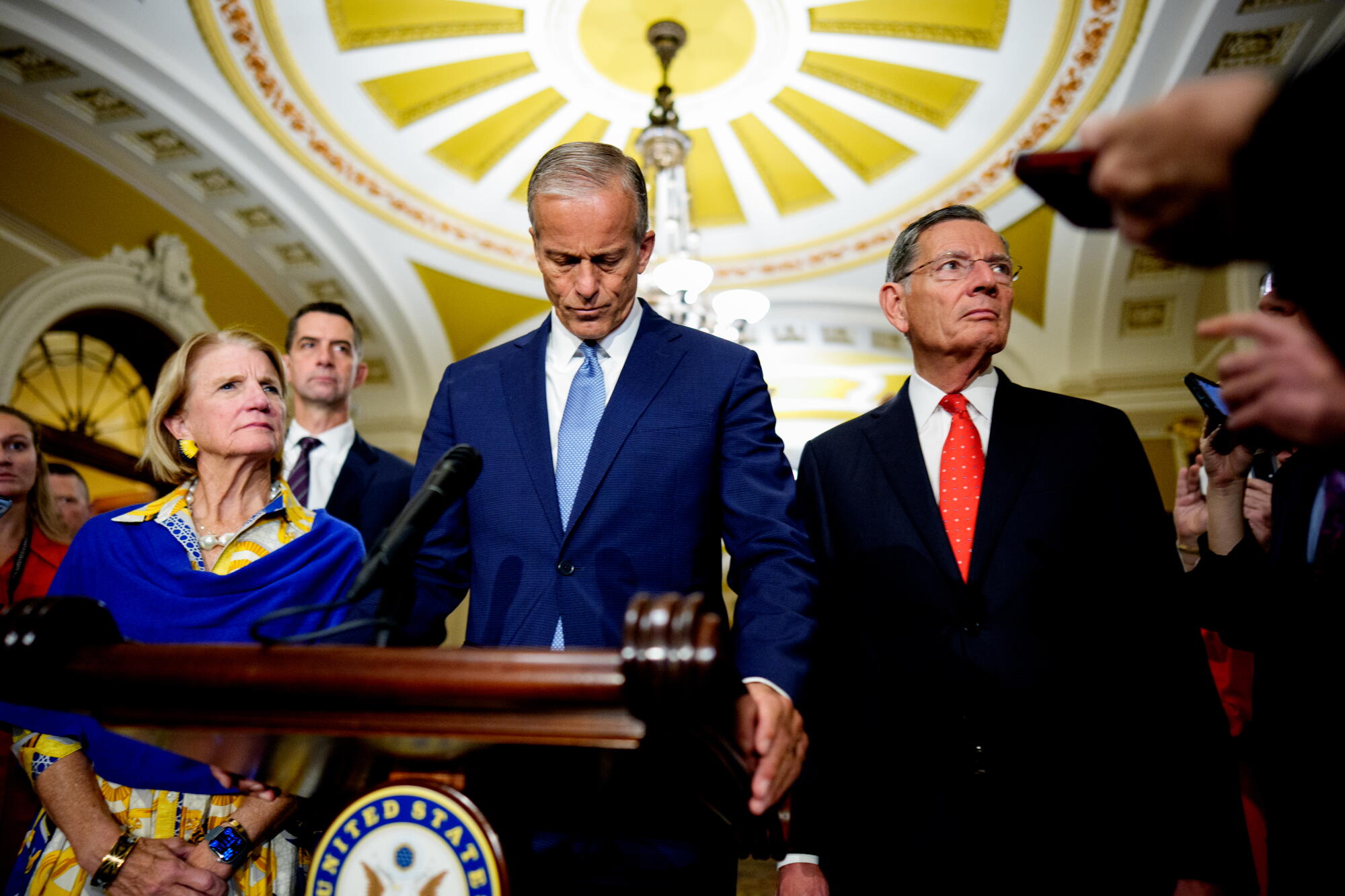


The pivot away from battlegrounds marks a sharp reversal from commitments Trump made just last month. During a Rose Garden dinner with Republican lawmakers, he pledged to campaign in the country’s 35 most competitive House districts. That plan unraveled as internal polling showed his presence actively alienating moderate suburban voters needed to hold those seats.
Now, the administration is relying on geographic proximity to influence tight races without physically entering them. A rally in Durant, Okla., was selected specifically because of its location near the Texas border, intended to generate media coverage that bleeds into North Texas markets. A similar logic drove a Friday appearance in Mobile, Ala., positioned to reach voters in Florida’s Panhandle.
Texas remains the most glaring flashpoint. Republican Senate candidate Ken Paxton is locked in a surprisingly tight race against Democrat James Talarico. According to a recording obtained by the New York Times, Paxton privately complained that Trump’s recent GOP convention in Dallas damaged his campaign. Trump responded by urging supporters to vote for Paxton “whether you love him or not,” while conceding the candidate “can be a pain in the ass.” He warned Texas crowds that losing the seat to Talarico would be a “horror.”
Paxton is also running alongside Oklahoma’s Kevin Hern, whom Trump endorsed during the Durant event. Trump told the crowd they must treat the midterms as if his name were on the ballot, framing the outcome as existential for his “America First” agenda.
This reliance on personal loyalty exposes a structural vulnerability for the GOP. Many attendees at these rallies admit they know little about down-ballot candidates. Some rely entirely on Trump’s stage appearances or artificial intelligence tools to determine who to support. This dynamic forces the party to depend on sporadic, personality-driven voters rather than consistent participants, a demographic that historically stays home during non-presidential election years.
Compounding the challenge is a seven-month war with Iran that has severely disrupted global energy markets. Diesel prices reached a record $6.52 per gallon on Sept. 22, settling at a national average of $6.37 by Friday, according to AAA. The spike has agitated the commercial trucking industry and rural commuters who form a critical segment of Trump’s coalition. Even lifelong supporters now cite fuel costs as their primary grievance.
To blunt the political damage before Election Day, Trump announced Friday that the world’s wealthiest industrial nations agreed to release 100 million barrels of diesel and refined fuel products from their strategic stockpiles over the coming weeks. The coordinated drawdown from emergency reserves, typically managed through the International Energy Agency, is designed to flood the market and suppress pump prices ahead of voting. The administration plans to make this release a central talking point at remaining campaign stops.
Democrats are aggressively targeting another fracture line: Latino voters in South Texas who shifted toward Trump in 2024 but have since soured on his immigration enforcement tactics and economic management. Heavy Democratic investments in border-adjacent counties aim to recapture those voters. Trump dismissed polling showing erosion among Hispanic demographics, stating, “We have to do what we have to do,” and rejected the premise that his unpopularity drags down other Republicans, insisting “everybody that has me wins.”
Despite that public confidence, Trump acknowledged in recent days that Republicans are “worried” about several contests, specifically naming Michigan and Texas. His own messaging has shifted toward admitting the campaign struggles to communicate its achievements, telling rally crowds the administration is doing a “tremendous” job with the economy but “an extremely poor job at promotion.”
The success of the red-state strategy hinges entirely on whether peripheral voters can be converted into reliable midterm participants. For many in the crowds, the decision to cast a ballot remains unresolved. Sylvia Sigler, a 66-year-old school cafeteria worker who attended the Durant rally, said she had not voted in a federal election since 2016. When asked what might motivate her to participate this November, she cited the economy but admitted she did not know who was running.
The coordinated international release of 100 million barrels of fuel, confirmed by the White House on Friday, stands as the administration’s latest attempt to alter the economic math for voters like Sigler before the polls open.









