

FDA Closes Cyclospora Outbreak Probe Tied to Taylor Farms Lettuce
Environmental samples from a Mexican farm ditch and processing wastewater confirmed the parasite's presence after 12,800 U.S. infections.
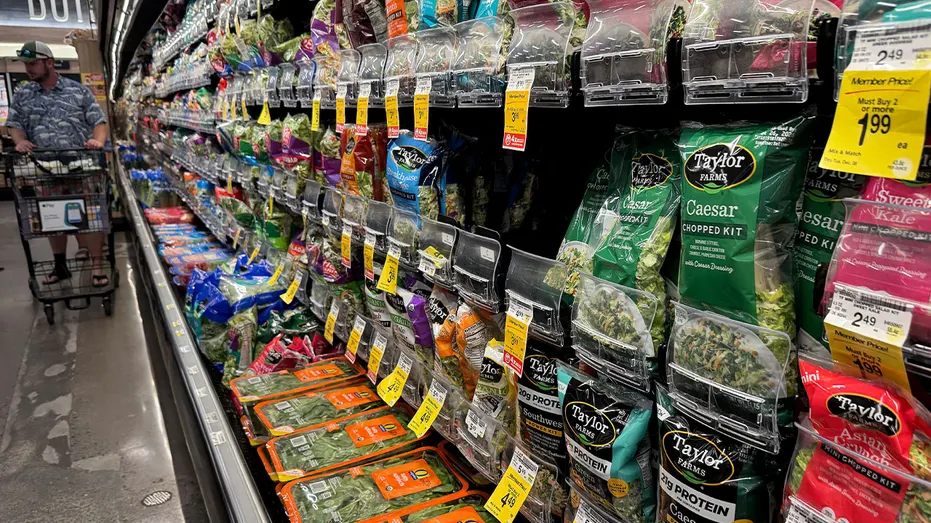
Federal investigators have formally closed the book on one of the most severe foodborne illness events in modern U.S. history, confirming that contaminated iceberg lettuce processed by Taylor Farms de Mexico drove a cyclosporiasis outbreak responsible for more than 12,800 infections across 21 states.
The Food and Drug Administration announced Friday that its traceback investigation yielded strong epidemiological and environmental evidence linking the parasite to shredded lettuce distributed by parent company Taylor Fresh Foods. While the agency could not pinpoint the exact mechanism of contamination, two environmental samples tested positive for Cyclospora during onsite inspections in Mexico.
One positive sample was drawn from a drainage ditch at an independent iceberg lettuce farm. The second was collected from a tank holding outgoing wastewater outside the company’s processing facility.

Taylor Fresh Foods moved to distance itself from the agricultural source of the contamination following the FDA’s report. A spokesperson told Reuters that the independent grower where the ditch sample was found has been permanently removed from the company’s supplier program. The spokesperson also emphasized that the wastewater sample originated from discharged sewer water outside the processing plant and noted the agency’s own caveat regarding the lack of conclusive evidence tying the specific environmental samples to the clinical genotyping of patient specimens.
The sheer scale of the outbreak placed immense strain on public health infrastructure. Hundreds of patients required hospitalization, and Michigan health officials confirmed two related deaths among individuals with significant underlying health conditions. The Centers for Disease Control and Prevention officially declared the outbreak over on Sept. 11.
Cyclospora cayetanensis, the single-celled parasite responsible for the illnesses, thrives in tropical and subtropical environments. Unlike bacterial pathogens such as E. coli or Salmonella, Cyclospora oocysts require days to weeks outside a host in warm, moist conditions to become infectious. This biological trait makes imported fresh produce from regions with inadequate water sanitation particularly vulnerable. The parasite triggers cyclosporiasis, an intestinal infection characterized by prolonged watery diarrhea, stomach cramps, nausea, fatigue, and weight loss, though some carriers never develop symptoms.
U.S. reliance on Mexican leafy greens, particularly during domestic off-seasons, creates recurring exposure risks. Under the FDA’s Food Safety Modernization Act, foreign suppliers must meet U.S. safety standards through the Foreign Supplier Verification Program. However, auditing thousands of independent farms and shared water systems across international borders remains a persistent regulatory challenge. Cyclospora outbreaks linked to imported produce have surged repeatedly over the past decade, frequently involving fresh herbs, berries, and salad mixes sourced from Central America and Mexico.
The July recall triggered immediate market disruptions. Taylor Farms voluntarily pulled all central Mexico-sourced iceberg lettuce from U.S. shelves, creating supply gaps for major grocery chains and food service operators. Industry executives, including Marzetti Company President and CEO Dave Ciesinski, have publicly addressed how the crisis compounded existing inflationary pressures on the packaged salad and dressing sector, forcing retailers to navigate sudden inventory shortages while managing consumer anxiety over fresh produce safety.
The FDA stated it is confident all recalled iceberg lettuce associated with the outbreak has been cleared from the U.S. market.









