Ben Affleck Calls AI Fears Propaganda Amid Hollywood Job Losses
Filmmaker backs AI tools while warning of student dependency and industry contraction
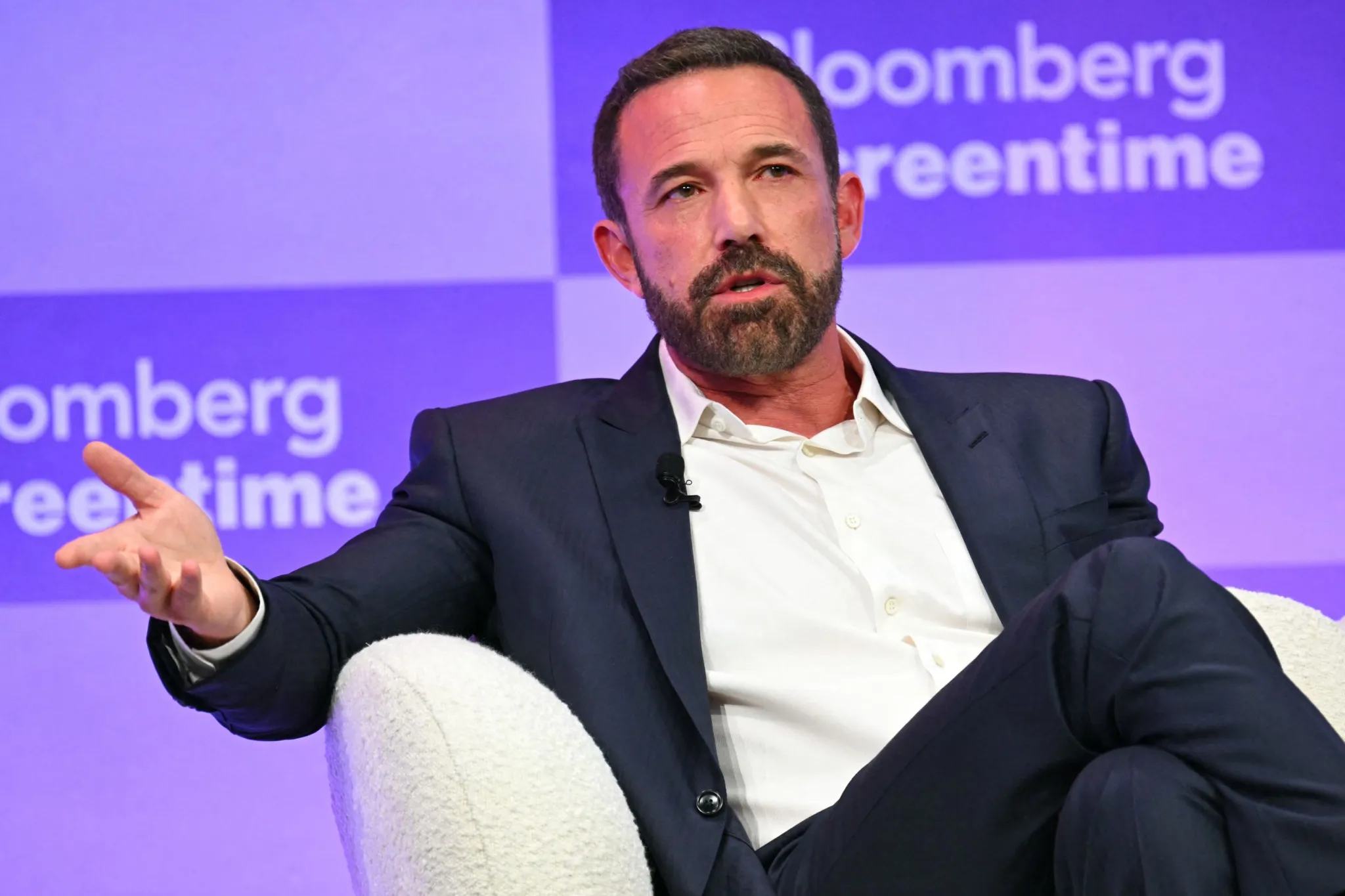
Ben Affleck is challenging the prevailing narrative that artificial intelligence poses an existential threat to creative industries, characterizing widespread alarm as “propaganda” that dissolves upon practical engagement. The actor and filmmaker argues that once users move past abstract fears of mass unemployment or human obsolescence, they encounter a technological advancement comparable to previous shifts in computing rather than an alien force.
This endorsement comes from a figure with significant financial stakes in the sector. Affleck founded InterPositive, an AI-focused filmmaking startup, in 2022. Netflix reportedly acquired the company for $587 million earlier this year, signaling major studio confidence in AI-integrated production workflows. Despite this investment, Affleck remains guarded about specific applications in his current projects, including the film “Animals,” citing the need to preserve cinematic illusion much like a magician protects trade secrets.
The optimism contrasts sharply with federal employment data. While Affleck contends that AI augments rather than replaces crews and can even increase technical headcount on set, the broader motion picture and video production industry has contracted significantly. Bureau of Labor Statistics figures show the sector shed 49,000 jobs between 2016 and 2026, a 21% decline that suggests structural displacement is already underway regardless of individual production experiences.


Affleck’s concerns are currently focused less on industry automation and more on cognitive development in younger generations. He points to a 30% rise in college A grades over the last three years as evidence of potential academic erosion and “learned helplessness” among students relying on generative tools. This distinction separates his support for professional AI utility from his apprehension regarding educational dependency and responsible use among Gen Z and Gen Alpha.
Other prominent Hollywood figures are similarly navigating the tension between adoption and protection. James Cameron joined the board of Stability AI in 2024, leveraging his background in technology-driven filmmaking to influence development directly. Natasha Lyonne co-founded Asteria Film Co. to create copyright-compliant generative models, arguing that artists must shape AI governance to prevent exploitation under the guise of technological acceleration.
Matthew McConaughey has taken a defensive legal approach alongside his public advocacy for adaptation. He has filed multiple trademarks covering his likeness and signature expressions to establish intellectual property boundaries against unauthorized synthetic replication. His stance reflects a growing industry consensus that resisting the technology is futile, but securing individual rights within the new ecosystem remains an unresolved legal and ethical challenge.