In-N-Out Forces High School Football Team to Delete Viral Photos Despite Local Manager Approval
Legal experts question PR cost of enforcing brand rules against non-commercial student content
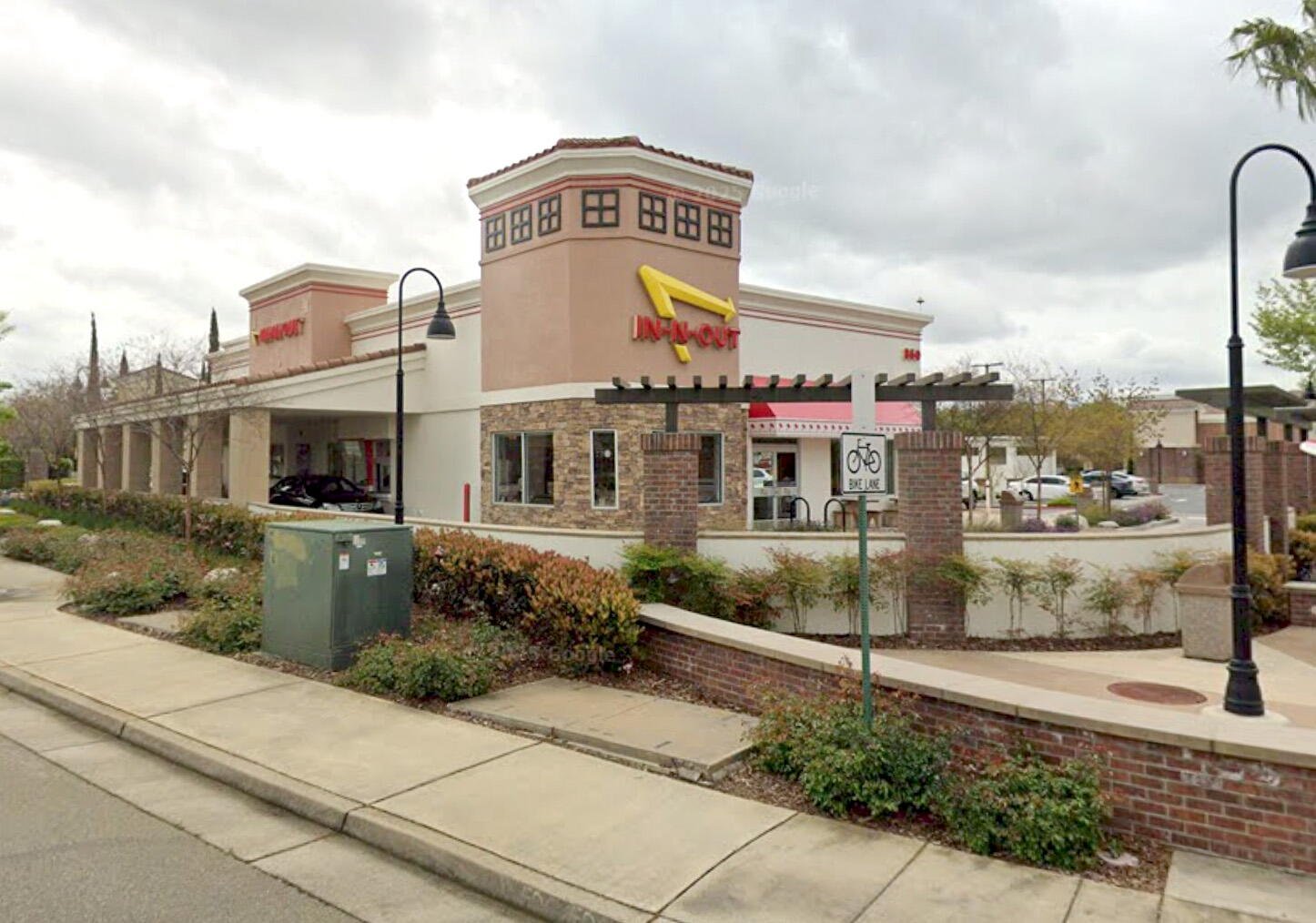
Lincoln High School’s football team deleted a viral Instagram photo series taken at a local In-N-Out Burger after the chain’s corporate office issued a trademark enforcement demand, overriding permission previously granted by the restaurant’s on-site manager. The images, which showed players in uniform posing behind the counter and drive-thru window, had accumulated nearly one million views before being removed last week.
The incident highlights the rigid centralized approval protocols at In-N-Out, where individual store managers lack authority to authorize commercial or promotional photography regardless of community intent. Photographer Glenn Silva, hired by the team’s booster club, stated he secured explicit verbal consent from the Lincoln location manager and was even allowed entry an hour before opening to conduct the shoot. Corporate representatives later informed him that only express written consent from the headquarters is valid for any content creation involving proprietary elements.
Legal experts suggest the takedown demand was driven more by long-term brand defense strategy than immediate legal necessity. Mark McKenna, co-director of the UCLA Institute for Technology Law and Policy, noted that a high school team’s non-commercial social media post would likely not constitute trademark infringement or imply sponsorship in court. However, companies like In-N-Out routinely enforce their marks aggressively to prevent dilution. Vincent Joralemon, a senior fellow at UC Berkeley School of Law, explained that failing to police minor uses can weaken a brand’s position in future litigation against actual commercial infringers.


This enforcement action aligns with decades of protective measures by the Irvine-based chain. In-N-Out has previously sued Puma over sneaker designs resembling employee uniforms, taken legal action against restaurants using similar color schemes or menu terminology like “Animal Style,” and issued cease-and-desist letters to bars mimicking its branding. The company maintains that consistent enforcement is necessary to preserve the distinctiveness of its trade dress and intellectual property.
Despite the legal rationale, the decision carried public relations risks. The photos were intended as a personal memento for players and families, inspired by a broader social media trend of teams hosting creative media days at local businesses. Team mom Chelsey Vanderschrier said the location was chosen because it serves as a traditional post-game celebration spot for the athletes. Silva attempted to negotiate a retroactive exception or modified captions to preserve the content, but corporate counsel declined the request on Sept. 24, requiring confirmation of deletion.
The Western Placer Unified School District and In-N-Out corporate did not provide further comment on the matter. While the team complied immediately to avoid escalation, the removal erased content that had resonated widely beyond the local community. Joralemon observed that while strict policing protects trademarks legally, applying such standards to high school traditions may generate negative sentiment that outweighs the marginal benefit to brand integrity.