How Blue Planet III Was Financed, Shot and Sold Before Its Premiere
Commissioned in 2022, pre-sold to seven countries before the trailer, and reaching BBC One on November 1 before BBC America and AMC+ on January 23, 2027: the enterprise behind the landmark series.
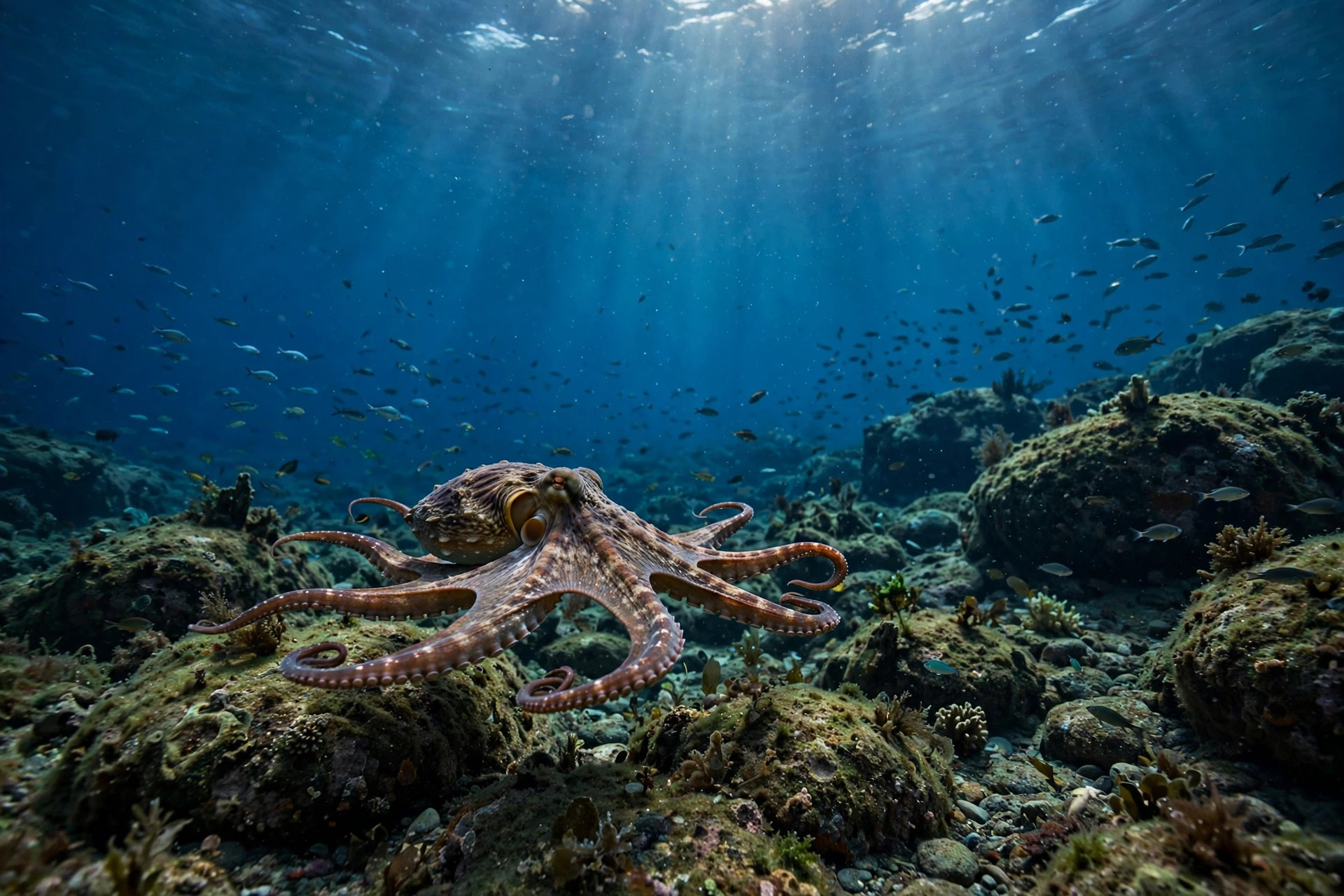
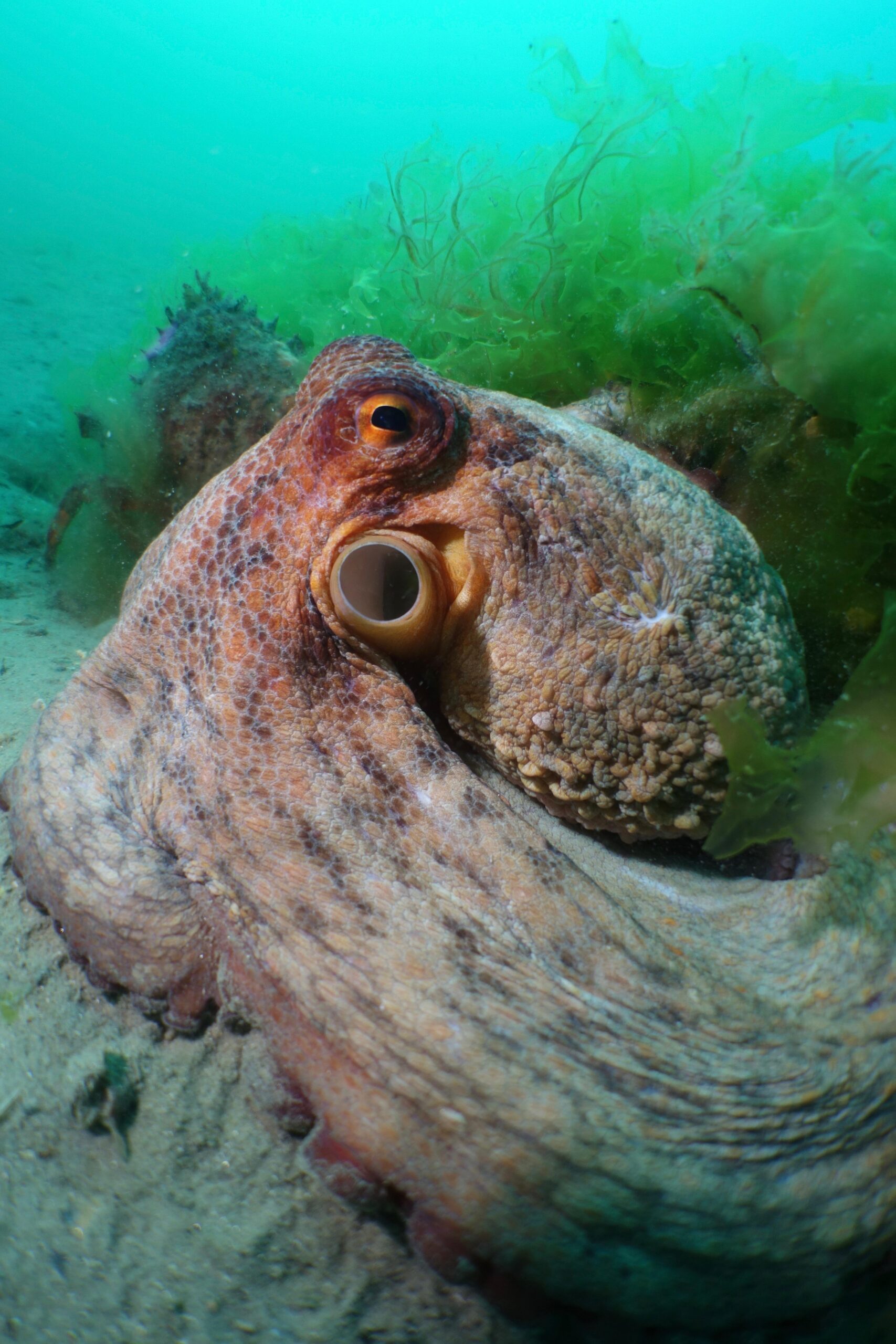
The BBC’s YouTube channel is carrying a title that works like a countdown this week: “This octopus needs water before it runs out of oxygen.” The clip’s own description keeps it plain. Every second counts, because the animal has been hunting on land and has to get back into the sea before its oxygen gives out. The footage is the calling card for Blue Planet III, which reaches BBC One and iPlayer on November 1 and American screens on January 23, 2027, on BBC America and AMC+.
BBC Studios has built a launch operation around the series. The octopus clip is one front of it: trailer footage has already played across the giant screens at Piccadilly Lights, the single “Into the Deep (Seas Cry)” came out on RCA Records on October 6, and a Dorling Kindersley tie-in book is on the way. The blogger Jason Kottke put it more plainly: “BBC Earth is returning to the ocean. 25 years after the first installment, the legendary naturalist, presenter, and centenarian David Attenborough narrates Blue Planet III.”
The footage took four years to shoot. The series was commissioned in 2022, and the production’s kit list is built for what the last generation couldn’t film: splash drones, long-term remote underwater cameras, and a bespoke “mini dome” rig constructed for behavior that had been impossible to capture. Shelton Du Preez was the cinematographer. Luis Lamar and Kjetil C. Astrup handled the underwater photography. On Blue Planet II, the crew stuck suction cameras to the backs of orcas and towed cameras past dolphins. The new rigs were built for the behavior that kit couldn’t follow. Six hour-long episodes came out of the shoot: five habitat episodes, “Tropical Seas,” “Open Ocean,” “Seasonal Seas,” “Polar Waters” and “The Deep,” plus a conservation finale, “Future Seas.”
The money moved first. By February 2026, broadcasters in seven countries had preordered the series: Nine in Australia, Globo in Brazil, Blue Ant Media and Radio-Canada in Canada, Shanghai Media Group’s Dragon TV in China, DR in Denmark, TVNZ in New Zealand and MovistarPlus+ in Spain. The co-production stack behind them is a BBC Studios Natural History Unit production with BBC America, ZDF and France Télévisions, in association with Skai Greece and in partnership with The Open University, and BBC Studios is handling global distribution itself. The preorder list was complete eight months before the trailer launched.
The credit block carries the series’ quietest change. For the first time, Attenborough is not credited as an executive producer. The credit goes to Elizabeth White, who has spent more than two decades at the Natural History Unit, with Lara Bickerton and James Brickell as series producers. Attenborough turned 100 in May. The BBC released footage that month of him recording the voiceover. In a recorded message at the launch he said, “Twenty-five years ago, when I narrated the first Blue Planet series it didn’t occur to me that I would be narrating a third series in my centennial year.” He said the ocean’s life had proved “more surprising, more sophisticated and even more important than we ever realised.”
Hans Zimmer wrote the score with Thom Lukas and Laurentia Editha for Bleeding Fingers Music, and he has called the Blue Planet franchise the most important work of his career. Jade Thirlwall, the former Little Mix singer, co-wrote the trailer song with Zimmer’s team. She calls herself a huge fan of the franchise and Attenborough “a true hero” of hers. The science writer Ed Yong set the bar this series inherits. He called Blue Planet II “the greatest nature series that the BBC has ever produced,” and wrote that “the Blue Planet II crew traveled to 39 countries to capture over 6,000 hours of footage. They stuck their cameras into coral crevices. They hung off speedboats to film dolphins rocketing behind them.” Blue Planet II became the most-watched programme of 2017 and is widely credited with accelerating Britain’s move against single-use plastics and lifting applications for marine biology courses.
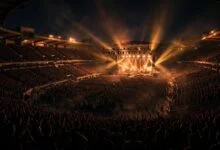
Elizabeth White will host the five UK dates of the arena tour, telling making-of stories between the music: Manchester’s AO Arena on May 21, Birmingham’s bp pulse LIVE on May 22, Glasgow’s OVO Hydro on May 23, and London’s OVO Arena Wembley on June 4, with a matinee on June 5. “Making Blue Planet III has taken us to places we never imagined we’d film,” White said. London tickets go on sale at 11am on Friday, October 23, from £49.55; the Manchester, Birmingham and Glasgow shows are already on sale from £40. The series’ score will be played live by the City of Prague Philharmonic Orchestra against a 200-square-metre Ultra HD LED screen, about the size of a tennis court.
The series was commissioned by Jack Bootle, the BBC’s head of commissioning for specialist factual. Tom Watt-Smith is the BBC’s commissioning editor for natural history, Matt Cotton the line producer and Dulcie Arnold the production executive.