Why Your Dog Waits Until You’re Home to Eat: Veterinarians Explain the Behavior
Experts break down the science behind this common canine habit and when to worry
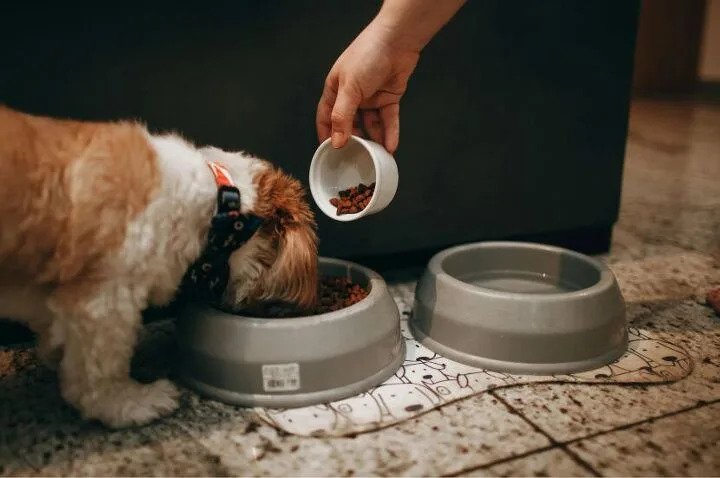
Dogs that refuse to touch their food until their owners return from work or school are displaying a common but often misunderstood behavior pattern, veterinarians and animal behaviorists say. While many pet owners worry their dog is sick or being stubborn, the explanation usually falls into several well-documented categories rooted in canine evolution and psychology.
“We see this frequently in clinical practice,” said Dr. Karen Overall, a veterinary behaviorist at the University of Pennsylvania School of Veterinary Medicine. “Owners often interpret it as pickiness or manipulation, but it’s typically a combination of social facilitation, learned routine, and sometimes an underlying medical issue that needs ruling out.”
The phenomenon known as social facilitation — where an animal’s behavior changes in the presence of others — is well-documented across species. For dogs, which evolved as scavengers living in human settlements, eating near their social group historically signaled safety. A dog eating alone in the wild risked predation or having its meal stolen by competitors. That evolutionary legacy persists even in modern living rooms.


But the behavior can also signal recent household changes. The loss of a companion animal, a shift in work schedules, or even subtle tension between household members can alter a dog’s feeding patterns. Veterinary behaviorists report an increase in such cases since the widespread return to office work following pandemic-era remote arrangements.
“When the household rhythm changes, dogs notice immediately,” said Dr. Carlo Siracusa, director of the Animal Behavior Service at Penn Vet. “A dog that previously ate at 7 a.m. because that’s when the family ate breakfast may simply wait for the new predictable cue — everyone home at 6 p.m. — before feeling secure enough to eat.”
Medical causes must be excluded before assuming the behavior is purely psychological. Dental disease, gastrointestinal discomfort, nausea from medications, and metabolic disorders like hypothyroidism can all suppress daytime appetite. A 2023 study in the Journal of Veterinary Internal Medicine found that 23% of dogs presented for “pickiness” had undiagnosed medical conditions affecting appetite.
Food preference also plays a role. Dogs are opportunistic eaters with a keen ability to learn patterns. If an owner occasionally adds chicken, broth, or treats to entice a reluctant eater, the dog quickly learns that waiting yields better results. This creates a reinforcement loop that can be difficult to break without structured feeding protocols.
Veterinarians recommend a systematic approach: rule out medical issues with a physical exam and basic bloodwork, establish consistent meal times with a 15-20 minute window for eating, remove uneaten food between meals, and avoid augmenting meals with toppers unless medically necessary. For dogs with genuine anxiety around eating alone, gradual desensitization — starting with the owner in the room, then moving progressively farther away — can rebuild confidence.
The American Veterinary Medical Association emphasizes that any sudden change in eating habits lasting more than 48 hours warrants veterinary evaluation, particularly in puppies, seniors, or dogs with known health conditions. Weight loss, vomiting, diarrhea, lethargy, or changes in water consumption alongside altered feeding patterns should prompt immediate consultation.
For the majority of otherwise healthy dogs, waiting for the family to return before eating is a benign variation of normal behavior — a reminder that despite thousands of years of domestication, dogs remain profoundly social animals whose sense of security is tied to their human pack.